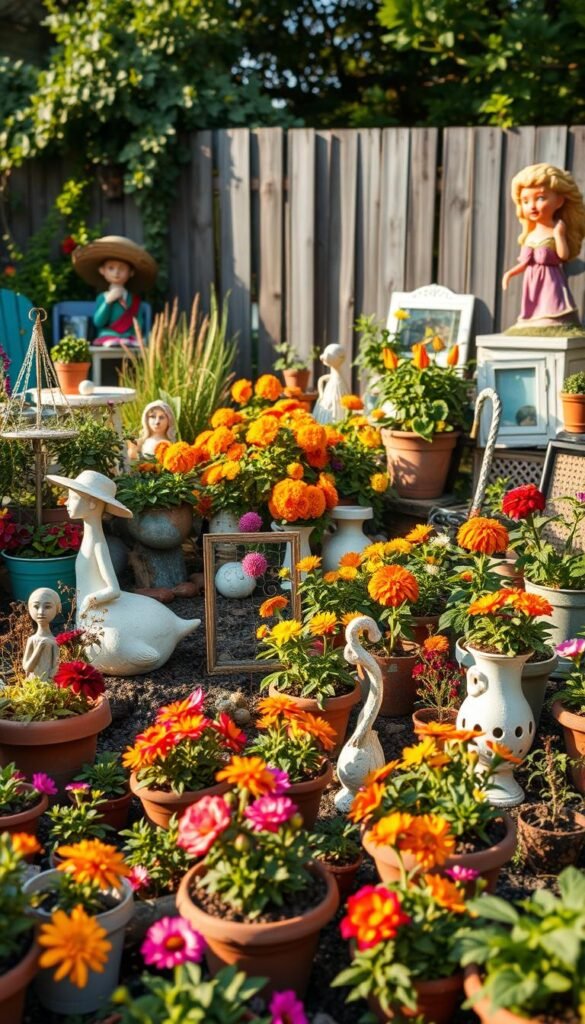
Transforming your outdoor space doesn’t require endless funds or professional help. With a little creativity, you can refresh tired areas and make your yard feel like a true extension of your personality. Simple updates, like repainting a weathered fence or planting vibrant annuals from seed, offer instant impact without draining your wallet.
Imagine walking into a space that mirrors your unique style. A fresh coat of paint on old structures breathes new life into boundaries, while handcrafted features add character you won’t find in store-bought decor. Even small touches—like arranging colorful containers or carving out cozy seating nooks—can redefine how your environment looks and feels.
You’ll soon discover how repurposing materials and growing your own plants creates opportunities commercial landscaping can’t match. These projects build deeper connections with your surroundings, blending practicality with artistic expression. Whether you’re highlighting architectural details of your home or experimenting with bold color schemes, every choice reflects your vision.
This approach isn’t just about aesthetics—it’s about crafting areas that work for your lifestyle. From functional storage solutions to eye-catching focal points, your creativity shapes a space that’s equally beautiful and purposeful. Ready to start? Let’s explore how subtle changes can unlock big transformations.
Kickstart Your DIY Garden Personalization Journey
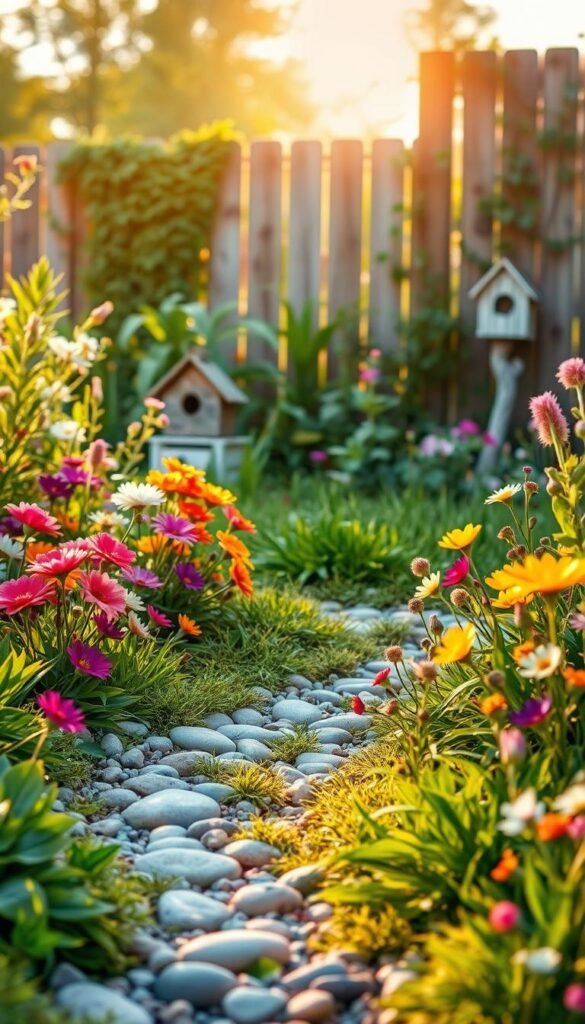
Crafting a unique landscape begins with understanding your environment. Start by observing sunlight patterns and soil quality – these factors determine which plants will thrive. Notice how you naturally move through your outdoor area during different times of day.
Understanding Your Space and Style
Match your plant choices to your home’s architecture. A modern ranch house pairs well with clean-lined shrubs, while Victorian homes shine alongside flowering vines. Create functional zones – maybe a reading corner under that mature maple or a play area near the patio.
Budget-Friendly Planning Tips
Focus on high-impact, low-cost changes first. A fresh coat of paint on your front door costs under $30 but dramatically boosts curb appeal. Try these creative garden art ideas using recycled materials for instant personality.
| Project Phase | Key Focus | Estimated Cost |
|---|---|---|
| Season 1 | Soil preparation & focal points | $50-$150 |
| Season 2 | Perennial plantings | $100-$300 |
| Season 3 | Decorative accents | $25-$75 |
Remember: Great spaces evolve over time. Start small with container gardens or pathway edging before tackling larger projects. Your local nursery can suggest native plants that need less water and care – saving you money long-term.
Setting the Stage with a Striking Focal Point
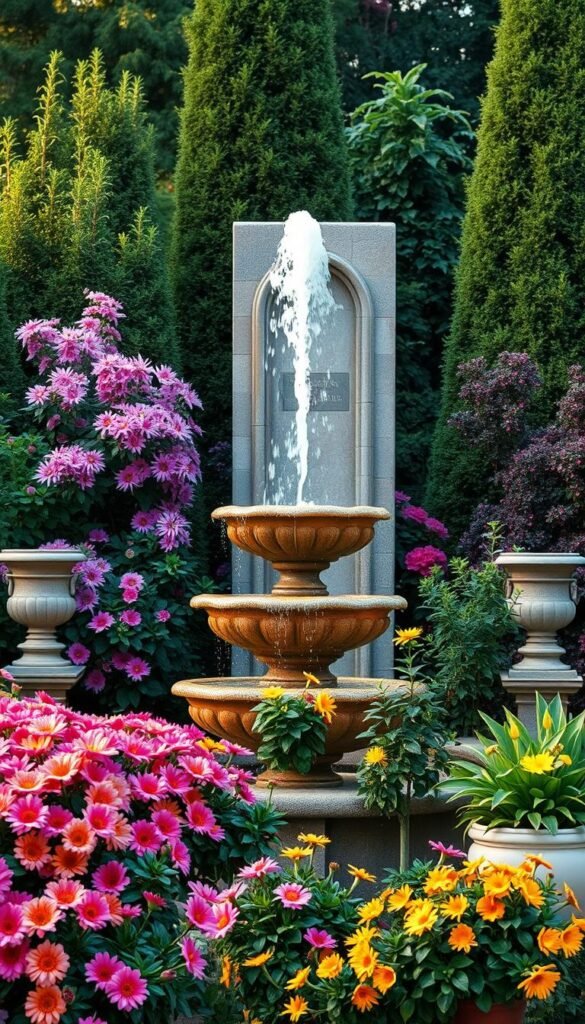
Every memorable outdoor space needs an anchor that captures attention. A well-chosen centerpiece acts like a visual exclamation point, guiding how people experience your environment. Think of it as the star performer in your landscape’s theater.
Color Psychology Meets Natural Beauty
Painting fences or walls in rich hues like lavender or burgundy creates instant drama. These shades make neighboring greenery pop while adding depth. Darker tones blur boundaries, making small yards feel larger through clever optical tricks.
Pair bold backdrops with contrasting textures for layered interest. Imagine sleek painted surfaces against rugged stone paths, or feathery grasses brushing weathered metal sculptures. These combinations create tactile experiences that keep eyes moving.
Position your statement piece where it’ll shine brightest. Place vibrant plant groupings where patio sightlines naturally rest. Add fragrant herbs or a trickling water feature near seating areas to engage multiple senses. As landscape designer Julie Moir Messervy notes: “Great spaces whisper ‘come closer’ through unexpected details.”
Remember – your focal point should harmonize with your home’s exterior. Match warm-toned brick houses with terracotta planters, or cool gray sidings with silver-leafed shrubs. This cohesion makes your entire property feel intentionally curated.
Reviving Spaces with a Fresh Paint Upgrade
Breathing new life into your outdoor areas starts with smart color choices. A simple paint refresh transforms worn fences into vibrant backdrops that protect against harsh weather. This upgrade costs less than replacing structures while adding personality to your surroundings.
Tips for Painting Fences and Boundaries
Start by cleaning surfaces thoroughly—power wash old wood to remove dirt and mildew. Sand rough spots for smooth application. Choose weather-resistant formulas like Cuprinol that withstand rain and sun. Neutral tones create timeless elegance, while bold shades like cobalt blue add modern flair.
Making Your Garden a Feature
Painted boundaries become living art when paired with strategic plantings. Light gray walls make burgundy heucheras glow, while navy fences highlight golden marigolds. Darker hues visually recede, making narrow yards feel spacious.
| Color Option | Best Pairings | Space Effect |
|---|---|---|
| Sage Green | White roses | Calming atmosphere |
| Terracotta | Silver grasses | Warm contrast |
| Slate Gray | Yellow daisies | Modern edge |
Local painter Mia Torres advises: “Test samples at different daylight hours—colors shift with sunlight.” Match your home’s trim for cohesive style. Finish with clear sealant to lock in color through seasonal changes.
Upcycling Ideas: Transforming Pallets and Old Furniture
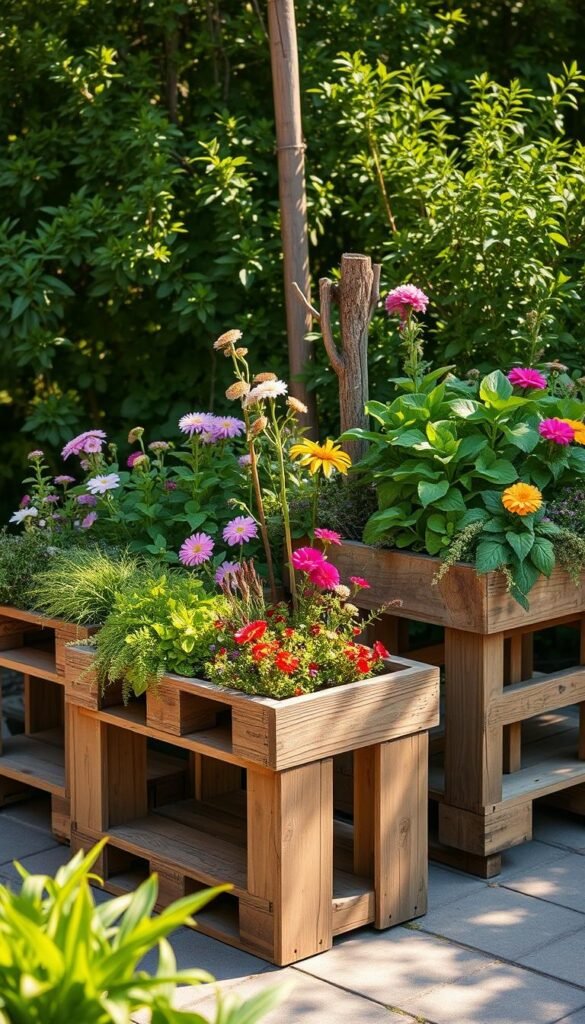
Breathing new purpose into discarded materials unlocks creative potential for your outdoor areas. Repurposed wood and furniture pieces offer affordable ways to add character while reducing waste. With basic tools and imagination, you can craft functional features that elevate your surroundings.
DIY Planters and Raised Beds
Wooden pallets shine as versatile foundations for growing spaces. Start by inspecting markings—avoid MB or SF codes indicating chemical treatments. Pressure wash thoroughly and let dry before sanding rough edges. Leave natural for rustic charm or paint with outdoor-grade colors matching your aesthetic.
Vertical pallet gardens maximize limited ground space. Fill gaps with soil and plant cascading varieties like ivy or strawberries. Their trailing growth softens angular lines while adding lush greenery at eye level. For vegetables, stack two pallets to create deep raised beds with built-in drainage.
| Project Type | Best Use | Key Benefit |
|---|---|---|
| Vertical Planter | Herbs & flowers | Saves floor space |
| Raised Bed | Vegetables | Improved soil control |
| Furniture Planter | Succulents | Unique focal points |
Old dressers and chairs become whimsical homes for plants when lined with landscape fabric. Local thrift stores and flea market finds often hide perfect candidates. These conversions add playful height variations and conversation starters throughout your space.
Upcycled elements blend sustainability with personal style. They create organized growing zones while keeping materials from landfills. As urban gardener Luis Moreno advises: “Let the material’s history guide your design—chipped paint tells a story.”
Budget-Friendly Container and Mulch Inspirations
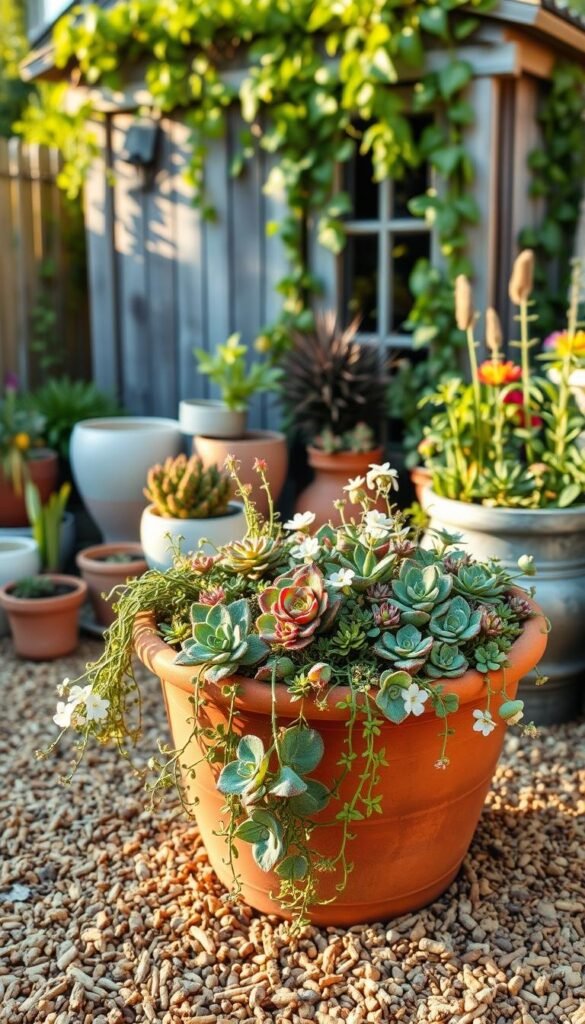
Elevate your container displays with smart mulching strategies that boost beauty and plant health. A layer of decorative material like crushed shells or smooth pebbles transforms ordinary pots into polished features. These toppings lock in moisture during summer heat while blocking weeds from stealing nutrients.
Choose materials matching your style—glossy river rocks for modern spaces or rustic pine cones for cottage charm. Local stone yards like Loads of Stone offer affordable pea gravel, while Crocus provides crushed shells in coastal hues. Forager-friendly options include acorn caps or birch bark from your property.
| Material | Best For | Key Benefit |
|---|---|---|
| Crushed Shells | Mediterranean herbs | Reflects sunlight |
| Pea Pebbles | Succulents | Improves drainage |
| Pine Cones | Woodland plants | Natural insulation |
Landscape designer Elena Carter notes: “Mulch acts like jewelry for containers—it completes the look while serving practical needs.” Apply a 1-2 inch layer after planting, leaving space around stems to prevent rot.
Pair finer mulches with delicate flowers, and chunkier textures with bold foliage. This approach maintains soil balance while creating visual harmony across your space. Refresh materials annually to keep displays vibrant and functional.
Crafting a Charming DIY Bird Bath
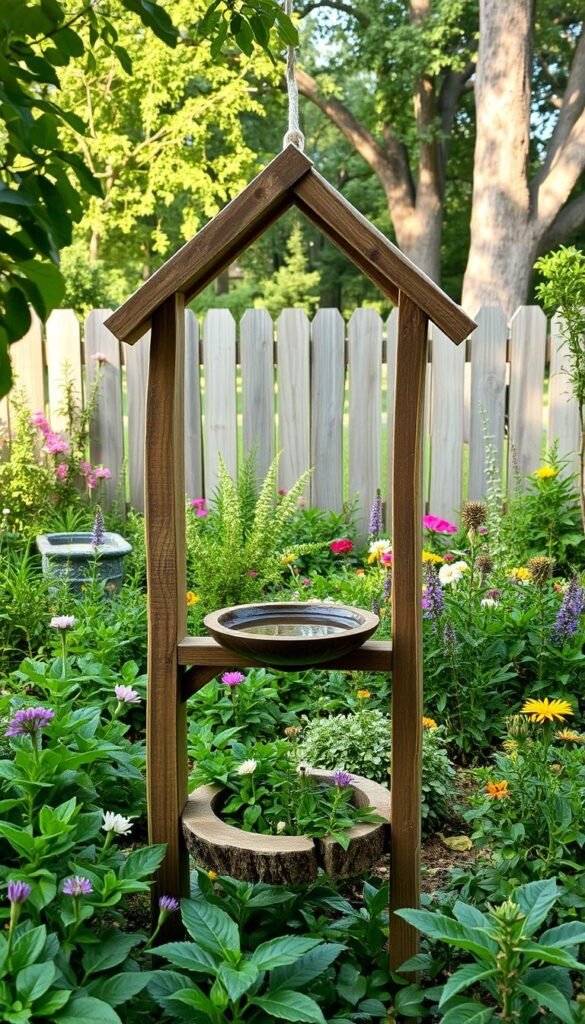
Inviting feathered friends to your outdoor space becomes effortless with a handmade watering station. This simple project adds life and movement while serving as an eco-friendly water source. Best of all, it costs a fraction of store-bought alternatives.
Step-by-Step Assembly Instructions
Begin with a medium-sized terracotta pot and matching glazed saucer. Flip the pot upside down to create a sturdy pedestal base. Apply waterproof adhesive in a continuous ring along the pot’s bottom rim.
Center the saucer carefully, pressing firmly to seal gaps. Let the glue cure completely—overnight works best. Once set, fill the shallow basin with fresh water. Place your creation near shrubs or trees where birds feel safe approaching.
| Material | Purpose | Pro Tip |
|---|---|---|
| Terracotta Pot | Stable base structure | Choose heavier pots for wind resistance |
| Glazed Saucer | Water reservoir | Opt for textured surfaces to prevent slipping |
| Waterproof Glue | Weatherproof bond | Apply in temperatures above 50°F |
Local birding expert Marissa Kwon advises: “Vary water depth—shallow edges for small songbirds, deeper center for robins.” Clean weekly with vinegar to prevent algae. Add flat stones as perches to help butterflies and bees drink safely.
Customize your bath’s height by stacking multiple pots. Paint the base with non-toxic outdoor colors to match your home’s accents. Suppliers like Crocus offer various sizes, letting you scale the project for balcony gardens or spacious yards.
Cultivating Annuals and Succulents for Instant Impact
Creating vibrant displays in your outdoor areas becomes effortless with fast-growing annuals and resilient succulents. These plants deliver quick color while adapting to various conditions, making them ideal for filling gaps in borders or brightening neglected corners.
Start with cosmos seeds—one packet yields months of cheerful flowers that sway in summer breezes. Pair them with zinnias and marigolds for a fiery mix that thrives in full sun. For shady spots, try nasturtiums with their edible blooms. Explore annual plant pairings to discover combinations that suit your space.
Hardy succulents like sempervivums solve dry-area challenges. Tuck crassulas between paving stones or in rocky soil where other plants struggle. Their geometric forms add modern texture while requiring minimal care—perfect for busy gardeners.
This variety of options lets you experiment without commitment. Swap annuals seasonally and let succulents spread naturally over time. For container inspiration, check these colorful gardening ideas that maximize visual impact. Both approaches offer budget-friendly ways to refresh your surroundings while celebrating nature’s adaptability.