

Most homeowners focus on lawns or patios when planning their outdoor space, but walls often get overlooked. What if those blank surfaces could become your property’s most striking feature? With a few creative tweaks, even plain structures can turn into eye-catching elements that blend beauty and purpose.
Think beyond basic bricks or concrete. A fresh coat of weather-resistant paint or mosaic tiles can revive tired walls instantly. Studies show well-designed green areas boost property value by 5-15%, and strategic wall upgrades play a big role. Imagine vertical herb gardens or built-in seating that maximizes every inch.
Good planning turns walls into multitasking assets. They create privacy, define zones for dining or relaxation, and support climbing plants. Matching materials to your home’s architecture ensures harmony, while bold colors or textures add personality. You’ll learn how balancing aesthetics and function transforms unused areas into stunning focal points.
Ready to rethink your approach? Let’s explore how purposeful design choices unlock hidden potential in every corner of your yard.
Transforming Outdoor Spaces with Creative Wall Ideas
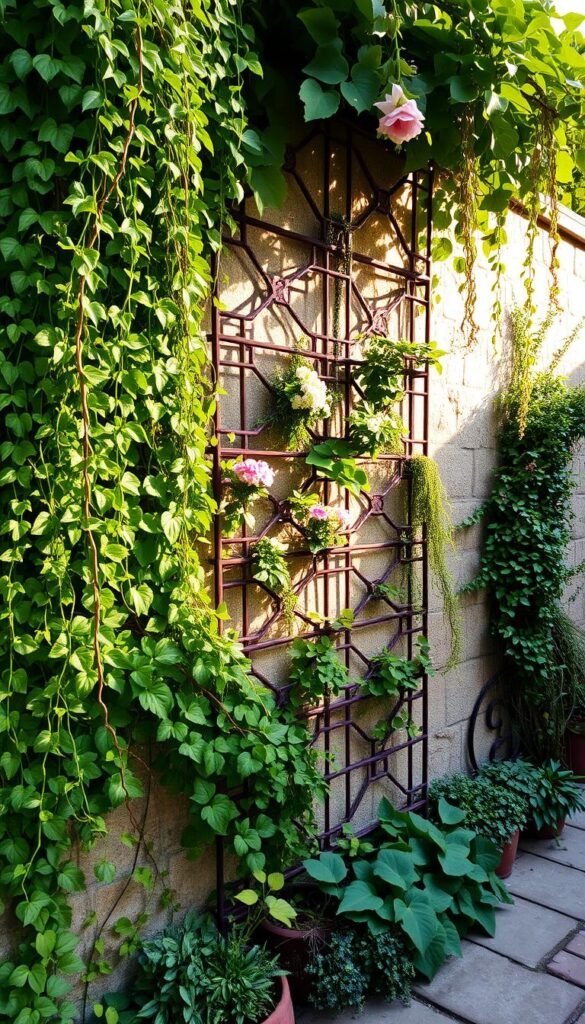
Blank walls in your yard hold untapped potential. Instead of settling for plain surfaces, consider how creative wall ideas can reshape your entire outdoor experience. From gallery-style displays to modular planters, these solutions work for cozy balconies and sprawling backyards alike.
Start with budget-friendly upgrades like removable decals or hanging salvaged windows as rustic frames. For under $50, you can create visual interest using weatherproof fabrics or stenciled patterns. Research shows designed outdoor areas with intentional wall treatments increase perceived property value by 12% compared to plain structures.
Vertical gardens offer dual benefits – they add greenery while softening harsh lines. Try arranging terracotta pots horizontally on fences or mounting pocket planters filled with herbs. These living walls purify air and create natural privacy screens without permanent changes.
Assess your space by asking: Which walls get the most visibility? Where could seating or storage enhance functionality? A well-placed mirror expands cramped patios, while chalkboard paint turns boring surfaces into interactive art spaces. Tie everything together by repeating colors from existing furniture in your wall treatments.
Remember, successful transformations balance personality with practicality. Your walls should reflect your style while solving specific needs – whether that’s hiding AC units or creating conversation-starting focal points.
Elevate Your Space with Innovative Garden Wall Design for Outdoors
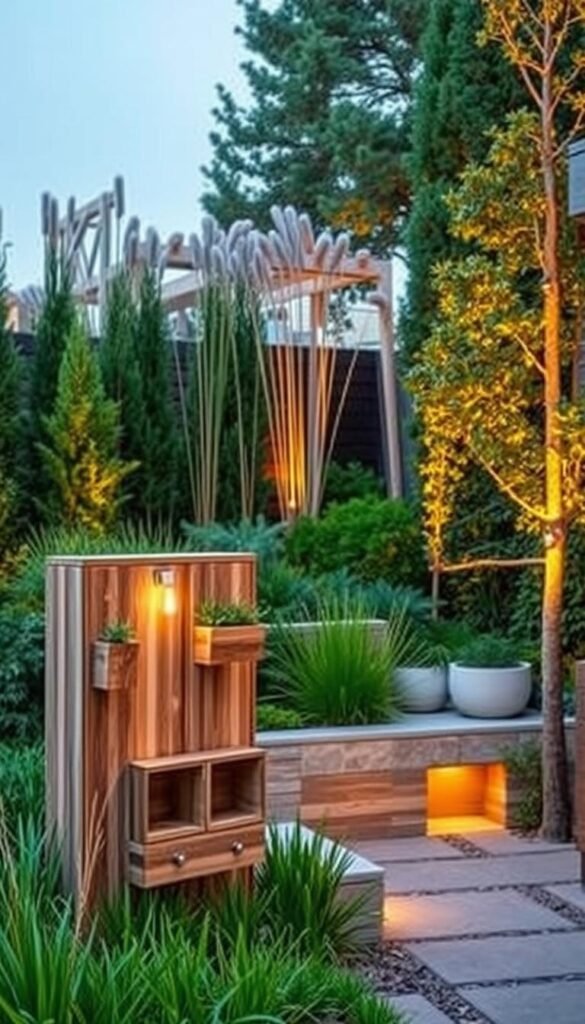
Garden walls do more than mark property lines—they shape experiences. These structures tackle practical challenges while adding character to your surroundings. Modern solutions combine soil retention with visual appeal, turning slopes into terraced displays for flowers or edible plants.
- Material harmony – Match stone textures or wood tones to your home’s exterior
- Layered functionality – Incorporate seating niches behind climbing jasmine
- Seasonal adaptability – Design ledges that hold holiday décor or summer lanterns
Recent trends favor recycled composite blocks and modular systems that snap together without mortar. A 2023 National Association of Realtors report notes homes with intentional landscape walls sell 9% faster than those without. Smart designs now include hidden irrigation channels or solar-powered lighting strips.
Before breaking ground, assess your site’s unique needs:
- Clay-heavy soil? Opt for gabion baskets that improve drainage
- Shady corners? Use moss-friendly surfaces for natural green walls
- Windy zones? Create staggered patterns that reduce gusts
Well-planned walls boost curb appeal while carving out functional zones for relaxation or entertainment. They turn overlooked areas into destinations—think reading nooks beside lavender borders or pizza ovens framed by herb planters.
Bold Colors and Artistic Paint Techniques for Impactful Walls
Your outdoor walls deserve more than just being background elements—they can become the star of your space. A fresh coat of daring color adds instant personality while enhancing your landscape’s beauty. As RHS Gold medalist Katerina Kantalis notes:
“Vibrant hues bridge indoor and outdoor areas, making north-facing gardens feel sunnier while adding depth to compact spaces.”
Embracing Vibrant Hues
Why settle for beige when terracotta red or cobalt blue can energize your patio? These shades work wonders in different settings:
| Lighting Condition | Top Color Choices | Mood Created |
|---|---|---|
| North-facing walls | Warm yellows, peach tones | Brightens shadows |
| Sun-drenched areas | Deep blues, sage greens | Cools intense light |
| Mixed shade spots | Muted purples, soft grays | Adds sophistication |
Pair these colors with DIY garden art projects for cohesive style. A citrus-toned wall makes the perfect backdrop for hanging metal sculptures or mosaic patterns.
Surface Preparation and Durable Finishes
Lasting results start with proper prep. Follow these steps for any material:
- Pressure-wash brick or concrete to remove dirt
- Apply mildew-resistant primer to wooden surfaces
- Use epoxy filler to repair cracks in stucco
Choose paints specifically formulated for exterior walls. Acrylic-latex blends work best on masonry, while elastomeric coatings flex with temperature changes on wood. For added artistic flair, try weatherproof stencils or color-washing techniques that create textured looks.
Remember—your color choices shape how spaces feel. Soft lavender whispers relaxation, while tangerine orange sparks conversation. Test samples at different times of day before committing!
Decorative Elements: Hang Art, Mirrors, and Sculptures
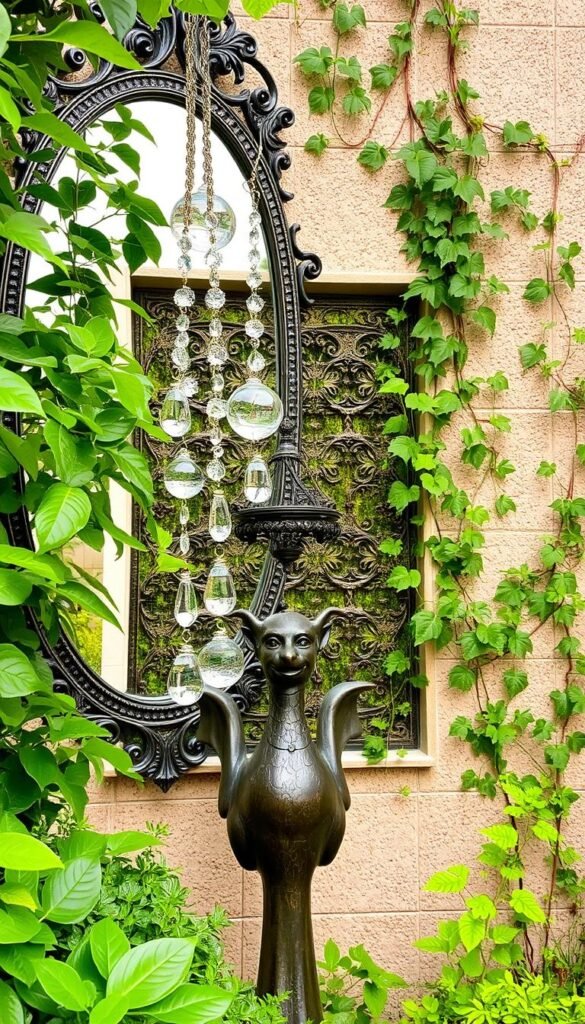
Walls with cracks or uneven surfaces don’t need to stay eyesores. As Danielle Le Vaillant from Cox & Cox advises: “When paint won’t solve the problem, decorative elements become your secret weapon.” Strategic placement draws attention to art and away from flaws, turning bland walls into curated displays.
Functional Beauty: Timekeepers and Directional Guides
Outdoor clocks and compasses do double duty. They nod to historic sundials while serving modern needs. A bold chronograph becomes a focal point, especially when framed by climbing ivy or flanked by lanterns. Choose powder-coated metals or UV-resistant resins for lasting appeal.
Mirrors work magic in tight areas. Position them to reflect flower beds or water features, instantly doubling your visual interest. For safety, use shatterproof acrylics with bevelled edges that mimic glass. Pair them with wrought-iron sconces or mosaic borders for cohesion.
When mixing pieces, follow the “rule of three”: cluster items in odd numbers at varying heights. A vertical layout might stack a sunburst mirror, horizontal weathervane, and trailing fern planter. This creates rhythm without clutter, making your outdoor space feel intentionally designed rather than randomly decorated.
Innovative Living Walls and Vertical Garden Designs
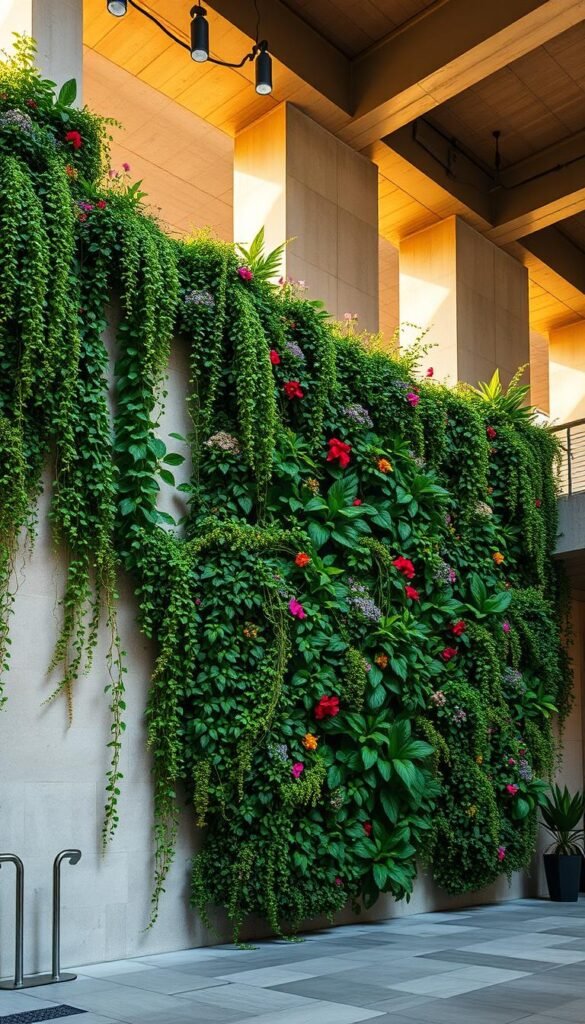
Vertical gardens don’t require complex setups to make a big impact. Horticulturalist George Gaia Holmes shares:
“Attaching terracotta pots at staggered heights creates instant charm. Trailing plants soften surfaces while letting you swap styles as your tastes evolve.”
This approach blends rustic appeal with practical flexibility—no irrigation systems needed.
Simple Living Wall Alternatives with Terracotta Pots
Clay pots offer breathability that helps plants thrive vertically. Mount them horizontally on fences or arrange diagonally for dynamic texture. Herbs like thyme and oregano love these conditions, while ivy or creeping fig adds cascading drama.
Key benefits include:
- Seasonal updates in minutes—replace frost-sensitive plants with cold-hardy varieties
- Reduced watering needs compared to traditional living walls
- Natural drainage through porous clay material
Designing Vertical Planters for Lush Greenery
Choose planters based on sunlight exposure and root space. Shallow-rooted succulents work in compact pockets, while deeper boxes suit vegetables like cherry tomatoes. Consider these pairings:
| Light Conditions | Top Plant Picks | Care Tips |
|---|---|---|
| Full sun | Sedum, lavender | Water weekly |
| Partial shade | Ferns, begonias | Mist leaves |
| Low light | Pothos, snake plants | Wipe dust monthly |
Rotate plants every 3-4 years to refresh your garden’s look without rebuilding structures. Stagger heights and colors to guide the eye upward, making small spaces feel grander.
Maximizing Greenery with Raised Beds and Integrated Planters
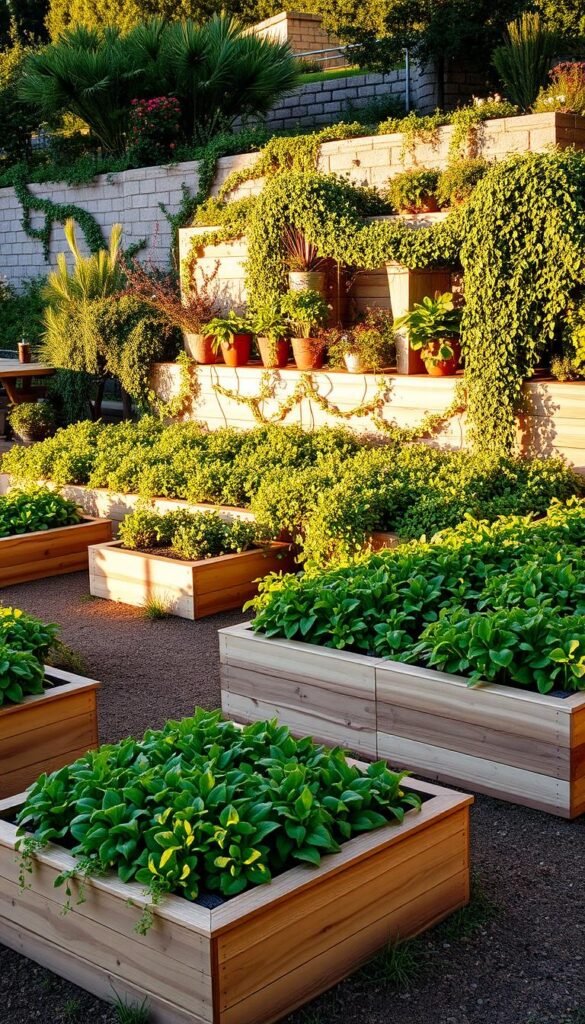
Raised beds turn tricky spots into thriving plant zones while blurring the lines between your garden and hardscape. These elevated structures let you bypass poor soil or concrete surfaces, creating instant growing areas where traditional planting fails.
Choosing Between Raised Bed Kits and Built-In Designs
Prefab kits save time with easy assembly—perfect for renters or quick fixes. But custom builds unlock creativity. Add curved edges, built-in seating, or tiered levels that match your space’s dimensions. Consider this comparison:
| Feature | Kit Benefits | Custom Benefits |
|---|---|---|
| Cost | $50-$300 | $200-$800+ |
| Install Time | 2-4 hours | 1-3 days |
| Personalization | Limited colors/sizes | Tailored shapes & materials |
For small gardens, try wall-mounted planters that cascade flowers downward. They disguise fences while adding depth. Always line beds with landscape fabric to prevent rot and ensure drainage holes protect walls from moisture.
Mix tall grasses with trailing vines in your beds. This combo softens edges and creates natural privacy screens. Remember: shallow-rooted plants like lettuce thrive in 12″ depths, while tomatoes need 18″+. Rotate crops yearly to keep soil nutrient-rich.
Planting Climbers and Installing Trellises for a Dynamic Look
Climbing plants bring life to blank surfaces, turning rigid walls into breathing ecosystems. Imagine morning glories unfurling at dawn or clematis weaving through lattices—these living curtains add depth and movement to your garden. As Danielle Le Vaillant notes: “Trellises act as nature’s scaffolding, guiding growth while protecting structures from invasive roots.”
Smart Pairings for Lasting Beauty
Start by matching plants to your wall’s conditions. Roses thrive in sunny spots with well-drained soil, while ivy conquers shady brick. Consider these popular choices:
- Fast coverage: Virginia creeper (3 seasons of color)
- Fragrant blooms: Star jasmine (summer scent)
- Edible appeal: Passionflower (exotic fruits)
Install trellis systems 6-12 inches from walls to allow airflow. Metal grids suit modern spaces, while wooden lattices blend with cottage styles. For small areas, try DIY trellises made from repurposed ladders or wire mesh.
Prune aggressive growers like wisteria monthly to prevent damage. Train tendrils clockwise around supports using soft ties—this encourages upward growth without strangling stems. Combine early bloomers (sweet peas) with late-season stars (climbing hydrangea) for year-round drama.
Remember: Your wall becomes part of the plant’s habitat. Check for cracks before installing, and seal surfaces if needed. With smart choices, you’ll create a living tapestry that evolves with each season.
Exploring Modern Materials and Structural Innovations
Your backyard’s blank canvas deserves materials that marry strength with style. Today’s options go beyond basic cinder blocks, offering solutions for every climate and aesthetic. Let’s break down what works—and why.
Stone, Brick, Gabion, and Recycled Material Options
Natural stone brings earthy textures that age beautifully. It handles freeze-thaw cycles better than concrete, making it ideal for northern states. Pair irregular flagstones with drought-tolerant sedums for low-maintenance charm.
Brick remains a crowd-pleaser thanks to its design flexibility. New interlocking systems let you create curved walls without mortar. For coastal areas, choose salt-resistant varieties to prevent weathering.
Gabion baskets filled with local rocks solve multiple problems. They:
- Prevent soil erosion on slopes
- Require no concrete foundation
- Double as wildlife habitats
Recycled composite blocks are changing the game. Made from plastic and wood fibers, they resist rot while mimicking natural materials. A 2023 study showed these options cut installation time by 40% compared to traditional stonework.
When planning your structure, consider local building codes and drainage needs. Sandy soils might need deeper footings, while clay-heavy ground benefits from gravel bases. For inspiration on blending these materials with modern garden design trends, explore combinations that match your home’s architecture.
Accent Lighting Techniques to Enhance Outdoor Ambiance
As daylight fades, your outdoor areas can shine with the right illumination. Reilly Grey, co-founder of Suns Lifestyle, puts it perfectly:
“Quality lighting solutions turn summer nights into extended living moments—blending beauty with purpose.”
Strategic placement transforms plain surfaces into dramatic backdrops for dining or relaxing after sunset.
String Lights, Lanterns, and Embedded LED Ideas
String lights add whimsy when draped along walls or woven through trellises. Opt for weather-resistant copper-wire models with dimmable bulbs—they create cozy ambiance while withstanding rain. Lanterns offer portable flexibility: cluster Moroccan-style metal designs on ledges or hang paper globes from hooks.
For modern flair, try these lighting options:
| Type | Best For | Energy Source |
|---|---|---|
| Embedded LEDs | Path borders | Solar/Wired |
| Rope lights | Architectural details | Low-voltage |
| Spotlights | Plant displays | Solar |
Layer different lights to balance function and mood:
- Ambient: Overhead string lights (10-12 lumens/sq ft)
- Task: Under-counter LEDs for cooking areas
- Accent: Uplighting for textured walls
Solar-powered options reduce wiring hassles, while timers automate operation. Always choose IP65-rated fixtures for wet zones. Pair outdoor lighting with climbing plants—soft beams through ivy leaves create mesmerizing shadows on walls.
Adding Multifunctional Features: Seating and Interactive Elements
Outdoor walls can do more than frame your property—they can become extensions of your lifestyle. Smart designs now blend practicality with creativity, turning underused areas into hubs for connection and relaxation.
Built-In Seating That Works Harder
Stone benches doubling as retaining walls or wooden ledges with hidden storage solve two problems at once. These features save space while creating inviting spots to unwind. Add weatherproof cushions in bold patterns to boost comfort without sacrificing durability.
Modular designs let you adapt layouts for different occasions. A curved concrete bench might host morning coffee solo, then expand with removable sections for weekend gatherings. Pair seating elements with planter boxes or solar-powered lighting to enhance functionality.
Shelving niches carved into walls offer display areas for potted herbs or garden art. Keep proportions balanced—deeper shelves suit trailing plants, while shallow ledges hold candles or small sculptures. These features transform plain surfaces into dynamic, interactive elements that grow with your needs.