
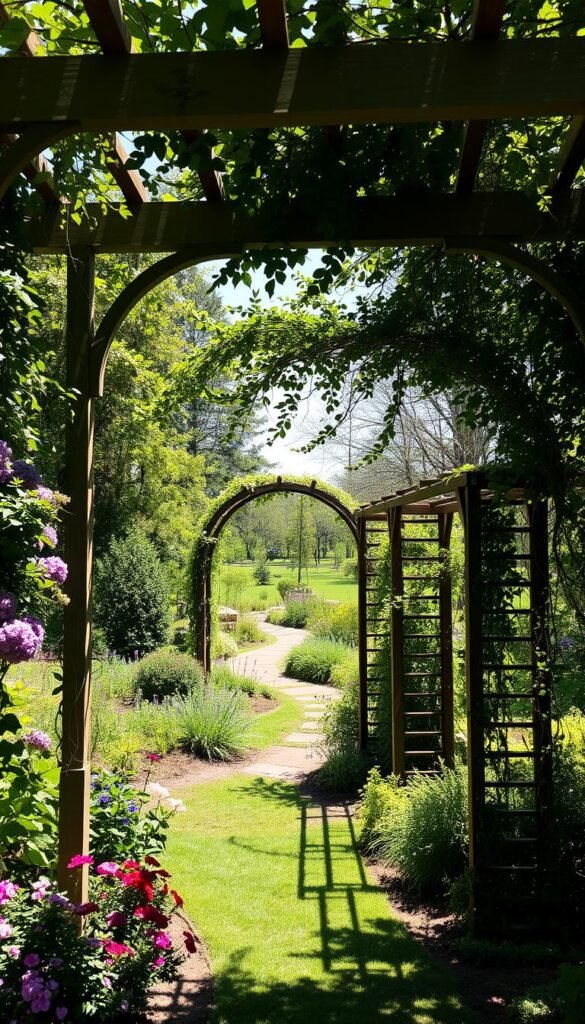
Your backyard isn’t just grass and dirt anymore—it’s becoming a natural extension of your home. Across the U.S., homeowners are blending indoor comforts with fresh-air freedom, creating lounges, dining spots, and even outdoor kitchens. The secret? Three versatile features that shape style and function: pergolas, arbors, and trellises.
These elements do more than look pretty. They define areas, support climbing plants, and add shade where you need it. But here’s the twist: depending on where you live, your neighbor might call that shaded walkway an arbor, while you swear it’s a pergola. Regional terms vary, but the impact remains the same.
Thinking about vertical solutions? A well-placed trellis isn’t just for roses—it can turn cramped corners into lush green walls. For creative small-space ideas, explore our guide on DIY trellises that marry practicality with personality.
This guide breaks down each structure’s unique traits, shares pro tips for seamless indoor-outdoor flow, and helps you avoid common planning pitfalls. Let’s turn your yard into a space that truly lives.
Understanding Your Outdoor Living Needs
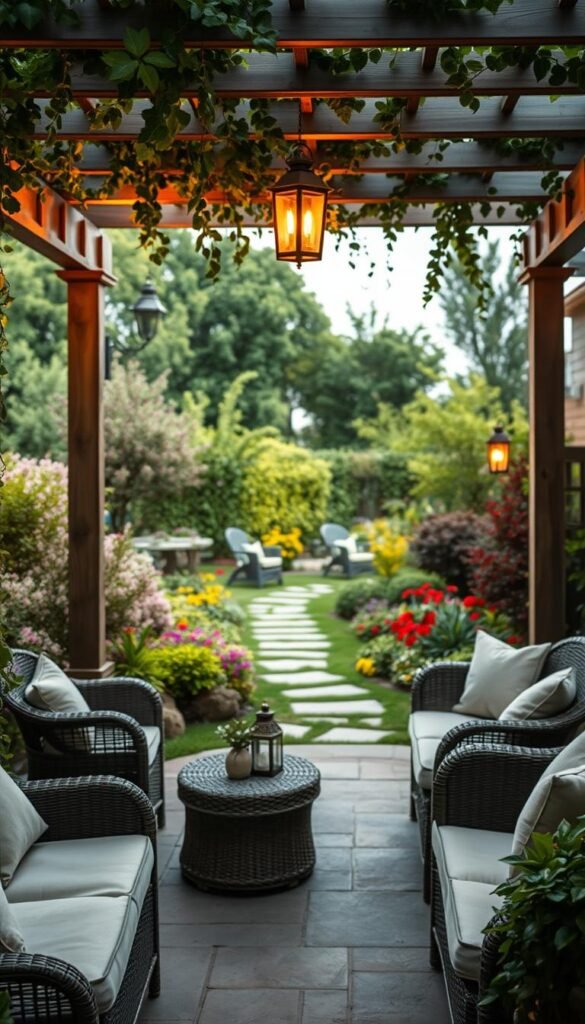
Your patio or deck deserves more than generic furniture—it needs solutions tailored to how you actually use your property. Start by sketching a rough map of your yard. Where does sunlight linger longest? Which spots feel disconnected? This simple exercise reveals where structures can solve problems you didn’t know you had.
Identifying Functional Requirements for Every Space
Ask yourself: “What’s missing in my current setup?” Maybe your grill area needs shade, or your morning coffee spot craves privacy. Vertical structures work wonders here—a trellis with jasmine creates natural screening, while pergolas define dining zones without closing them off. For clarity on which structure fits your goals, our comparative guide breaks down sizes and uses.
Balancing Aesthetic Appeal with Practicality
Your cousin’s Instagram-worthy arbor might not survive your snowy winters. Materials matter: cedar resists rot, powder-coated steel handles humidity, and vinyl stays low-maintenance. Pair durability with style—slatted roofs cast playful shadows, while arched entries echo cottage charm. Need inspiration? Explore aesthetic inspiration that blends form and function.
Remember, plants grow—literally. That wisteria sapling will become a woody giant in five years. Leave room for growth, both in your layout and budget. Smart choices today mean fewer headaches tomorrow.
Enhancing Garden Design with Pergolas, Arbors, and Trellises
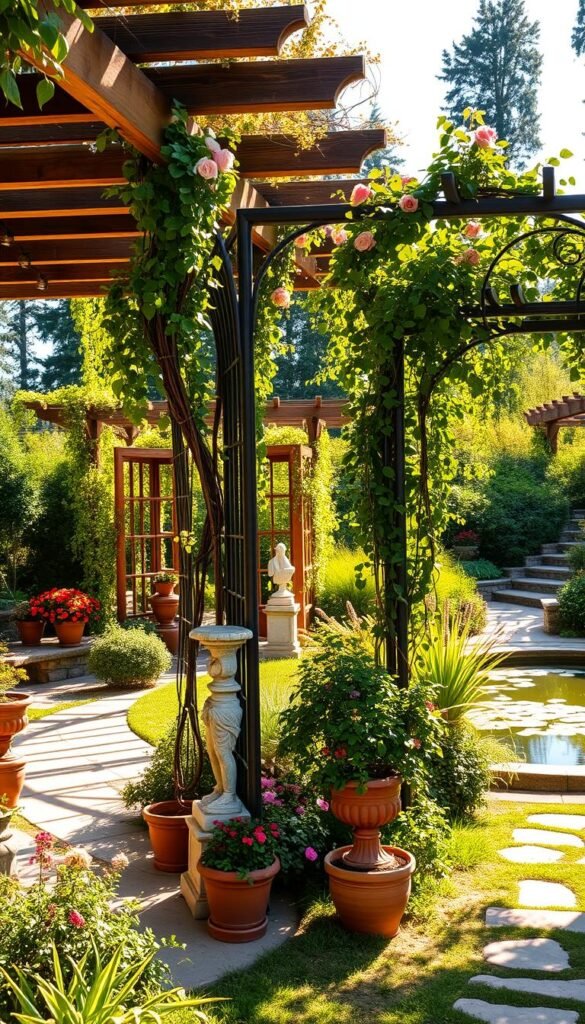
Transforming your outdoor space starts with choosing the right architectural elements. Each option brings distinct advantages that shape both functionality and visual appeal. Let’s explore what makes these features stand apart.
Key Features That Define Each Structure
Pergolas command attention with their open-roof frameworks. Built from durable materials like cedar or aluminum, they create shaded lounging areas perfect for outdoor dinners. Their size makes them ideal for defining patios or poolside retreats.
Arbors focus on creating moments. An arched entryway wrapped in climbing roses instantly elevates a pathway. The lattice sides support vines while framing views—think of them as punctuation marks in your landscape.
Trellises work behind the scenes. Their lightweight grids let cucumbers or clematis climb vertically, saving ground space. You can lean them against walls or use them as freestyle dividers between zones.
How They Complement Various Garden Styles
Mediterranean-inspired spaces thrive under pergolas draped in grapevines. For cottage charm, pair arbors with fragrant jasmine near seating areas. Even modern minimalist yards benefit from sleek metal trellises supporting monochromatic ivy.
Curb appeal gets a boost when arbors mark property entrances. Meanwhile, pergolas anchor cozy conversation pits in sprawling backyards. No matter your taste, these elements add layers that make landscapes feel intentional.
Exploring the Unique Features of Pergolas
Imagine transforming your backyard into a stylish retreat where every season feels inviting. Pergolas excel at merging comfort with nature, turning basic yards into extensions of your home’s living area. Their adaptable designs handle everything from summer cookouts to cozy winter gatherings.
Shade, Weather Protection, and Outdoor Living Areas
Pergolas create instant shade where you need it most. Their open-beam roofs filter sunlight while letting breezes flow through. Want full coverage? Add retractable fabric canopies or permanent slatted panels for sun rain protection.
Built with sturdy beams and rafters, these structures support more than climbing plants. Hang pendant lights for evening ambiance or install ceiling fans to beat the heat. Some homeowners even mount solar panels on their pergola’s roof to power outdoor kitchens.
| Roof Type | Shade Coverage | Rain Protection | Best For |
|---|---|---|---|
| Slatted | Partial | Light drizzle | Hot climates |
| Solid | Full | Heavy storms | Year-round use |
| Retractable | Adjustable | Variable | Multi-season spaces |
Design Options and Integration with Modern Spaces
Today’s pergolas fit sleek, contemporary homes as easily as rustic cottages. Choose powder-coated aluminum for low maintenance or stained cedar for natural warmth. Louvered roofs let you control sunlight angles like window blinds.
Pair your structure with sliding privacy screens or flowing curtains to create intimate zones. These additions turn an open-air pergola into a weather-resistant outdoor living space perfect for movie nights or rainy-day reading nooks.
Smart integrations boost functionality. Built-in speakers, Wi-Fi-enabled lighting, and hidden outlets keep your space modern without sacrificing style. It’s why pergolas often deliver the highest ROI of any backyard upgrade.
Delving into the Versatility of Arbors
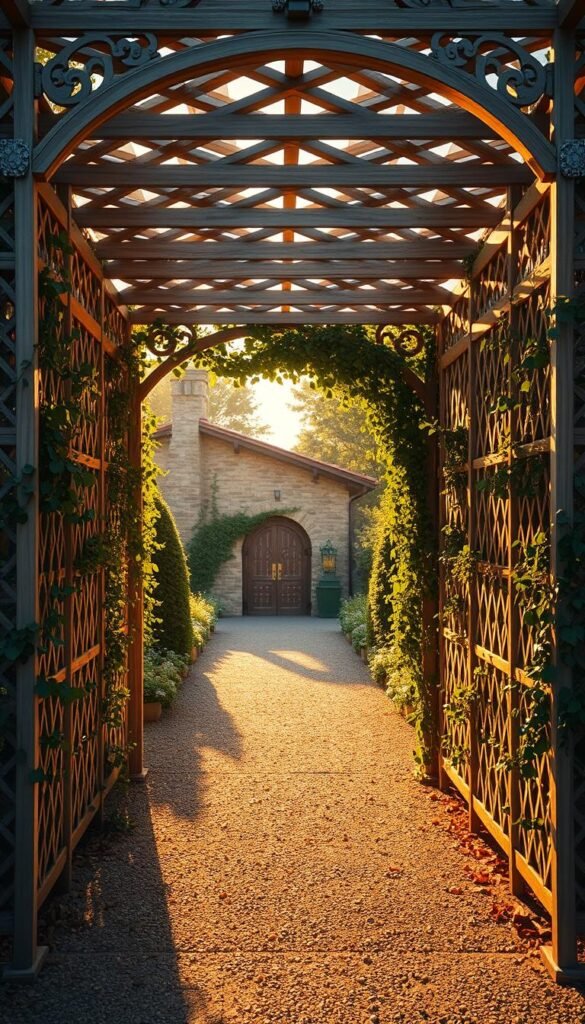
Arbors turn everyday paths into storybook moments. These structures work like punctuation marks in your landscape—they announce transitions, frame views, and guide movement. Whether leading to a hidden seating area or marking your property line, they add layers of intention to outdoor spaces.
Creating Inviting Entryways and Garden Gateways
An arbor’s arched or straight-top framework instantly elevates any entrance. Picture climbing roses spilling over its sides as you walk through—it’s like stepping into a cottagecore daydream. The integrated lattice panels, typically 2-3 feet wide, give vines a foothold to create living walls.
Use them to separate zones subtly. A pair flanking your driveway says “welcome,” while one at the backyard gate hints at adventures beyond. They’re especially useful in smaller yards where larger structures might dominate.
Architectural Accents and Framing Pathways
Arbors excel at directing attention. Place one where your garden path bends to highlight a fountain or bench. Their modest size makes them ideal for tight spaces, yet they pack visual punch when often used in series along winding walkways.
The open top filters sunlight into dappled patterns below. As plants mature, they’ll form natural ceilings—imagine wisteria blossoms brushing your shoulders as you pass through. It’s functional art that grows more captivating each year.
Unpacking the Benefits of Trellises in Your Garden
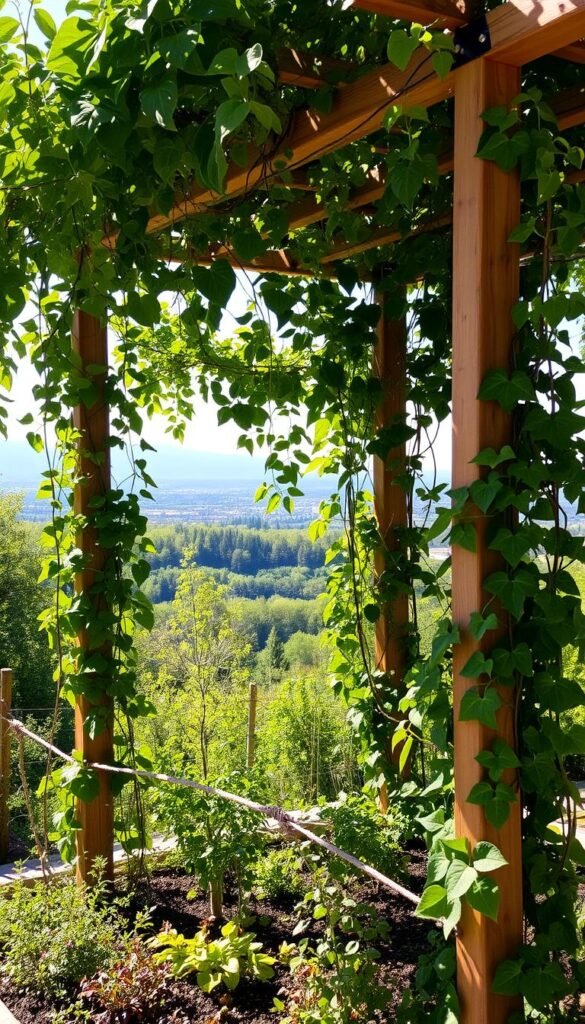
Trellises bring vertical magic to even the smallest gardens. These lightweight grids transform blank walls and empty corners into living art displays. Unlike permanent structures, they adapt as your space grows—literally and stylistically.
Support for Climbing Plants and Vertical Interest
Trellises give your green friends room to stretch. Clematis winds through lattice gaps, while pea tendrils grip tightly. You’ll see cucumbers dangle like ornaments when trained upward. This vertical approach saves ground space for herbs or stepping stones.
What makes these structures shine? Their portability. Stake one by your patio today, move it near the compost bin tomorrow. Pair several to make a leafy divider between lawn and veggie patch. For tight urban spaces, check out creative vertical gardening ideas using similar principles.
Morning glories and jasmine thrive on trellis frameworks, offering seasonal privacy screens. Unlike solid fences, these living walls filter light and breeze. Plus, you can reposition them yearly as sun patterns shift or new plants join your collection.
Maintenance? Nearly zero. A quick brush keeps metal grids clean, while wooden ones age gracefully into rustic charm. Whether supporting edible vines or flowering plants, trellises prove good design doesn’t need deep roots.
Comparative Insights: Size, Structure, and Function
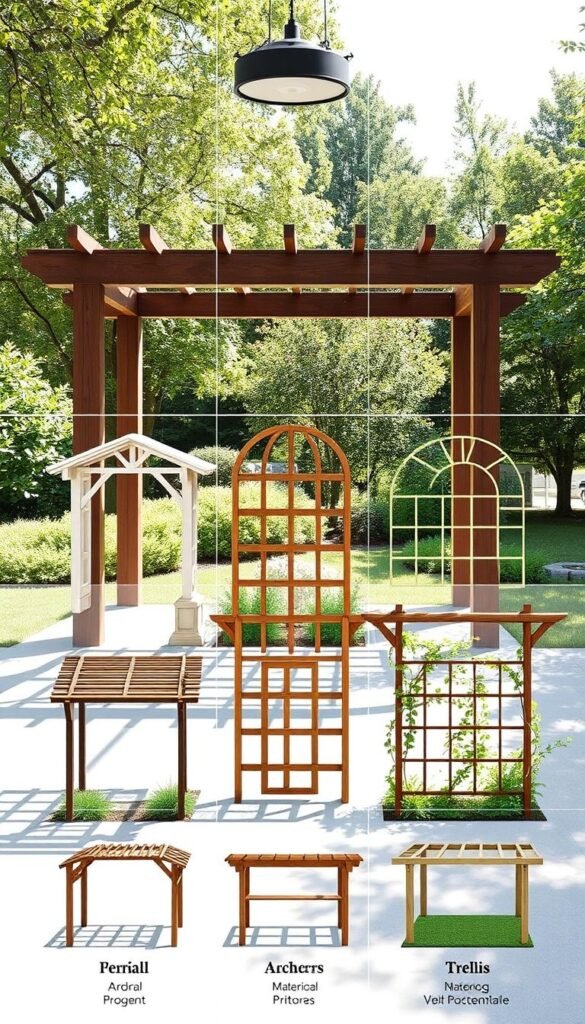
Choosing between garden structures feels like picking tools for a job—each has specialties. To nail your selection, weigh their physical footprints against your goals. Let’s break down how they stack up in real-world scenarios.
Evaluating Space, Design, and Customization Options
Pergolas rule as the giants here. Their beams span 10-20 feet, creating shaded outdoor rooms for dining or lounging. You’ll need concrete footings and professional installation—they’re built to last decades.
Arbors play middle child. At 4-8 feet wide, they frame pathways without swallowing your yard. Their lattice sides handle climbing roses or grapes, while arched tops guide foot traffic. Think of them as decorative commas in your landscape sentences.
Trellises? The chameleons. Lean a 3-foot panel against a wall for snap peas, or connect several to make movable screens. Their lightweight designs let you experiment yearly—no heavy lifting required.
| Feature | Pergolas | Arbors | Trellises |
|---|---|---|---|
| Typical Footprint | 100-400 sq ft | 15-50 sq ft | 4-25 sq ft |
| Best For | Entertaining areas | Path accents | Vertical gardening |
| Average Cost | $3,000-$10,000 | $500-$2,500 | $50-$300 |
Your space evolves—so should your structures. Pergolas become permanent fixtures, while trellises shift with your gardening whims. Arbors strike a balance, offering semi-permanent charm without overwhelming smaller yards.
Customization scales with size. Add retractable shades to pergolas for all-weather use. Swap arbors’ flat tops for gabled peaks. Mix trellis patterns—hexagons for modern vibes, squares for cottage flair. Your design choices grow alongside your plants.
Material Choices: Wood, Metal, and Beyond
The backbone of your outdoor oasis lies in materials that withstand both time and trends. Your selection impacts how structures age, blend with nature, and handle local weather patterns. Let’s break down what works—and what lasts.
Durability and Maintenance Considerations
Wood like cedar or redwood resists rot naturally, developing a silvery patina over time. These options need yearly sealing but reward you with rustic charm. Metal frames—think powder-coated aluminum—defy rust and require just soapy water for cleaning.
Composite materials offer a middle ground. They mimic wood’s texture without the upkeep. For trellises, lightweight synthetics handle frequent moves better than rigid iron. Match your pick to your climate: humid areas favor metals, while arid zones let wood shine.
Enhancing the Look with Natural and Contemporary Finishes
Stain cedar for richer tones or let it gray gracefully. Metal pergolas pop with matte black finishes against greenery. For whimsy, pair white lattice with flowering vines—it’s instant cottage appeal.
Mix materials for depth. Try a wooden arbor with metal side panels, or add copper accents to weathered beams. These combos create visual interest while serving practical roles. Want to elevate your evenings? Combine these elements with water features and fairy lights for layered ambiance.
Your choices tell a story. Let them reflect your style while standing up to rain, sun, and seasons.