
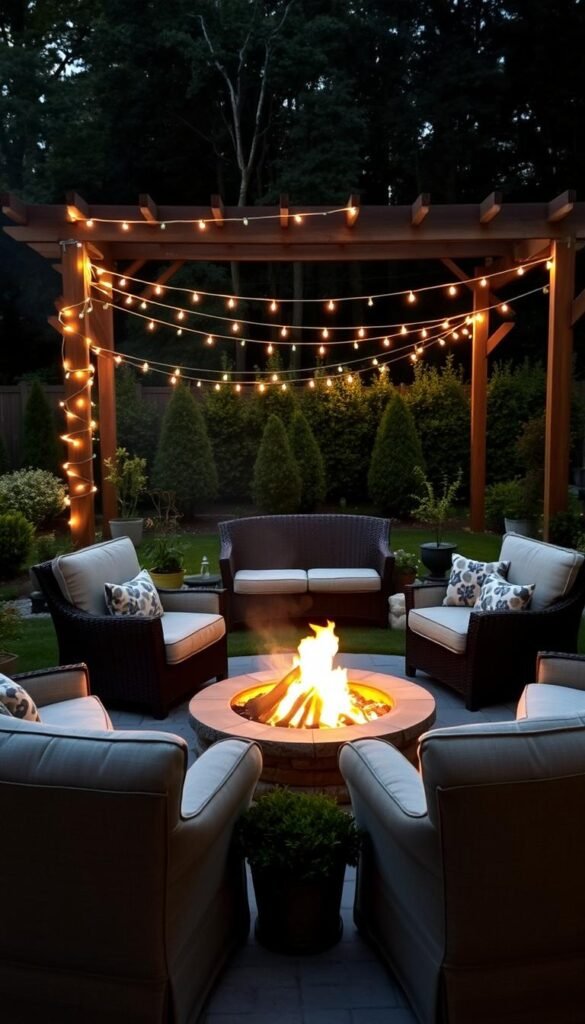
Imagine a space where laughter echoes and stories flow as easily as the flickering light from glowing embers. A well-placed heat source becomes more than functional—it shapes experiences. These features extend your living area beyond four walls, turning ordinary nights into cherished moments.
Your outdoor area gains new purpose when centered around a welcoming flame. Modern or rustic styles blend seamlessly with your existing decor, offering flexibility for any aesthetic. Stone circles evoke campfire nostalgia, while sleek metal bowls add contemporary flair.
Cooler evenings no longer mean retreating indoors. Roasting treats or simply soaking in the ambiance keeps you outside longer. The gentle crackle invites relaxation, whether hosting guests or enjoying quiet solitude.
Practicality meets beauty with options for every budget. Simple DIY projects spark creativity, while professional installations deliver polished results. Multi-functional setups let you cook meals or warm drinks without leaving your circle of light.
This addition extends your home’s usability through multiple seasons. It’s not just about heat—it’s about crafting a magnetic spot where memories take root. Your evenings gain new depth as stars replace screens and conversation replaces distractions.
Creating Your Cozy Outdoor Retreat
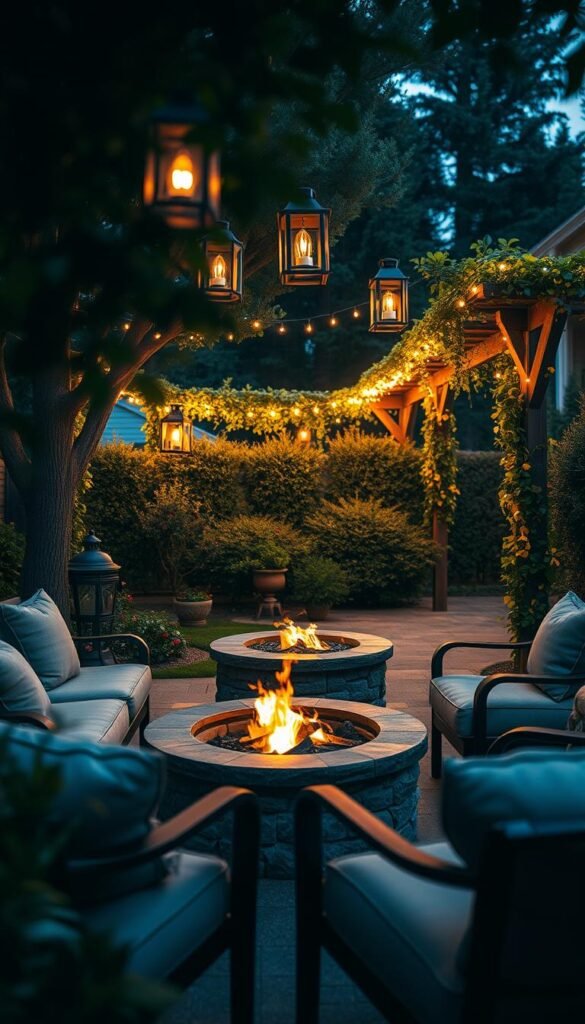
Think of your backyard transformed into a sanctuary with a central fiery focus. Even compact areas become inviting when you position a fire pit as the heart of your layout. This simple shift turns unused corners into magnetic spots for connection.
Your outdoor space works harder when designed for year-round use. Pair your heat source with weather-resistant seating and strategic greenery. These elements build a sheltered atmosphere that feels intentional, not accidental.
The radiant warmth does more than fight chill—it draws people closer naturally. You’ll notice conversations flow easier when everyone faces the dancing flames. Cooler evenings become opportunities rather than obstacles to staying outside.
Consider adding texture through thoughtful landscaping around your gathering spot. Low-maintenance plants frame the area without overwhelming it. Stone pathways or gravel borders keep the focus on your central feature.
Your retreat grows with you through seasons. Summer nights might feature s’mores, while autumn evenings showcase cider simmering over coals. The space stays relevant because it adapts to your needs while maintaining its welcoming core.
Choosing the Perfect Fire Pit Design
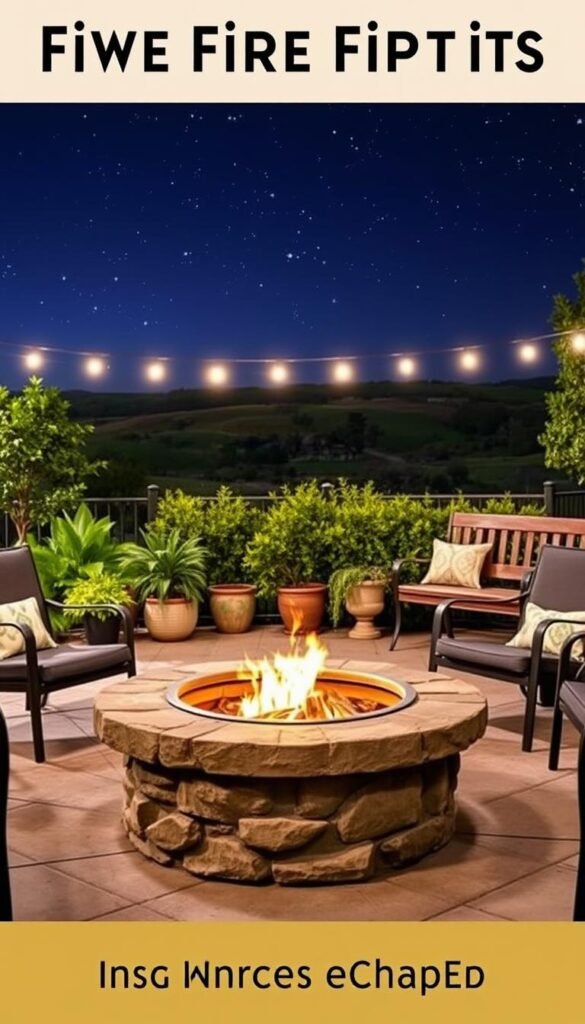
Your outdoor space deserves a centerpiece that reflects both your personality and practical needs. The right selection balances aesthetics with functionality, creating harmony between your landscape and lifestyle. Let’s explore how shape and placement options influence your experience.
Circular vs. Square Fire Pits
Round shapes create natural gathering spots where everyone faces inward, fostering connection. They’re ideal for uneven terrain or curved seating arrangements. Many find them simpler to build using uniform materials like river rocks or pavers.
Angular designs suit structured spaces with clean lines. These work well near rectangular patios or modern furniture layouts. Their sharp corners can define specific zones in larger yards while complementing geometric landscaping features.
In-Ground vs. Above-Ground Options
Sunken installations blend into your terrain, offering subtle warmth and wind protection. They often require professional excavation but create permanent focal points. For flexibility, consider portable elevated models that adapt to changing needs.
Your backyard fire pit ideas should align with how you entertain. Built-in stone circles might anchor a woodland retreat, while movable metal squares could serve urban rooftops. The best choice evolves with your space rather than restricting it.
Essential Materials for a Durable Fire Pit
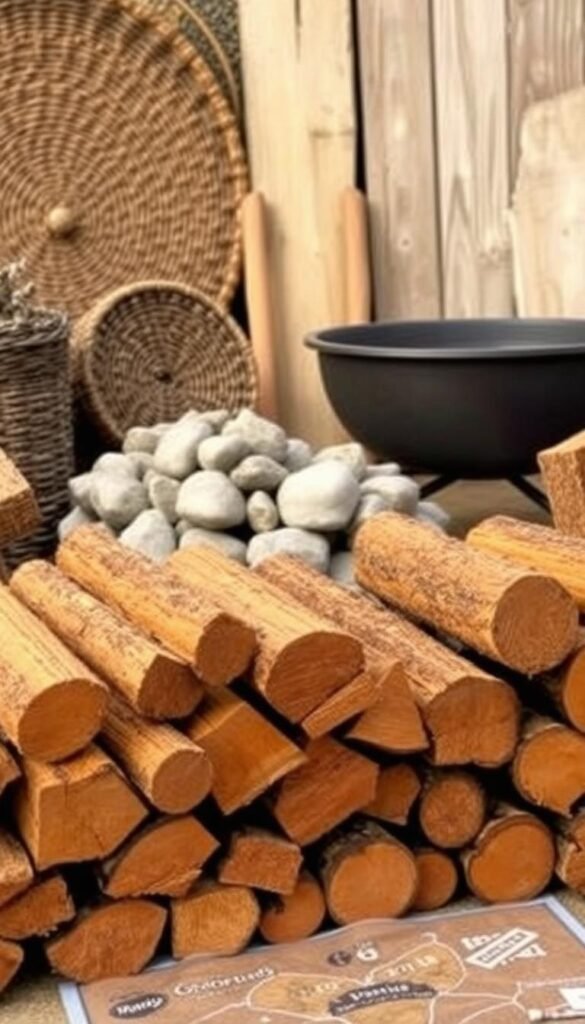
Building a long-lasting heat source starts with smart material choices. Fire-resistant stones like tumbled wall blocks form sturdy walls that withstand intense temperatures. For interior protection, specialized bricks create a critical barrier between flames and outer layers.
Your selection determines both safety and style. Retaining wall blocks offer rugged charm, while smooth river rocks deliver natural appeal. Pair these with steel reinforcement rings to prevent shifting and extend your structure’s lifespan.
| Material | Purpose | Best Use |
|---|---|---|
| Fire bricks | Interior lining | Direct flame contact areas |
| Steel rings | Structural support | Encircling stone walls |
| Lava rocks | Heat retention | Decorative filler layer |
| Paver base | Foundation stability | Ground preparation |
Don’t skimp on the base layer—gravel and sand prevent sinking while improving drainage. As landscape designer Mara Hoffman notes:
“A proper foundation turns a seasonal feature into a decade-spanning investment.”
Lava rocks serve dual purposes—they radiate warmth efficiently while creating that classic crackling ambiance. Choose darker hues to hide ash residue between cleanings.
Investing in quality components upfront saves money long-term. Materials that endure repeated heating cycles mean fewer replacements and safer operation. Your finished project becomes a reliable hub for connection, season after season.
DIY Fire Pit Projects for Budget-Friendly Creations
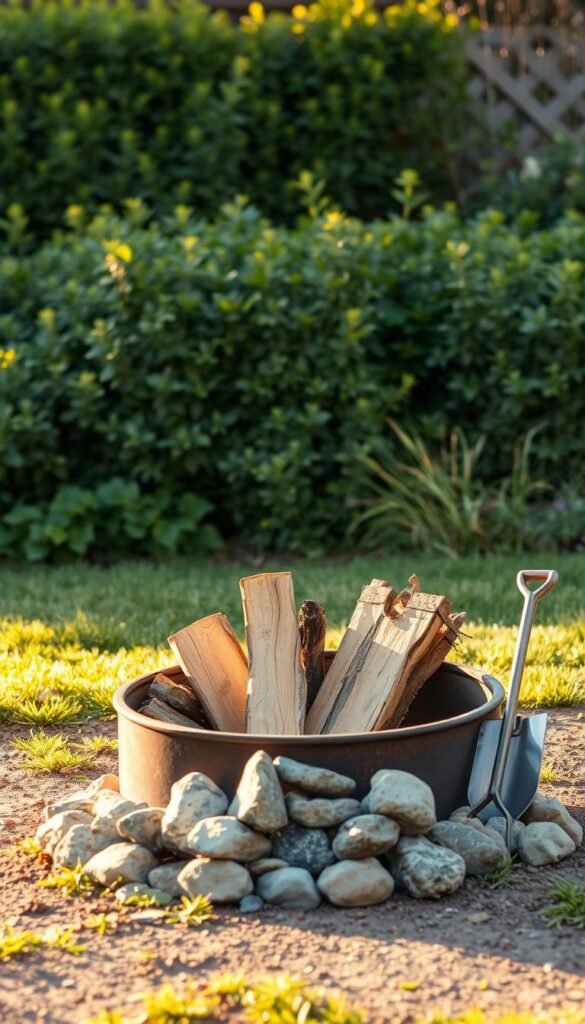
Building a custom gathering spot doesn’t require deep pockets—just smart material choices and a dash of ingenuity. With basic tools and salvaged components, you’ll craft a functional centerpiece that feels uniquely yours. The secret lies in seeing potential where others see scrap.
Step-by-Step Building Guide
Start by marking your desired shape and removing turf. Dig a 12-inch base layer, mixing gravel and sand for drainage. Stack stones or bricks in your chosen pattern, securing them with heat-resistant adhesive. As you build upward, check each level with a carpenter’s square.
For those seeking detailed plans, our budget-friendly outdoor projects guide offers multiple configurations. Metal rings add structural integrity to stone walls, while lava rock fillers boost heat reflection. Let cured concrete set overnight before testing your creation.
Using Repurposed Materials
Old washing machine drums make excellent burn chambers—their perforated sides enhance airflow. Retired wheelbarrows transform into portable fire bowls, perfect for rearranging your space. Even cracked ceramic planters find new life as decorative outer layers.
One homeowner’s trash becomes your treasure when repurposing:
- Discarded brewery kegs as rustic fire bowls
- Salvaged bricks arranged in sunburst patterns
- Concrete blocks painted with heat-resistant enamel
These unconventional choices often outperform store-bought kits. As urban gardener Lila Torres remarks:
“My upcycled fire pit gets more compliments than my patio furniture—it’s proof that creativity trumps cost.”
Fire Pit Garden Ideas Backyard: Cozy Designs for Evening Gatherings
A well-designed focal point can redefine how you experience your outdoor space after sunset. Modern rectangular installations create striking geometry against organic surroundings, while stacked stone circles echo natural formations. Glass-topped tables with hidden flames merge practicality with sophistication—ideal for small patios.
Your space becomes an extension of indoor comfort when pairing materials with existing hardscaping. Match slate tiles with matching surrounds, or contrast weathered brick with smooth concrete benches. Portable propane units let you experiment with layouts before committing to permanent builds.
Consider how wind direction affects smoke patterns when positioning your feature. Place seating areas upwind, using low walls or shrubs as natural barriers. This thoughtful placement ensures comfort during lively gatherings while maintaining clear sightlines to your home.
Integrate lighting subtly through recessed LED strips along the rim or solar-powered stakes along pathways. These touches enhance safety without overpowering the flames’ warm glow. As landscape architect Theo James notes:
“The best designs make the fire feel discovered, not installed.”
Explore creative gardening ideas to soften structural elements. Ornamental grasses swaying near heat sources add movement, while succulents in stone planters thrive in radiant warmth. Your setup evolves naturally with each season’s changing light and foliage.
Durable corten steel bowls develop rustic patinas over time, telling your space’s unique story. For temporary setups, try nesting copper fire bowls within existing garden beds. These adaptable solutions prove style and function coexist beautifully under the stars.
Designing a Comfortable Seating Area Around the Fire
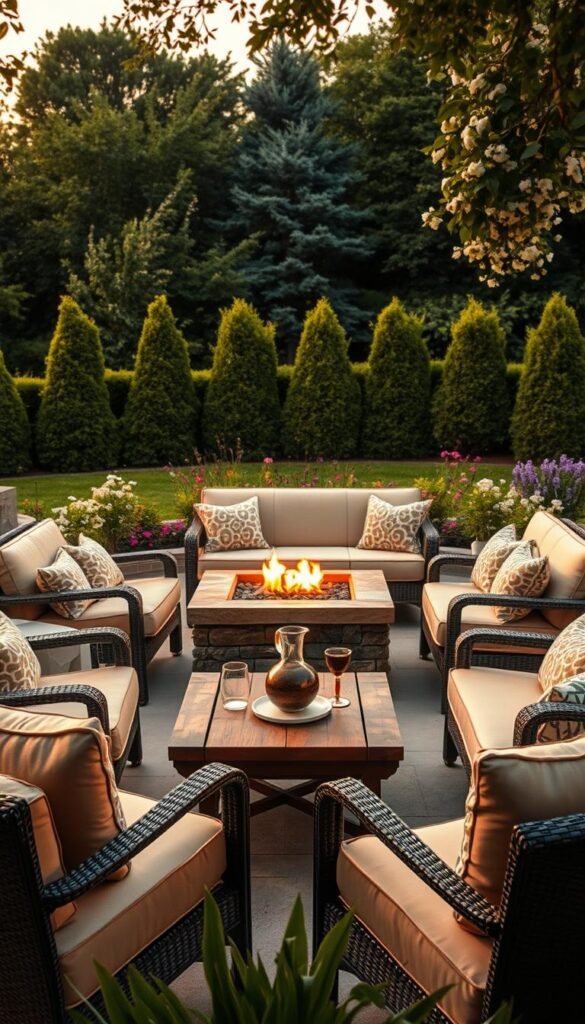
The right chairs transform your outdoor space into a welcoming retreat after sunset. Arrangement matters as much as style—smart layouts turn scattered seats into intentional gathering spots. Let’s explore how to balance aesthetics with practical warmth.
Seating Arrangements and Layouts
Curved rattan sofas create intimate circles perfect for relaxed conversations. Their organic shape mirrors the fire’s glow, while weather-resistant cushions add coastal charm. Pair them with potted palms for a tropical vibe that softens stone surfaces.
Bright Adirondack chairs inject playful energy into compact areas. Position them 7-10 feet from the flames—close enough for warmth, far enough to avoid smoke drift. Their sloped backs and wide arms hold drinks securely during lively chats.
Built-in benches with hinged seats offer hidden storage for blankets or kindling. Flank them with wire-framed chairs for contrast, creating visual depth. This mix accommodates large groups while keeping essential items within reach.
Consider these layout tips:
- Angle seats slightly inward to foster eye contact
- Leave 3-foot walkways between furniture clusters
- Use ottomans as extra perches that double as tables
Throws and weatherproof pillows extend usability into cooler nights. As designer Elena Martinez advises:
“Layer textures to make metal chairs feel plush and stone benches seem inviting.”
Rotate seating seasonally—lightweight aluminum stools for summer barbecues, deep-cushioned loveseats for autumn stargazing. Your space stays fresh while maintaining its magnetic pull toward the flames.
Incorporating Lighting for Ambiance
Light transforms spaces in magical ways after sunset. Strategic illumination turns functional areas into inviting destinations where memories form effortlessly. The right mix of brightness levels shapes moods, guiding eyes toward focal points while softening harsh edges.
String Lights and Lanterns
String lights work like fairy dust for outdoor spaces. Drape them along pergola beams or weave through tree branches to create starry ceilings. Their soft glow enhances your fire’s natural flicker without competing for attention.
Mix heights and intensities for depth. Hang lanterns at eye level near pathways, then place smaller ones on side tables. This layered approach builds visual intrigue while keeping walkways safe. You’ll notice how shadows dance differently across surfaces with each added light source.
| Light Type | Best Placement | Atmosphere Effect |
|---|---|---|
| String lights | Overhead structures | Festive canopy effect |
| Lanterns | Path edges/seating zones | Warm focal points |
| Fire features | Central position | Dynamic movement |
Choose bulbs wisely—warm white LEDs mimic firelight’s comfort. Solar-powered options save energy while automatically illuminating at dusk. For adjustable moods, install dimmers or separate switches controlling different zones.
Your lighting plan should evolve with the night. Brighten cooking areas early, then soften illumination as conversations deepen. This thoughtful progression makes gatherings feel effortless, letting the flames remain the evening’s true star.
Creative Outdoor Furniture and Accessory Ideas
Your outdoor sanctuary reaches its full potential when seating and accents work in harmony. Adirondack chairs bring classic charm, while modular sectionals adapt to any gathering size. Swing seats add playful motion, letting you sway gently as flames dance nearby.
Multi-functional pieces prove essential in compact areas. Storage benches keep blankets dry during surprise showers, doubling as extra perches when friends arrive. Choose materials like powder-coated steel or teak that withstand sun and rain without losing their appeal.
Blend textures to elevate your style – think woven rattan side tables paired with smooth concrete stools. For cohesive design, repeat colors from your flame feature in throw pillows or ceramic planters. Explore mixing eras with ornate metal lanterns beside sleek lounge chairs.
Weather-resistant cushions in earthy tones create comfort without clashing with natural surroundings. Arrange seating 6-8 feet from the heat source for ideal warmth distribution. Your choices should invite lingering conversations while reflecting personal taste through intentional details.