Your outdoor space deserves a layout that matches your personality. Whether you crave crisp lines or free-flowing blooms, garden design starts with understanding two distinct approaches. One offers structured elegance, while the other celebrates nature’s spontaneity.
Structured layouts focus on symmetry and balance. Think neatly trimmed hedges and geometric patterns that frame walkways. This type creates a polished look perfect for complementing traditional architecture. Maintenance is predictable, with clear guidelines for pruning and shaping.
Relaxed arrangements, on the other hand, let plants take center stage. Flowers mingle freely, spilling onto paths and softening edges. This organic style feels welcoming and dynamic, evolving naturally through the seasons. It’s ideal if you prefer a low-fuss, ever-changing display.
Your choice impacts more than aesthetics. It affects how you interact with your space—from planting decisions to weekly upkeep. Do you love orderly routines or embrace a little wildness? The answer shapes your garden’s character and your enjoyment of it.
This guide breaks down everything you need to choose wisely. We’ll explore plant options, time commitments, and design tricks to make your vision thrive. Let’s find the perfect match for your lifestyle.
Understanding Garden Border Styles

The foundation of any memorable outdoor area lies in its borders. These edges shape your space’s personality, guiding both eye movement and foot traffic. Let’s examine two distinct philosophies that transform ordinary plots into living art.
Defining Formal Border Designs
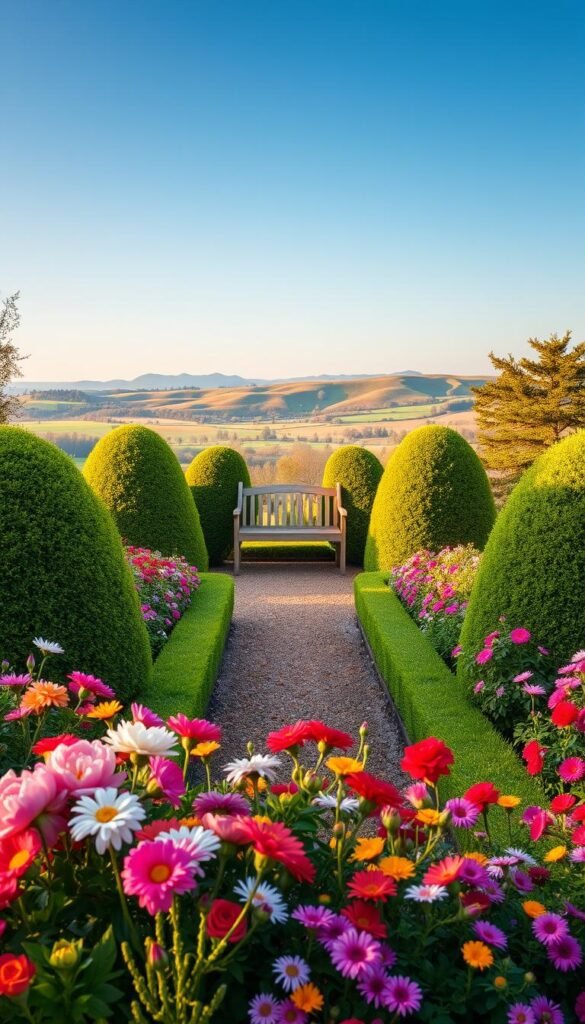
Geometric precision rules here. Picture boxwood hedges trimmed into crisp rectangles or circles framing symmetrical flower beds. Straight pathways act as visual anchors, while repetition of plants creates rhythm. This approach thrives with:
- Manicured evergreens that hold shape year-round
- Uniform color palettes emphasizing cohesion
- Architectural elements like stone urns or metal obelisks
Maintenance matters more in these spaces. Weekly pruning keeps lines sharp, and seasonal replanting ensures flawless displays.
Exploring Casual Cottage Concepts
Here’s where nature takes the lead. Imagine hollyhocks leaning over pebbled walkways while thyme creeps between stepping stones. Key features include:
- Layered plantings that hide bare spots
- Self-seeding blooms that pop up unexpectedly
- Edible herbs woven among flowers
This style celebrates imperfections—a broken terracotta pot becomes a planter, and weathered benches invite lingering. It’s perfect for those who enjoy surprises as plants shift with sunlight and rainfall.
The Historical Inspirations Behind Garden Borders

Gardens tell stories through their borders, shaped by centuries of cultural traditions. From practical colonial plots to romantic English landscapes, these edges reveal how different societies interacted with nature. Let’s dig into four influential styles that continue inspiring modern spaces.
Colonial and English Roots
Early American settlers prioritized survival over aesthetics. Their gardens featured four-square layouts with raised beds for vegetables and medicinal herbs. Crushed clamshell paths bordered practical plantings—a look you can recreate using gravel or mulch today.
Across the Atlantic, English cottage gardens burst with joyful chaos. Roses climbed wooden arbors while herbs spilled onto winding cottage garden paths. This style embraced beauty and utility, letting plants mingle freely—a perfect choice if you love surprises in your landscape.
Mediterranean and Japanese Fusion
Sun-drenched Mediterranean designs bring structure to warm climates. Think tiered fountains surrounded by aromatic rosemary and sculptural Italian cypress. Stone urns and gravel walkways add timeless elegance, even in non-Mediterranean regions.
“The best gardens borrow ideas freely—a Japanese maple can stunningly frame a Tuscan-style patio.”
| Style | Key Features | Modern Adaptations |
|---|---|---|
| Mediterranean | Terra cotta pots, stone walkways | Drought-tolerant plants |
| Japanese | Symbolic water elements, pruned maples | Miniature rock gardens |
Japanese traditions teach us to see meaning in simplicity. A single stone lantern beside a koi pond creates calm. Limited plant palettes—think azaleas and hostas—keep the focus on intentional design. These elements work beautifully in small urban spaces seeking tranquility.
Key Elements of Formal Garden Designs

Creating a refined outdoor environment begins with mastering core design principles. Formal spaces thrive on intentional arrangements that command attention while maintaining harmony. These structured landscapes transform ordinary yards into elegant extensions of your home’s architecture.
Mirror Images and Geometric Foundations
Symmetry acts as your secret weapon for instant visual impact. Imagine twin yew hedges flanking a central fountain or matching perennial beds along a walkway. This mirroring technique creates rhythm while making spaces feel larger and more organized.
Straight pathways lined with boxwood guide movement through the space. Rectangular lawns and circular planting beds anchor the layout, offering crisp contrasts against softer plant textures. Mathematical precision ensures each element relates proportionally to neighboring features.
Artistic Accents That Elevate Spaces
Sculptural elements turn functional areas into open-air galleries. Stone urns overflowing with ivy draw eyes upward, while classical columns frame scenic vistas. Topiaries shaped into spirals or cubes serve as living artwork that evolves with the seasons.
Water features break the silence with gentle splashes while reflecting sunlight. A tiered fountain becomes the heart of your layout, its movement softening rigid lines. Pair still pools with flowering aquatic plants for textural interplay.
“A well-executed formal space feels both grand and intimate,” notes landscape architect Elena Carter. “It’s about creating rhythm through repetition.”
These design choices work together to craft spaces that feel timeless. Gravel surfaces crunch underfoot, adding tactile interest to precise layouts. Every detail contributes to an atmosphere of curated beauty that withstands passing trends.
Embracing the Relaxed Appeal of Casual Garden Borders

Imagine a space where blossoms tumble freely and foliage dances in the breeze. Casual designs celebrate life’s imperfections, inviting spontaneity while maintaining hidden order. This approach thrives on creativity, letting you blend beauty with practicality.
Flowing Lines and Organic Shapes
Curved edges mimic nature’s handiwork, guiding visitors through your landscape like a winding country lane. Instead of ruler-straight lines, let beds follow slopes or existing trees. Softened pathways edged with creeping thyme or moss create a lived-in charm that feels inviting.
Layered plantings hide bare soil naturally. Tall foxgloves lean over shorter daisies, while trailing nasturtiums spill onto walkways. This creates depth without rigid planning, allowing each season to unveil new surprises.
Mixing Colorful Plants and Textures
Combine feathery grasses with velvety lamb’s ear for tactile contrast. Bright zinnias pop against silvery artemisia, while purple sage adds depth to golden marigolds. Edibles like kale or rainbow chard bring unexpected hues to flower beds.
Self-seeding varieties like cosmos or poppies fill gaps with cheerful volunteers. Vintage watering cans or repurposed ladders add personality, turning functional items into art. As one gardener notes, “My grandmother’s rusty wheelbarrow now hosts strawberries—it’s where memories bloom.”
| Plant Type | Texture | Color Impact |
|---|---|---|
| Tall Phlox | Bushy | Pink/White Clusters |
| Lamb’s Ear | Fuzzy | Silver-Green |
| Feather Reed Grass | Spiky | Golden Plumes |
| Nasturtium | Rounded Leaves | Fiery Orange/Red |
This style works beautifully for those who enjoy blending chaos and structure. Let mint weave through daisies, or allow hollyhocks to tower over thyme. The result? A vibrant tapestry that changes daily, reflecting your unique touch.
Formal vs. casual cottage garden borders: deciding which suits your style

Your landscape’s personality starts with honest evaluation. Walk outside and observe sunlight patterns, soil quality, and existing features. These elements shape what thrives in your unique environment.
Assessing Your Space and Aesthetic Needs
Compact areas shine with layered plantings that disguise boundaries. Mix heights and textures to create depth—think feathery grasses behind sprawling geraniums. This approach turns tight corners into lush retreats without rigid structure.
Larger properties often crave definition. Straight pathways or symmetrical hedges can organize expansive lawns. Match these choices to your home’s exterior—a modern facade pairs well with clean lines, while rustic cottages beg for billowing blooms.
Maintenance and Practical Considerations
High-maintenance layouts demand weekly attention. Clipped hedges need trimming, and formal flower beds require seasonal replanting. One homeowner admits, “I swapped my rose maze for lavender—now Saturday mornings are mine again.”
Relaxed planting schemes reward patience. Self-seeding annuals fill gaps naturally, and native perennials withstand local weather. Save time by choosing plants that thrive in your region’s conditions without constant fuss.
Integrating Garden Layout Elements and Design Techniques
The secret to a cohesive outdoor space lies in balancing structure and nature. Thoughtful combinations of hardscape materials and plant choices define your yard’s functionality while enhancing its charm. Let’s explore how to blend practical elements with creative flair.
Pathways That Shape Movement
Gravel offers versatility for any design scheme. Colonial-inspired crushed shells or modern pea gravel create crunch-underfoot textures. These materials control weeds naturally while allowing rainwater to seep through—ideal for eco-conscious spaces.
| Style | Materials | Best Use |
|---|---|---|
| Formal | Cut stone, brick | Straight walkways |
| Casual | Flagstone, gravel | Curving trails |
For a whimsical touch, edge paths with creeping thyme or moss. This softens edges and releases fragrance when stepped on—perfect for cottagecore-inspired spaces.
Shrubs as Living Architecture
Mock orange and lilac add height and fragrance to borders. Place taller varieties like smokebush behind flowering plants to create depth. These woody anchors reduce maintenance by crowding out weeds.
Remember: Your choices evolve over time. A gravel path might sprout self-seeded violets, while shrubs mature into natural privacy screens. Embrace these changes—they’re proof your design truly lives.
Practical Buyer’s Guide Tips for Garden Border Success
Smart planning turns dreamy sketches into thriving reality. Let’s break down essential steps to create edges that work with your lifestyle and budget.
Budgeting and Material Selection
Quality materials save money long-term. Crushed gravel paths last years longer than cheap mulch. Metal edging keeps crisp lines without warping. For container displays, choose frost-proof pots that survive winter.
Start small if you’re new to garden design. Test one 10-foot section with your chosen plants and hardscape. You’ll quickly learn what thrives in your soil and sunlight.
Installation Techniques and Upkeep Strategies
Formal layouts demand exact spacing—use string lines and stakes. Casual plantings let you eyeball distances. Leave room between perennials for future growth, especially near walkways.
Match maintenance to your schedule. Drought-tolerant lavender needs less water than thirsty hydrangeas. Native grasses thrive with minimal care while exotic species demand attention.
| Material | Cost | Lifespan |
|---|---|---|
| Stone Edging | $$$ | 15+ years |
| Pressure-Treated Wood | $$ | 5-7 years |
| Recycled Rubber | $ | 10 years |
Remember: Your goals shape everything. A family play area needs sturdy borders, while a meditation corner benefits from soft moss edges. Let functionality guide your final choices.
Personalizing Your Garden Border Experience
Your garden reflects who you are—don’t be afraid to let it speak your language. Blending elements from different aesthetics creates spaces that feel authentically yours. Whether you lean toward cottage charm or contemporary flair, mixing styles adds depth and character.
Mixing Styles to Create Your Unique Outdoor Space
Start by pairing contrasting textures and materials. A weathered wooden bench beside sleek metal planters bridges rustic and modern vibes. Try trailing ivy in geometric containers or placing reclaimed bricks near polished stone features.
Neutral tones like sage or terracotta help unify diverse elements. Add pops of color with bold cushions on vintage seating or vibrant flowers in concrete pots. For a playful touch, repurpose flea market finds—think teacup succulents or ladder herb gardens.
Remember: Great design thrives on balance. Let one style dominate while others accent. A cottage-style border gains edge with industrial lighting, while structured layouts soften with billowing grasses. Your space should evolve as you discover what sparks joy.
There’s no rulebook—only opportunities to experiment. Swap plants, rearrange decor, and let seasons inspire new combinations. After all, the best gardens grow alongside their creators.