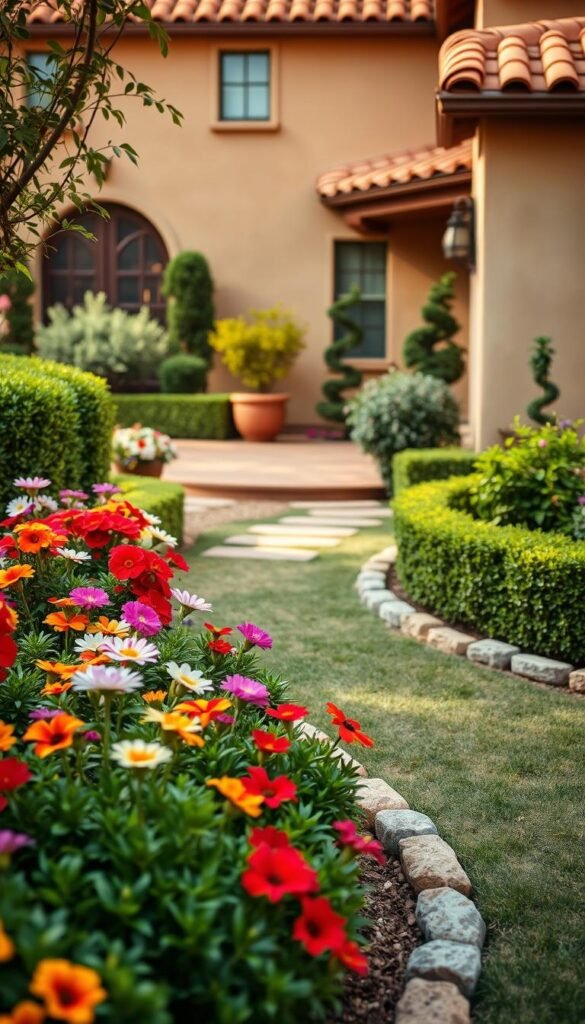
Well-defined borders act as the finishing touch that elevates your property’s visual harmony. These functional accents organize planting areas while adding character to your landscape. When chosen intentionally, they bridge the gap between architecture and nature for a polished presentation.
The secret lies in selecting materials that echo your house’s unique personality. A cottage-style residence shines with irregular stonework, while sleek metal strips complement modern facades. Consider textures and colors that already exist in your shutters, roofing, or walkways.
Durability matters as much as appearance. Concrete curbing withstands harsh winters in Michigan, whereas southern properties might opt for heat-resistant composite materials. Budget-friendly options like brick pavers or reclaimed wood offer versatility for DIY enthusiasts.
Your choices directly impact perceived property value. A survey by the National Association of Realtors shows 63% of homebuyers prioritize landscape quality. Cohesive edging solutions create immediate visual continuity that appeals to both residents and potential buyers.
Identifying Your Home’s Exterior Style and Outdoor Space
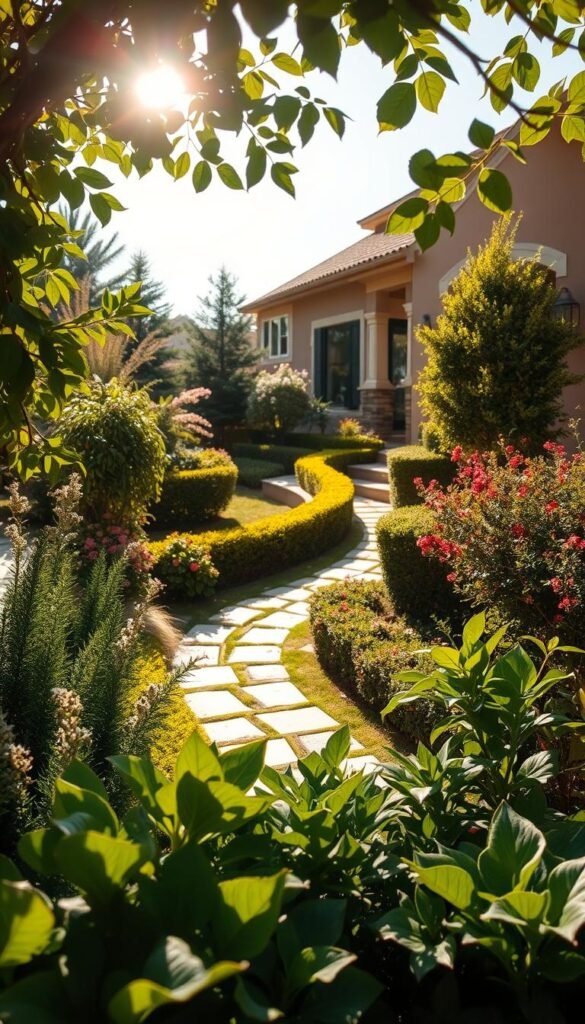
Your residence tells a story through its shape and surroundings. Start by examining rooflines, window frames, and door designs – these architectural signatures hold clues for choosing complementary edging solutions.
Decoding Structural Features
Classic columns demand crisp brickwork, while expansive glass walls sing with powder-coated aluminum strips. Farmhouse porches find perfect partners in weathered timber logs. Let your property’s era and materials guide material selection.
Mapping Existing Features
Walkways and patios already establish patterns in your yard. Repeating these shapes in bordering creates rhythm. Notice if your deck uses warm cedar tones or cool slate grays – echo these hues in adjacent planting areas.
| Property Type | Key Characteristics | Material Pairings |
|---|---|---|
| Traditional Colonial | Symmetrical layout, brick facade | Cast concrete, clay pavers |
| Mid-Century Modern | Angular lines, floor-to-ceiling windows | Corten steel, geometric stone |
| Country Cottage | Mixed textures, curved pathways | River rocks, reclaimed railroad ties |
For those blending eras, consider mixing vintage and modern elements in your borders. A concrete planter beside weathered cobblestones bridges past and present beautifully.
How to match garden borders edging to your home’s exterior style
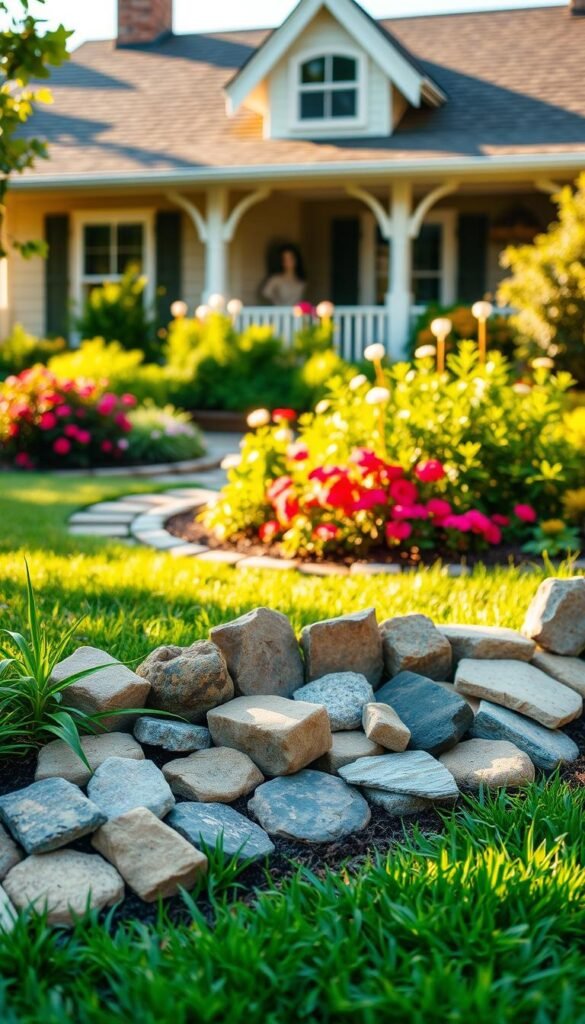
Landscape edges gain personality when materials mirror structural elements of your house. This alignment creates visual conversations between architecture and nature. Start by evaluating textures and colors in existing features like chimneys or porch columns.
Material Pairing Strategies
Brick brings classic charm to colonial and craftsman properties. Reclaimed varieties add rustic character, while fresh red clay offers crisp definition. For cottages or farmhouses, wood provides warmth that blends with natural surroundings.
| Material | Best For | Key Benefits |
|---|---|---|
| Brick | Traditional homes | Weather-resistant, timeless |
| Wood | Rustic properties | Organic texture, easy shaping |
| Stone | All styles | Durable, versatile shapes |
| Metal | Modern designs | Clean lines, low upkeep |
| Concrete | Custom needs | Moldable, color options |
Concrete stands out for contemporary spaces needing curved shapes. Precast sections simplify installation, while poured versions allow unique patterns. Metal strips work wonders in angular modern yards, resisting rust in humid climates.
Natural stone adapts to any design scheme. Use slate slabs for geometric layouts or fieldstones for free-form beds. Durability meets flexibility with this option, especially in regions with extreme weather shifts.
DIY Garden Edging Ideas and Material Selection
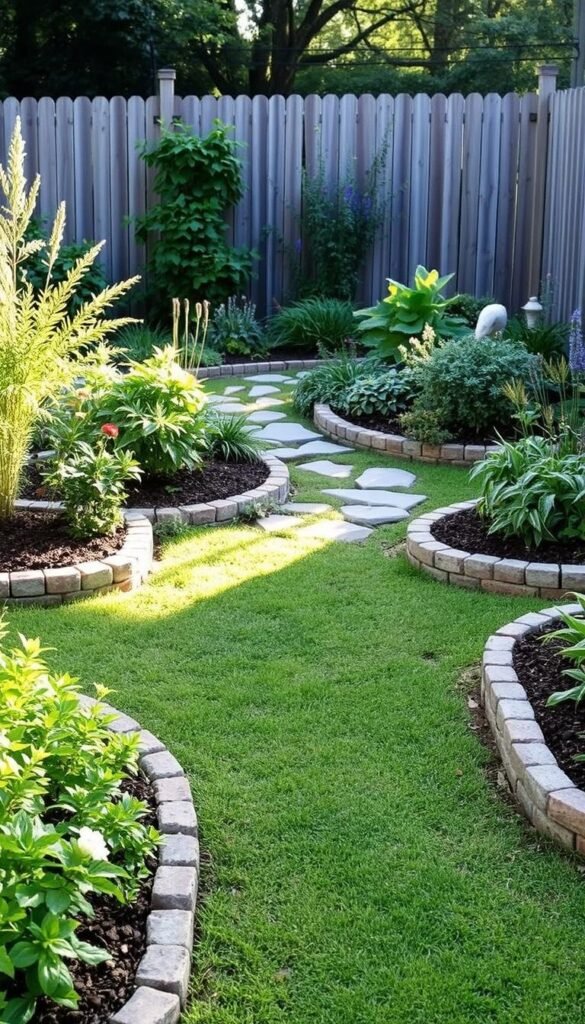
Transform your landscape with creative solutions that blend functionality and personal flair. Whether you’re crafting rustic charm or modern elegance, material choices set the stage for cohesive design. Let’s explore options that turn practical borders into artistic statements.
Budget-Friendly and Upcycled Options
Turn everyday items into eye-catching borders. Glass bottles buried neck-down create shimmering edges that catch sunlight. Old tires cut into zigzag patterns add playful curves to planting beds. These projects cost little but deliver big visual impact.
Reclaimed wood steals the show in cottage-style yards. Pallet planks stained earthy tones blend with wildflower beds. For structured spaces, arrange terracotta pots diagonally along pathways. A coat of weatherproof paint ties them to your shutters or door color.
Classic Materials: Brick, Stone, Wood and More
Timeless options offer reliability and style flexibility. Brick remains a favorite for its warm hues and clean lines. Stack them vertically for contemporary flair or lay horizontally for traditional appeal.
| Material | Best Use | Maintenance |
|---|---|---|
| Brick | Formal beds, curved paths | Annual weed control |
| River Rock | Sloped areas, rain gardens | Occasional rinsing |
| Cedar Logs | Wildflower borders, veggie plots | Replace every 5-7 years |
| Concrete | Geometric designs, modern spaces | Seal every 3 years |
Natural stone adapts to any climate. Flat flagstone creates neat edges, while jagged limestone adds rugged texture. For quick updates, press pre-cast concrete blocks into soil – they mimic carved stone at half the cost.
Enhancing Garden Beds, Pathways, and Outdoor Areas
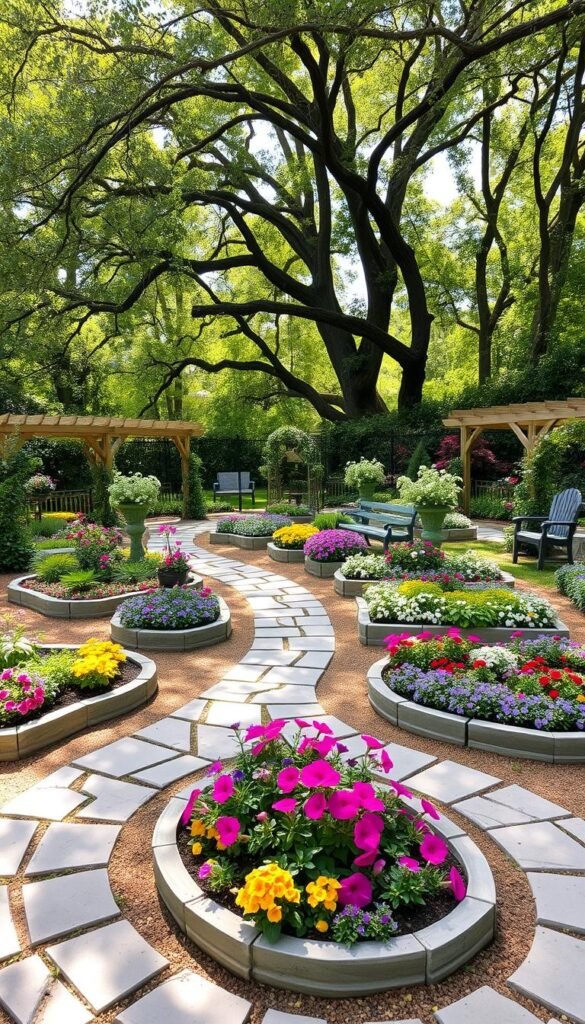
Thoughtful border designs transform ordinary spaces into intentional landscapes. Beyond framing plants, they organize your property’s flow and highlight its best features. Let’s explore how to balance practicality with artistic expression.
Designing Functional Garden Borders
Smart edging solves common challenges while boosting curb appeal. Sturdy materials like stone or composite lumber keep mulch from washing away during storms. Deeper-set borders block invasive grass roots from invading flower beds.
Raised beds offer creative control over soil composition. Line them with rot-resistant cedar to grow acid-loving plants like blueberries, even in alkaline soils. Curved concrete edges around seating areas define social zones while complementing modern home facades.
Mixing Patterns and Colors for Impact
Contrast creates visual energy. Pair smooth river rocks with spiky ornamental grasses, or lay zigzag brick patterns beside rounded shrubs. Texture play draws attention to architectural details like arched windows or stone chimneys.
Match edging hues to your front door for instant cohesion. A slate-gray border echoes steel roof panels, while terracotta ties into clay roof tiles. For elevating your outdoor space, blend two complementary materials – try copper strips alongside bluestone for warm-cool balance.
Modern vs. Traditional Garden Edging Techniques
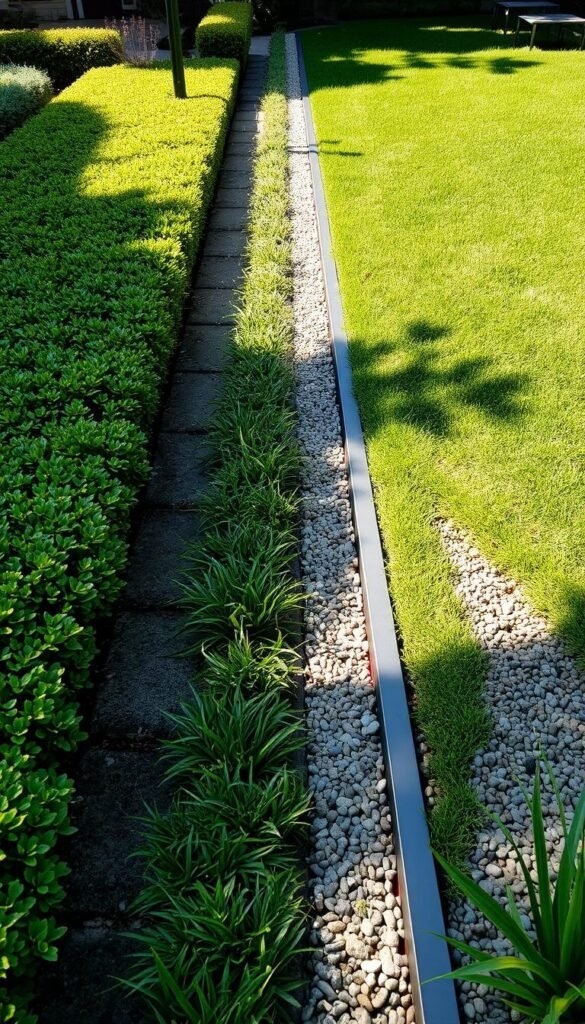
Edging choices shape your landscape’s character as much as its plants do. Today’s options range from cutting-edge innovations to heritage-inspired designs, each offering distinct advantages. Let’s examine how different approaches create unique atmospheres in outdoor spaces.
Exploring Contemporary Styles
Modern garden solutions thrive on minimalism and innovation. Powder-coated aluminum strips create razor-sharp boundaries that withstand heavy foot traffic. For nighttime drama, try embedding solar-powered LED strips along pathways – they store sunlight by day and cast soft glows after dusk.
Corrugated metal brings industrial flair to urban spaces. Its rippled texture contrasts beautifully with smooth concrete walkways. These materials work well in geometric layouts, particularly with angular shrubs or ornamental grasses.
Blending Old and New Aesthetics
Combine time-tested materials with modern twists for transitional appeal. Stack bricks vertically around circular flower beds, or pair natural stone with glowing rope lighting. This fusion maintains classic charm while adding contemporary functionality.
| Technique | Materials | Best For |
|---|---|---|
| Modern | Corten steel, concrete forms | Angular architecture |
| Traditional | Fieldstone, clay pavers | Historic properties |
| Hybrid | Brick + LED lighting | Transitional designs |
Industrial-style homes benefit from concrete edges with exposed aggregate finishes. The raw texture complements steel beams or large glass windows. For softer transitions, use weathered wood alongside smooth river rocks – this combo feels both grounded and fresh.
Tips for Installation, Maintenance, and Lasting Appeal
Great edging starts with smart groundwork. Before grabbing your shovel, sketch your design and gather tools. This planning phase saves time and ensures crisp lines that enhance your landscape’s structure.
Step-by-Step Installation Guidance
Start by marking your desired edge with spray paint or string. Remove grass and weeds to create a clean workspace. For brick installations:
- Dig a 3-4″ trench (one-third brick height)
- Add 1″ compacted sand base
- Set bricks tightly, tapping with rubber mallet
Natural stone needs level soil and occasional gravel filler between pieces. Metal strips require precise trenching – keep stakes every 24″ for wind resistance. Pro tip: Angle edging slightly outward to deflect mulch during rains.
| Material | Installation Depth | Base Layer | Maintenance |
|---|---|---|---|
| Brick | 4 inches | Compacted sand | Re-level annually |
| Stone | Varies by size | Gravel bed | Pressure wash biannually |
| Metal | 2.5 inches | None required | Check stakes yearly |
| Wood | 6 inches | Crushed stone | Replace rot sections |
Maintain edges by refreshing mulch each spring and raking gravel back into place. For metal or concrete options, use a stiff brush to remove dirt buildup. Quick fix: Sprinkle diatomaceous earth along borders to deter slugs without chemicals.
Wrapping Up Your Ideal Garden Edging Style
Your landscape’s final flourish lies in the details. Thoughtful edging choices unify your property’s aesthetic while serving practical needs. By aligning materials with architectural character, you craft outdoor spaces that feel intentional and inviting.
Experiment with textures and colors to discover what works well in your unique setting. Classic brick offers timeless appeal, while metal strips deliver modern crispness. For inspiration, explore creative solutions that balance form and function.
Quality materials reward you through seasons. Durable stone edges withstand foot traffic, while treated wood resists rot near flower beds. These choices simplify upkeep while letting plants thrive in defined zones.
Remember – your design can evolve. Start with simple borders, then layer in decorative elements as your confidence grows. The right edging transforms ordinary yards into curated landscapes that reflect personal style and enhance daily enjoyment.