
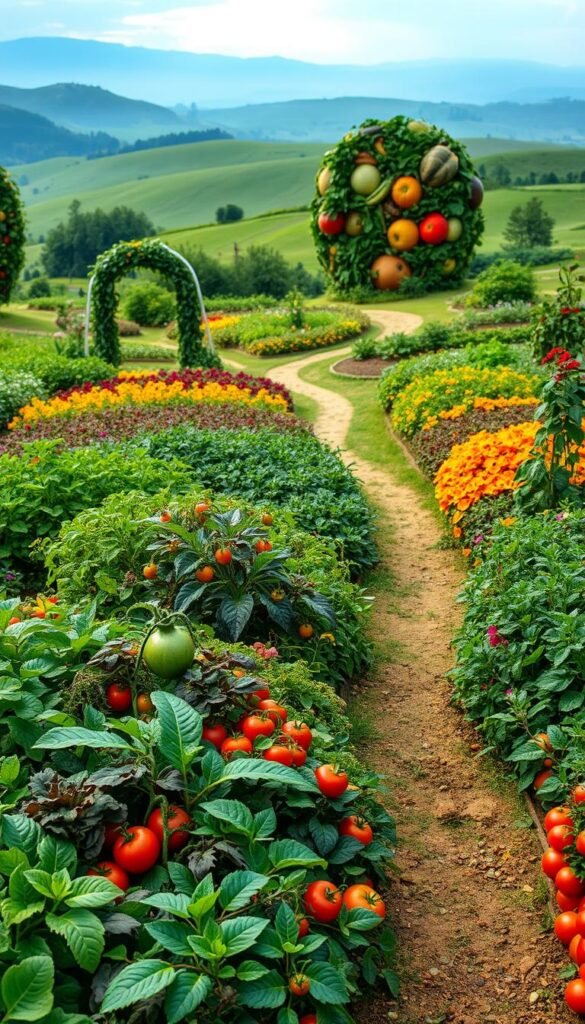
Imagine stepping into a space where vibrant colors meet fresh flavors. Edible landscaping turns ordinary yards into living pantries without sacrificing style. This innovative approach mixes food-producing plants with decorative designs, creating spaces that delight your senses and nourish your table.
The best part? Fruit trees can frame your patio, while rosemary bushes double as fragrant borders. Kale varieties with ruffled leaves add texture, and strawberry plants spill from containers like floral arrangements. Your garden becomes both a snack zone and a conversation starter.
More homeowners are embracing this trend for its practical beauty. You get fresh ingredients steps from your kitchen while supporting local ecosystems. Even small spaces thrive with vertical herb walls or compact berry shrubs that dazzle with seasonal changes.
You’ll discover how to pair productive plants with design-smart layouts. We’ll show you which varieties offer the best visual impact and share tips for maintaining year-round interest. Transform your outdoor area into a feast for the eyes and the plate—no landscape degree required.
Planning Your Veggie Garden Landscape
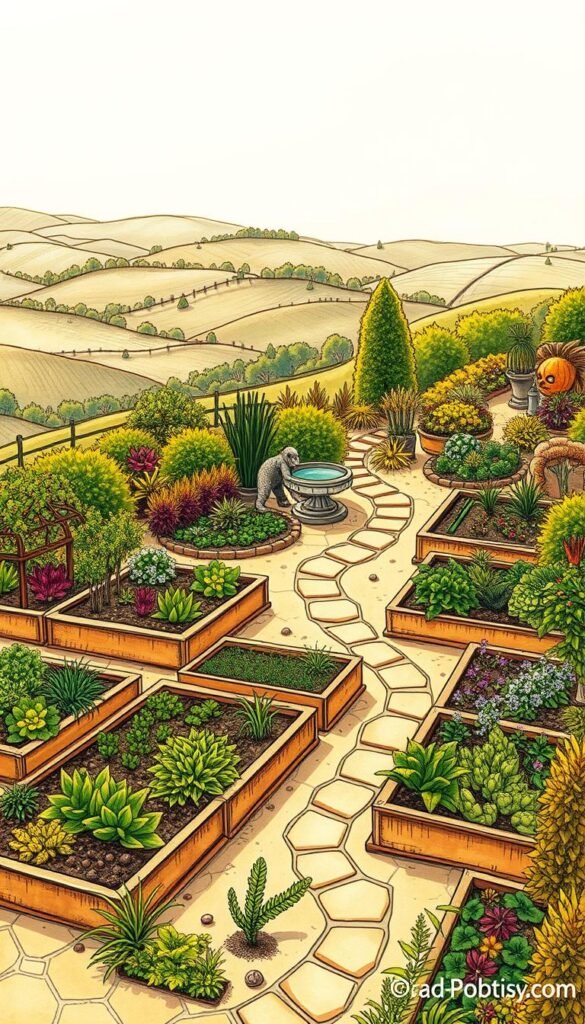
A thriving edible landscape starts with smart preparation. Let’s transform your outdoor area into a productive oasis while keeping aesthetics in mind.
Mapping Your Outdoor Space and Assessing Climate
Begin by sketching your yard’s layout. Note permanent features like trees or sheds that create microclimates. In warm regions like Jacksonville, citrus trees thrive alongside heat-loving tomatoes and herbs.
Track sunlight patterns for 3 days. Most veggies need 6-8 hours of direct sun. Use free apps to log shade changes or mark sunny spots with stakes. Pro tip: Morning light is gentler than harsh afternoon rays.
Evaluating Sunlight, Soil, and Space Requirements
Test your soil’s pH and nutrients using a $10 kit from gardening stores. Sandy soils drain quickly but need compost, while clay holds moisture longer. For small spaces, try vertical planters or dwarf fruit trees.
Consider these essentials:
- Water access within 15 feet of beds
- Paths wide enough for wheelbarrows (at least 2.5 feet)
- Mature plant sizes to prevent overcrowding
Remember, elevating your space combines practicality with beauty. Blueberry bushes make stunning hedges, while scarlet runner beans climb trellises with fiery blooms. Plan wisely, and your home harvest will flourish.
Selecting Your Edible and Ornamental Plants
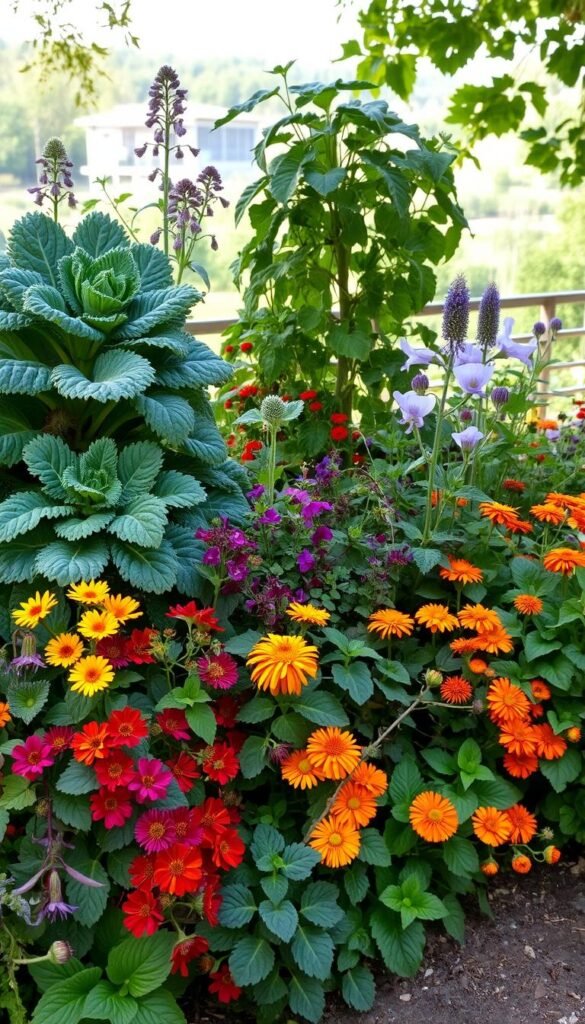
The secret to a stunning edible landscape lies in strategic plant selection. Focus on varieties that pull double duty – nourishing your family while enhancing your yard’s visual rhythm.
Edible Options: Vegetables, Fruits, and Herbs
Rainbow chard steals the show with neon stems that glow against green foliage. Pair it with dinosaur kale’s crinkled blue-green leaves for contrasting textures. These vegetables deliver bold visuals alongside vitamins.
Nasturtiums explode in sunset hues while offering peppery blooms for salads. Tuck rosemary into borders – its fragrant sprigs season meals and form natural hedges when trimmed. Dwarf citrus trees work wonders in containers, bearing fruits alongside fragrant blossoms.
Ornamental Choices: Flowers, Shrubs, and Design Accents
Lavender’s purple spikes complement herb gardens while deterring pests. For vertical drama, train climbing roses over arbors near berry patches. Silver-leaved artemisia adds moonlight shimmer to ornamental plants arrangements.
Incorporate a cottagecore aesthetic with foxgloves towering behind strawberry beds. Ornamental grasses like feather reed grass sway beside lettuces, creating movement. Always choose native flowers that thrive in your region for low-maintenance beauty.
How to Integrate Edible and Aesthetic Elements in Veggie Garden Design
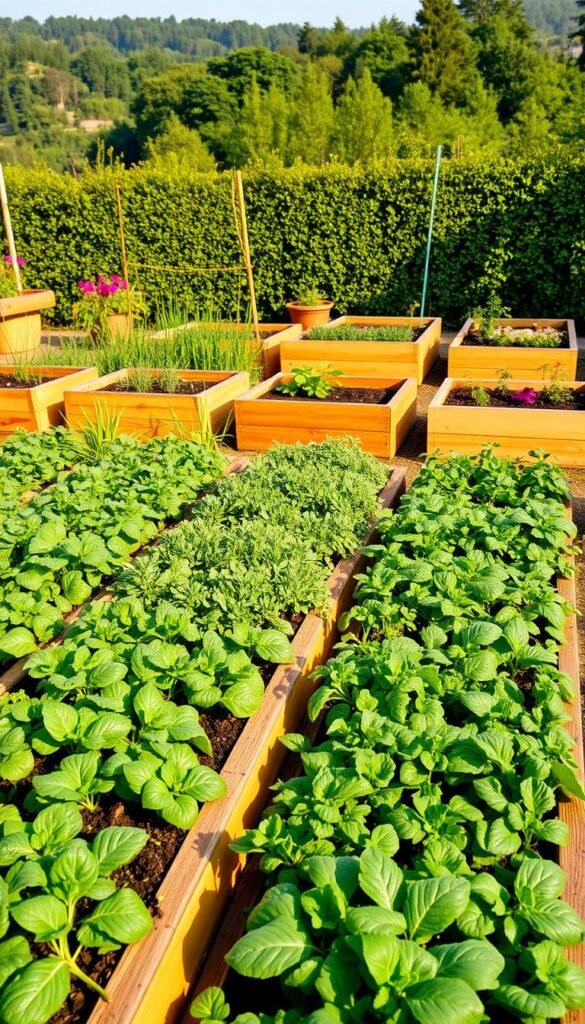
Transform your yard into a living masterpiece that feeds both body and soul. Smart layouts turn practical growing food zones into eye-catching features, proving utility and elegance aren’t mutually exclusive.
Designing Dual-Purpose Garden Areas
Create zones that work overtime. A curved herb spiral becomes a sculptural centerpiece, while bean-covered arches frame seating nooks. Use stone-edged paths to guide visitors through lush lettuce displays and flowering thyme borders.
Mix textures for maximum impact. Feathery carrot tops contrast with glossy cabbage leaves, and scarlet strawberries pop against mint’s deep green. Stagger plant heights to build natural layers that hide veggie patches within ornamental landscaping.
Incorporating Raised Beds and Vertical Garden Solutions
Raised beds solve multiple challenges at once. They prevent soil compaction, extend your growing season, and let you customize soil blends for specific crops. Try these popular configurations:
| Material | Benefits | Best For |
|---|---|---|
| Cedar | Natural rot resistance | Perennial herbs |
| Galvanized Steel | Modern aesthetic | Urban spaces |
| Composite | Low maintenance | Wet climates |
Go vertical to multiply your harvests. Cucumbers climb obelisks beside patio chairs, while pocket planters on fences hold trailing nasturtiums. Even small balconies flourish with wall-mounted planters for cherry tomatoes and edible flowers.
Remember: every element should serve two roles. A trellis isn’t just support for peas—it’s a living privacy screen. Your design choices become the secret sauce that makes growing food feel like curated art.
Hardscaping and Companion Planting Strategies
Your garden becomes a living ecosystem when structure meets strategy. Thoughtful layouts and plant partnerships create spaces where beauty and productivity grow side by side.
Using Trellises, Pathways, and Sustainable Materials
Build garden bones that last. Reclaimed bricks make charming walkways, while cedar trellises support climbing beans and morning glories. These elements guide visitors while defining planting zones.
Try these eco-friendly options:
| Material | Use Case | Eco-Benefit |
|---|---|---|
| Recycled concrete | Stepping stones | Diverts landfill waste |
| Bamboo poles | Bean supports | Rapidly renewable |
| Salvaged metal | Edging | Reduces mining demand |
Pathways do more than prevent muddy shoes. Curved gravel routes create flow between berry shrubs and flower beds. For urban spaces, vertical cedar screens hide compost bins while hosting hanging herb planters.
Enhancing Growth with Smart Companion Planting
Plants have best friends too. Marigolds shield tomatoes from root-knot nematodes, while basil improves pepper flavor. These partnerships reduce the need for chemical pest control.
Three powerhouse combinations:
- Nasturtiums trap aphids away from broccoli
- Chives deter carrot flies with oniony scent
- Sunflowers give climbing beans natural support
Position trees as microclimate managers. Dwarf apple varieties cast dappled shade for lettuce in summer, while berry shrubs shelter spinach from harsh winds. This way of planting mimics nature’s patterns for healthier crops.
“Companion planting turns your garden into a self-regulating community where every plant has a role.”
Smart spacing prevents disease spread. Leave room for air circulation between tomato plants, and alternate crop families each season. Your pest control strategy becomes baked into the garden’s DNA.
Maintaining a Sustainable and Eco-Friendly Garden
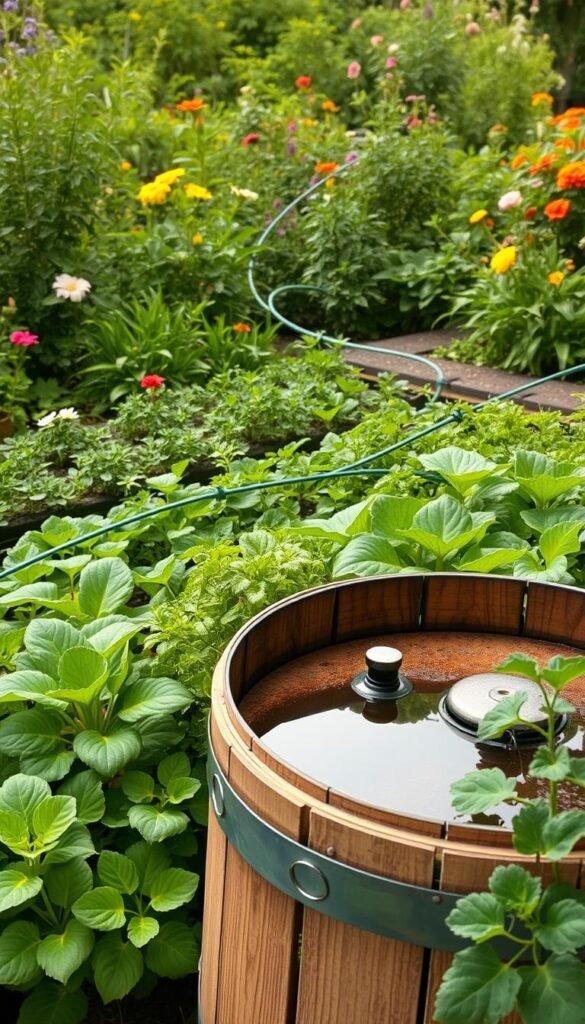
Your lush oasis thrives when nature’s rhythms guide your care routine. Smart water management and soil stewardship keep plants vibrant while reducing your environmental footprint—especially in sun-drenched regions like Jacksonville.
Effective Watering, Irrigation, and Mulching Techniques
Beat the Florida heat with targeted hydration. Drip irrigation systems deliver water directly to roots, cutting waste by up to 60% compared to sprinklers. Pair timers with moisture sensors to adjust schedules during rainy spells.
Organic mulches work magic beneath the surface. A 3-inch layer of straw or shredded leaves:
- Locks in soil moisture during dry spells
- Blocks weed growth naturally
- Feeds earthworms as it decomposes
Healthy soil means resilient plants. Compost-enriched earth holds water like a sponge while hosting beneficial microbes. Test moisture weekly by probing the ground—if the top inch feels dry, it’s time to hydrate.
“Morning watering reduces evaporation loss and prevents fungal issues—your plants drink deeply before the sun bakes the soil.”
Adopt permaculture principles for lasting health in your plots. Rain barrels capture free hydration, while swales redirect runoff to thirsty beds. These practices yield benefits beyond your yard, supporting local watersheds.
Track your garden’s vitality through leaf color and harvest quality. Crisp greens and abundant fruits signal balanced care. Remember: thriving gardens start with mindful maintenance that honors Earth’s cycles.
Seasonal Considerations and Natural Pest Management
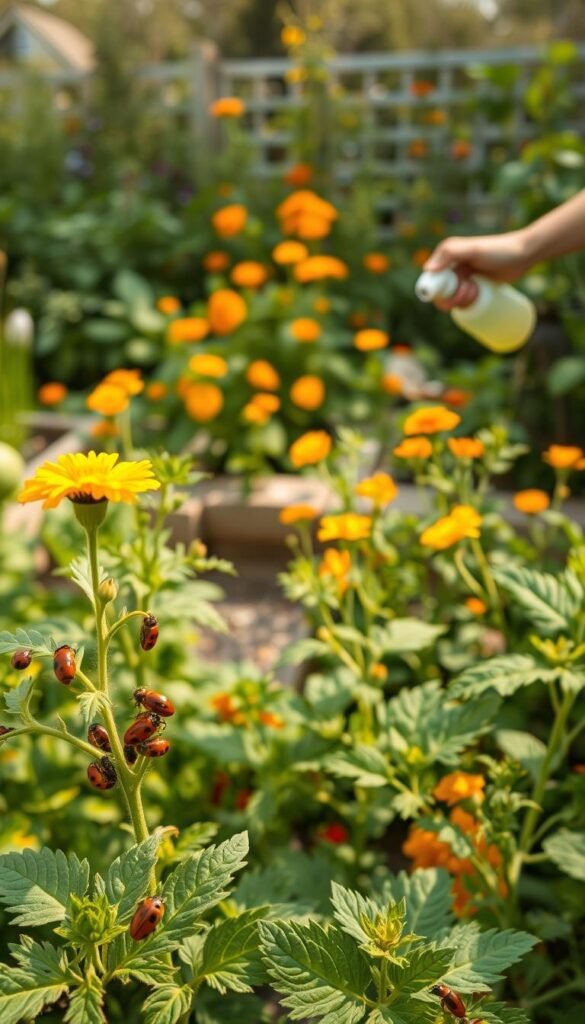
Mastering seasonal shifts keeps your landscape productive and pest-resistant year-round. Smart timing and natural solutions create resilient gardens that adapt to weather patterns while deterring unwanted visitors.
Work With Nature’s Calendar
Rotate crops every 3-4 months to prevent soil fatigue. Summer stars like tomatoes and peppers give way to cool-weather champions—kale and carrots—when temperatures drop. Stagger plantings every 2 weeks for continuous harvests.
Try this rotation plan:
| Season | Primary Crops | Companion Flowers |
|---|---|---|
| Spring | Lettuce, Peas | Calendula, Borage |
| Summer | Tomatoes, Basil | Marigolds, Zinnias |
| Fall | Kale, Radishes | Nasturtiums, Pansies |
Defend Your Harvest Naturally
Spot pests early by checking leaf undersides weekly. Introduce ladybugs to devour aphids, or spray neem oil at dawn to disrupt insect life cycles. Strong-smelling herbs like mint confuse pests searching for crops.
Three proven control strategies:
- Plant garlic near roses to repel Japanese beetles
- Use floating row covers during cabbage moth flights
- Apply diatomaceous earth around squash stems
Pair these methods with edible landscape design principles for dual-purpose beauty. For larger spaces, consider permaculture food forest layouts that mimic natural ecosystems.
“Healthy plants repel 80% of pests naturally—focus on building strong soil and choosing resilient varieties.”
Refresh mulch every 3 months to suppress weeds and regulate soil temperature. Prune diseased branches immediately to prevent spread. With seasonal adjustments, your plants thrive while keeping synthetic chemicals out of your food chain.
Final Reflections on Cultivating Your Edible Landscape
Your journey into edible landscaping yields more than fresh meals – it grows connections. Every harvest reinforces the bond between your family and the earth, with crunchy carrots and sun-warmed tomatoes becoming edible memories.
Those grocery bills? They’ll shrink as your home garden flourishes. Imagine plucking organic basil for tonight’s pasta instead of buying plastic clamshells. Your table becomes a showcase for flavors nurtured by your own hands.
This living classroom teaches kids where food originates – no textbook required. Little hands planting seeds learn patience, while tasting sugar snap peas straight from the vine sparks nutritional curiosity. These lessons ripple outward when you share extra zucchini with neighbors through community gardens.
Your landscape’s true value? It’s measured in afternoons spent weeding together and the pride of serving homegrown food. Each season brings new skills – maybe next year you’ll ferment sauerkraut from backyard cabbage or press apple cider. That’s the magic: your home garden keeps giving, bite after bite, memory after memory.