
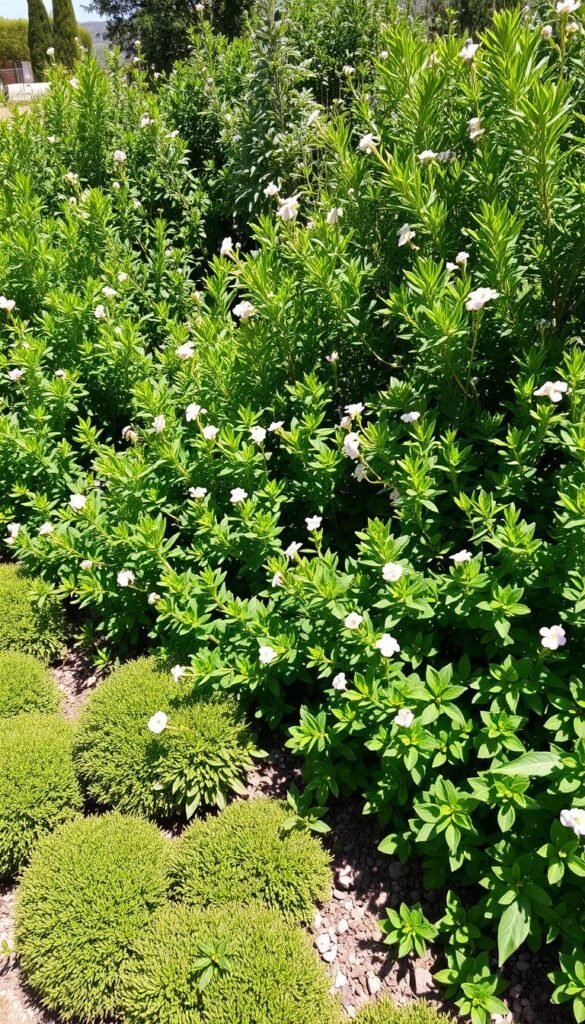
Creating beautiful outdoor spaces requires smart choices that balance form and function. Compact plants offer a versatile solution for adding structure to your landscape without overwhelming it. Whether you’re working with a cozy patio or a sprawling yard, these smaller varieties bring year-round appeal while fitting seamlessly into any design.
The secret to effective borders lies in selecting species with the right growth habit. Plants that stay tidy naturally maintain clean lines, letting flowers and hardscape features take center stage. You’ll appreciate how they define edges without blocking views, keeping your space feeling open and inviting.
Climate adaptability matters too. Many varieties thrive across different zones, from sunny Southern yards to cooler Northern gardens. Their modest size makes them ideal for framing pathways, softening fences, or adding texture to container arrangements.
Beyond aesthetics, these green workhorses support pollinators and require little upkeep once established. Imagine crisp boundaries that evolve with the seasons – spring blooms, summer greenery, and fall colors – all while giving birds and butterflies a place to thrive. Ready to discover how the right plants can elevate your outdoor living area?
Understanding the Appeal of Low-Height Shrubs
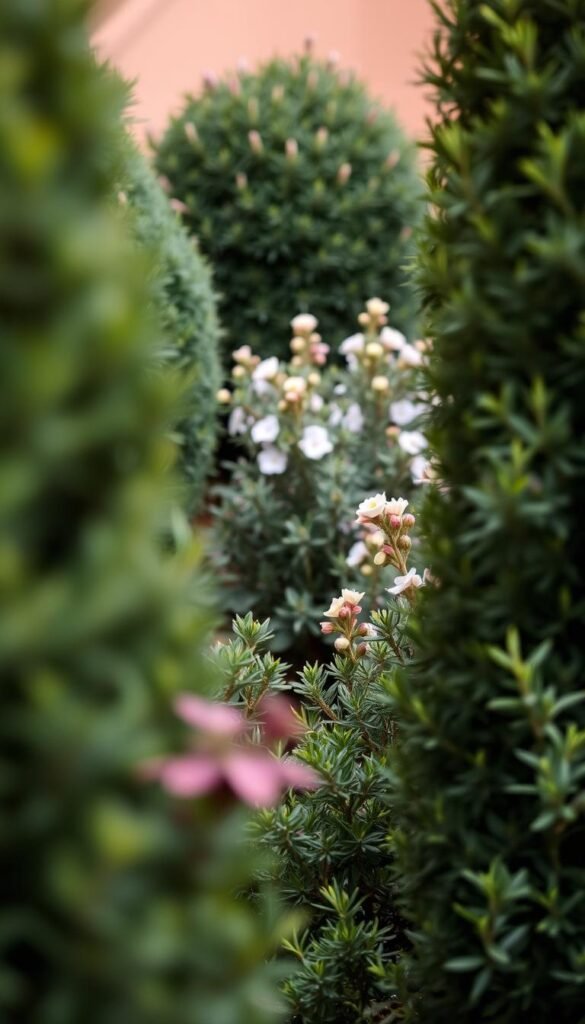
Smaller plants pack big potential for modern landscapes. Their secret? Adaptable growth habits that fit tight areas while delivering style and function. Let’s explore why these pint-sized powerhouses deserve a spot in your yard.
Compact and Versatile Options
Root-hardy varieties like bluebeard and butterfly bush shine in limited areas. Cut them back in early spring, and they’ll rebound with fresh foliage and blooms. Their flexible nature lets you:
- Frame walkways without crowding
- Create living screens in narrow zones
- Mix textures in container gardens
| Shrub | Growth Habit | Seasonal Interest |
|---|---|---|
| Bluebeard | Mounded | Late summer blooms |
| Chaste Tree | Upright | Fragrant summer flowers |
| Butterfly Bush | Spreading | Continuous blooms |
“Pruning these shrubs to 12 inches each spring keeps them dense and floriferous.”
Ideal for Small Spaces
Urban patios and packed gardens thrive with space-smart picks. Columnar forms add vertical accents beside doors, while spreading types soften concrete edges. You’ll love how they:
- Maintain neat proportions for years
- Provide nesting spots for songbirds
- Transition seamlessly between seasons
Even established yards benefit from their layered look. Tuck them between perennials or let them anchor decorative pots – their modest needs make redesigns effortless.
Benefits of Low-Height Shrubs in Your Garden
Smaller greenery offers dual advantages that transform outdoor areas. Beyond their tidy appearance, these plants deliver lasting value through ecological support and design flexibility.
Year-Round Structure and Texture
Reliable performers maintain visual interest through every season. Varieties with dense foliage create living sculptures that outlast blooming perennials. Their varied leaf patterns – from spiky junipers to rounded boxwoods – add tactile depth to your space.
Evergreen types shine in winter months when other plants retreat. They prevent bare spots while protecting soil from erosion during heavy rains. This natural armor helps neighboring flowers thrive by stabilizing moisture levels.
Attracting Pollinators and Wildlife
Nectar-rich blossoms become buzzing hubs for essential insects. Deutzia’s spring flowers draw hungry bees, while summer-blooming varieties feed monarchs during migration. Birds soon follow, nesting in protective branches and feasting on autumn berries.
These green guardians work harder than you’d expect. Their layered growth habit shelters frogs and toads that control pests naturally. You’ll notice healthier plants as this mini-ecosystem flourishes across different climate zones.
How to Select the Perfect Shrubs for Your Border
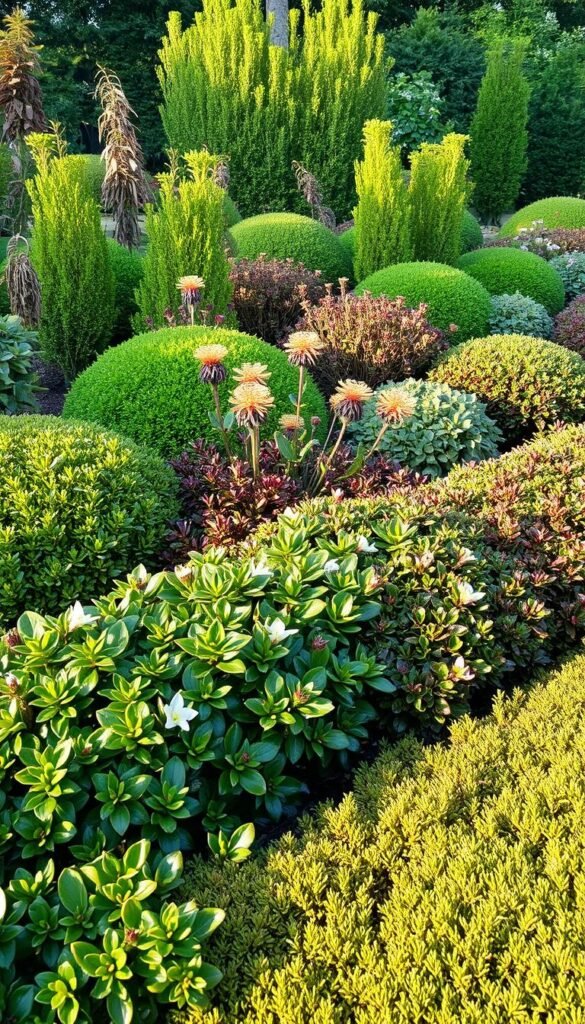
Choosing border plants feels like matchmaking – you want partners that thrive in your yard’s unique personality. Start by playing detective: note how much sunlight hits the area daily and test your soil’s drainage with a simple water-percolation check.
Key Factors to Consider
Sun requirements top the list. Full-sun lovers like lavender struggle in shade, while hydrangeas wilt under harsh afternoon rays. Match their preferences to your space’s light patterns for year-round vitality.
Growth habit dictates function. Upright varieties frame entries neatly, while spreading types fill gaps between stepping stones. Always check mature size tags – a 3-foot-wide shrub needs breathing room to avoid future crowding.
Your USDA zone acts as a survival filter. A cold-hardy plant that tolerates frost might fry in southern heat. Pair seasonal interests too: early bloomers followed by fall-color stars keep borders lively from spring through winter.
Design Ideas: Low-height shrubs for well-defined but unobtrusive garden borders
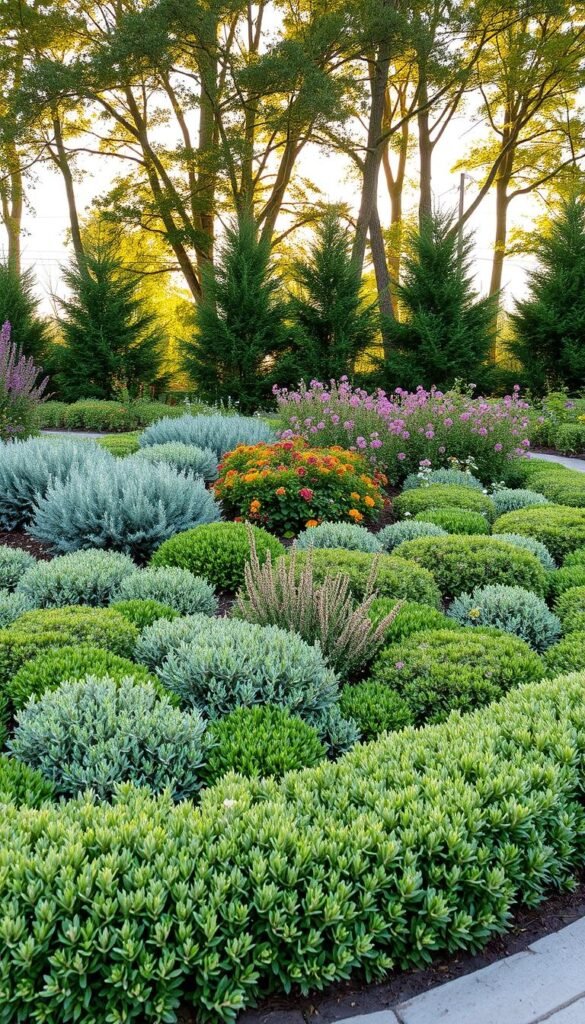
Transform your outdoor space into a living tapestry with clever arrangements. Curved edges that mirror your yard’s natural shape add organic flow. Pair mounded varieties with upright growers to create rhythm – think lavender’s silvery spikes beside dwarf boxwood’s rounded habit.
Mix textures and bloom times for nonstop appeal. Try these combinations:
| Shrub Variety | Foliage Type | Bloom Season | Suitable Zones |
|---|---|---|---|
| Dwarf Boxwood | Evergreen | N/A | 5-9 |
| Lavender | Silver-green | Summer | 5-8 |
| Spirea | Golden | Spring-Fall | 4-8 |
Use taller containers to elevate focal points. A potted Japanese maple surrounded by creeping thyme makes a striking entryway feature. This trick works wonders on patios where ground space is limited.
Softening hardscapes? Easy. Plant woolly thyme between pavers and edge walkways with compact hydrangeas. Their summer flowers blur boundaries while keeping paths clearly defined. You’ll love how this gardening technique makes stone surfaces feel warmer.
Remember to check your USDA zones when planning. Cold-hardy options like dwarf fothergilla add four-season structure in northern regions, while southern landscapes thrive with compact gardenias. Either way, you’ll create welcoming transitions between garden rooms.
Top Low-Height Shrub Varieties to Enhance Your Landscape
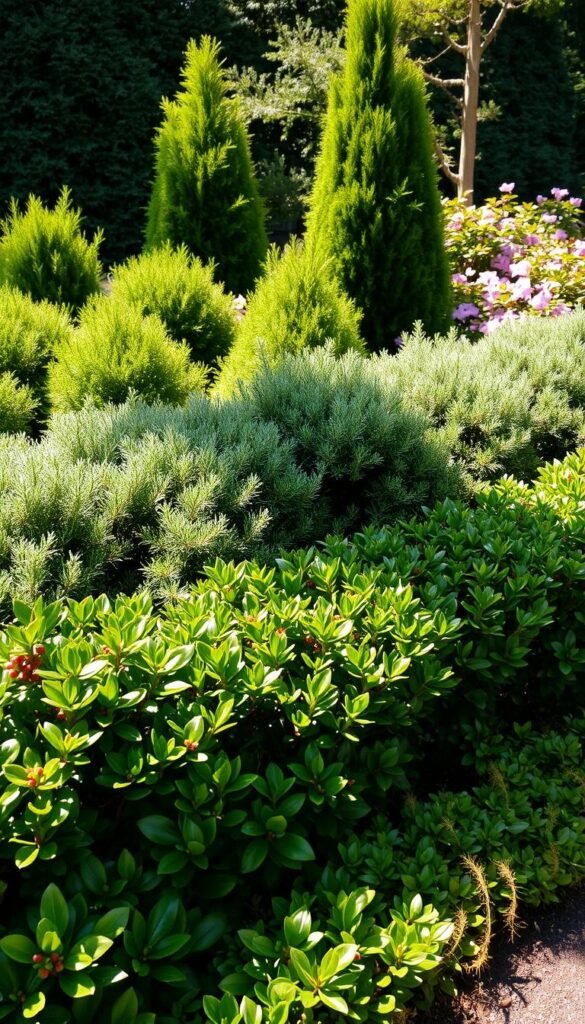
Discover shrubs that combine beauty with practicality for your landscape. From reliable evergreens to seasonal bloomers, these compact varieties deliver visual impact without demanding constant attention. Let’s explore standout options that thrive in diverse climates and design schemes.
Evergreen Options for Consistent Foliage
Dwarf boxwood steals the show with its dense foliage that stays vibrant through winter snow and summer heat. These slow-growing plants maintain their shape naturally, perfect for creating crisp edges along walkways. Pair them with compact arborvitae for contrasting textures – their feathery needles add softness to structured designs.
| Variety | Height/Width | Zones |
|---|---|---|
| Midnight Wine Shine Weigela | 1-1.5 ft / 2+ ft | 4-8 |
| Jazz Hands Mini Fringe-Flower | 1 ft / 3 ft | 7-9 |
| Baby Gem Boxwood | 3 ft / 2 ft | 5-9 |
Flowering Shrubs and Their Seasonal Blooms
Beyond Midnight Bluebeard erupts in violet flowers from midsummer through fall, attracting hummingbirds to your borders. For spring color, try Proven Winners’ Shine Weigela – its crimson blooms reappear sporadically all season. These varieties stay under three feet tall, making them ideal partners for low-maintenance flowers in mixed plantings.
- Bluebeard: 24-30″ height, drought-tolerant
- Weigela: Deer-resistant, thrives in partial sun
- Fringe-Flower: Pink spring blooms, burgundy fall leaves
Mix these stars with evergreen foundations to create dynamic borders. Their varied habit and bloom times ensure your landscape stays engaging through every season.
Inspiring Garden Border Ideas for Small Spaces
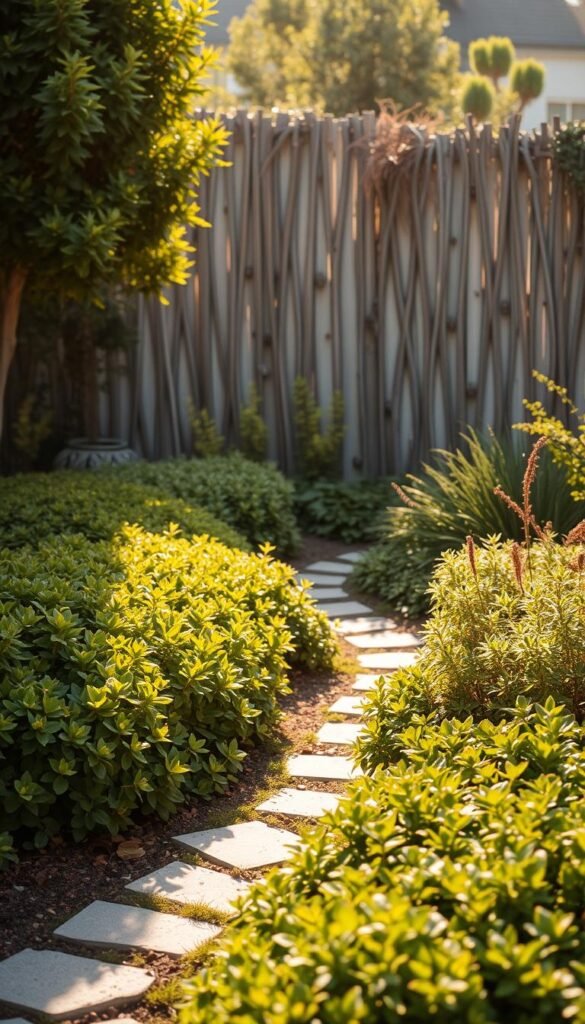
Maximizing every inch becomes essential when designing compact outdoor areas. Container gardening offers a dynamic solution, letting you shift plants as sunlight patterns change or new design ideas emerge. Dwarf shrubs thrive in pots, creating movable focal points that define spaces without permanent commitments.
- Group varied-height containers along balcony rails to form living screens
- Use rectangular planters as edible borders around patio seating
- Rotate flowering varieties seasonally for continuous color
“The right container shrub acts like furniture – it structures your space while leaving room to breathe.”
Vertical growth habits prove invaluable in confined areas. Columnar evergreens like Sky Pencil Holly add upward interest beside doorways, while trailing rosemary softens raised bed edges. These space-savers work across USDA zones 5-9, adapting to regional climates through simple pot insulation techniques.
| Shrub | Growth Habit | Zones |
|---|---|---|
| Dwarf Boxwood | Mounded | 5-9 |
| Sky Pencil Holly | Columnar | 5-9 |
| Lavender | Upright | 5-8 |
Strategic placement creates depth – position larger containers at the rear of narrow spaces and use low growers up front. This layered approach tricks the eye into perceiving more square footage. You’ll love how defined pathways and seating areas feel cohesive yet unobstructed.
Caring for Your Low-Height Shrubs: Maintenance and Tips
Keeping your landscape looking sharp doesn’t require constant effort when you choose the right varieties. With smart care strategies, these compact plants maintain their shape while supporting healthy growth across different climate zones.
Watering, Pruning, and Fertilizing
Deep watering every 7-10 days builds resilient roots. Morning irrigation reduces evaporation and helps leaves dry before nightfall. Check soil moisture by sticking your finger two inches deep – skip watering if it feels damp.
Pruning needs vary by species. Mugo pines require spring “candle trimming” to control spread, while boxwoods need light shaping after new growth hardens. Always use sharp shears to prevent disease entry points.
| Shrub | Water Needs | Pruning Time | Zones |
|---|---|---|---|
| Mugo Pine | Low | Early Spring | 2-8 |
| Dwarf Boxwood | Moderate | Late Spring | 5-9 |
| Bluebeard | Low | Early Spring | 5-9 |
Fertilize based on soil tests, not guesswork. Slow-release formulas work best for most varieties – apply in early spring as growth begins. Overfed shrubs often produce weak stems that attract pests.
“Match your care routine to each plant’s natural habit for thriving borders that need less work over time.”
Group species with similar sun and water needs to simplify your gardening schedule. You’ll spend less time maintaining edges and more time enjoying your polished outdoor space.
Seasonal Care: Nurturing Shrubs Through Spring, Summer, and Fall
Your landscape thrives when care routines align with nature’s rhythms. Each season offers distinct ways to support plant health while enhancing visual appeal. Let’s explore how to work with these cycles rather than against them.
Spring Revitalization Techniques
Early spring wakes root-hardy varieties like bluebeard and butterfly bush from dormancy. Cut them to 12 inches when new growth appears – they’ll rebound with vigorous stems and abundant blooms. This timing also works for mugo pine “candle pruning” to control shape.
Apply balanced fertilizer after pruning, but wait until soil temperatures reach 55°F. Test your dirt first – many compact plants thrive in lean conditions. A 2-inch mulch layer conserves moisture while suppressing weeds.
Summer Care and Fall Preparations
Consistent hydration becomes crucial as temperatures rise. Water deeply 2-3 times weekly, focusing on root zones. Check leaves weekly for pests like spider mites, especially in dry zones.
| Season | Key Tasks | Timing |
|---|---|---|
| Spring | Pruning, fertilizing, mulching | Last frost + 2 weeks |
| Summer | Pest checks, hydration, deadheading | June-August |
| Fall | Root protection, compost top-dress | First frost – 6 weeks |
As days shorten, help shrubs prepare for dormancy. Stop fertilizing by late summer to prevent tender growth. In colder zones, wrap evergreens with burlap if harsh winters are forecasted.
Remember: Each variety has unique needs based on its growth habit. Observe how your plants respond through the seasons, adjusting care to match their natural patterns. This approach builds resilience while keeping borders vibrant year-round.
Incorporating Ground Cover for a Cohesive Look
Tying your landscape together starts with smart layering. Ground cover plants act as a natural carpet, filling gaps between shrubs while suppressing weeds. Choose varieties with spreading habits like creeping thyme or dwarf mondo grass to create flowing transitions along pathways.
These low-growing partners soften hard edges and add textural contrast. Pair them with compact shrubs for dynamic depth – imagine silvery lamb’s ear beneath burgundy-leaved varieties. Their combined foliage creates visual harmony across seasons.
Consider your USDA zones when selecting species. Many ground covers thrive in partial shade or dry conditions, adapting to your landscape’s unique needs. You’ll love how they unify plantings while requiring minimal upkeep once established.