Your outdoor areas deserve more than just functional boundaries. Thoughtfully designed edges do more than contain soil – they shape your landscape’s personality. When done right, these transitional zones become eye-catching features that guide the eye and elevate your entire yard.
Compact spaces particularly benefit from strategic plant choices. Instead of overcrowding with filler greenery, focus on impactful specimens that command attention. Contrasting textures and vibrant colors work wonders in limited areas, creating depth where flatness once ruled.
The secret lies in balancing scale and visual weight. Tall spiky varieties add vertical drama, while low-growing evergreens maintain clean lines. Pairing these elements prevents chaotic overgrowth – crucial when every inch counts. You’ll discover how intentional placement transforms ordinary dividers into artistic statements.
This guide reveals professional techniques for maximizing curb appeal through clever vegetation selection. Learn to combine practicality with showstopping aesthetics, ensuring your green boundaries become conversation starters rather than afterthoughts.
Embracing Your Garden’s Unique Style
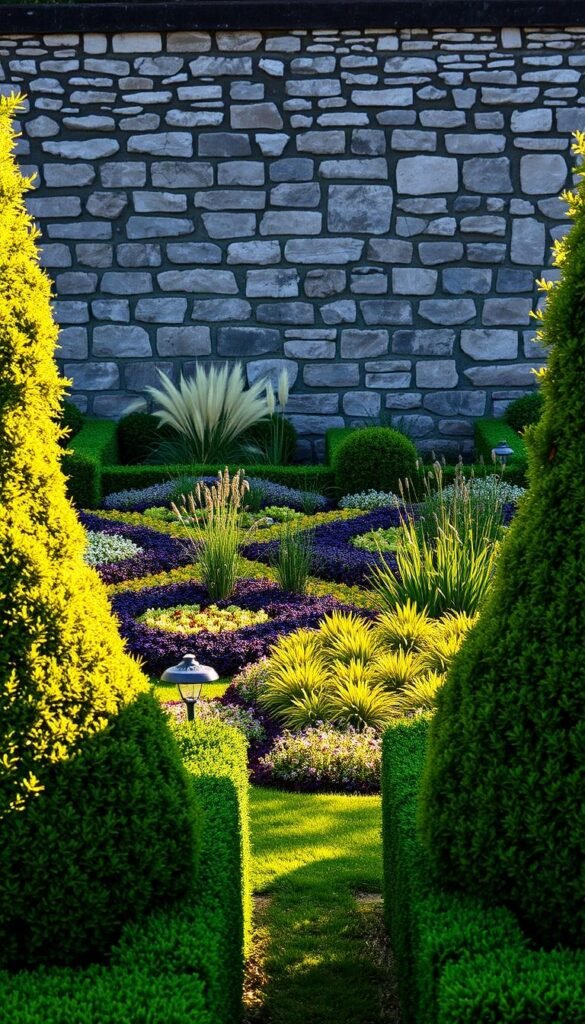
Transforming your yard starts with defining its character through smart design. Clear boundaries act like punctuation marks in a sentence—they organize ideas and create rhythm. Your landscape becomes more inviting when each section has purpose.
Understanding the Role of Garden Definition
Borders shape how you experience outdoor areas. They guide foot traffic, highlight favorite plants, and prevent greenery from overtaking paths. Crisp edges turn chaotic corners into polished displays.
Establishing Your Design Vision
Start by sketching zones that serve different needs—maybe a cozy seating nook or vibrant flower strip. Ask: “Do I prefer geometric precision or soft, natural curves?” Match materials to your home’s architecture for cohesion.
Identify spots where striking plants can anchor the view. Maybe flank a walkway with spiky yucca or frame a patio with boxwood. These choices build structure while letting creativity shine.
Properly defined spaces simplify maintenance and future updates. You’ll know exactly where to add spring bulbs or autumn mums without disrupting the overall layout. It’s design that grows with you.
Key Elements of Bold Edging Plants
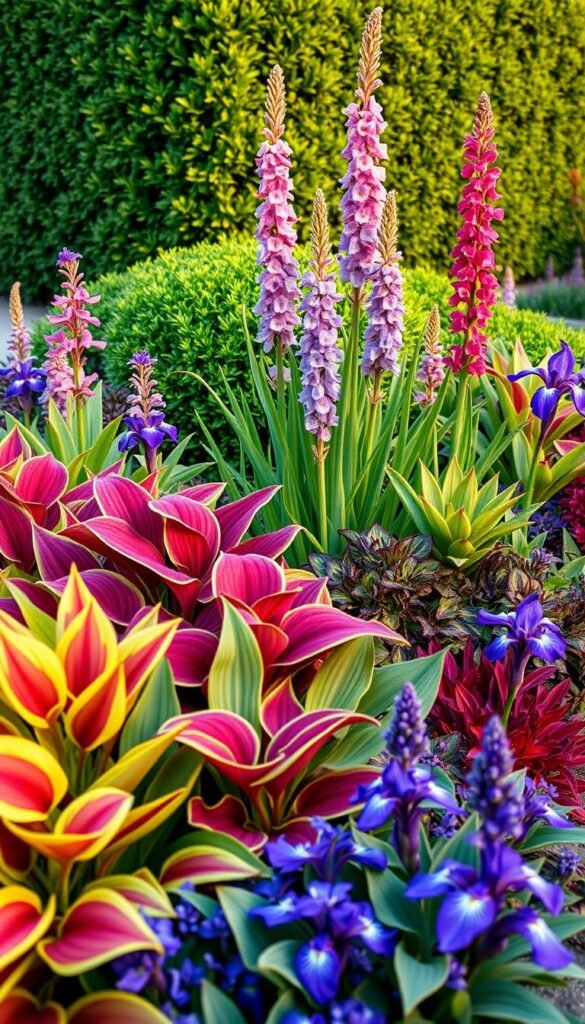
Transform your landscape’s edges into artistic accents by mastering two critical design factors. Vibrant hues and tactile surfaces work together to craft borders that pop, while smart plant selection ensures year-round appeal.
Mastering Chromatic Contrast
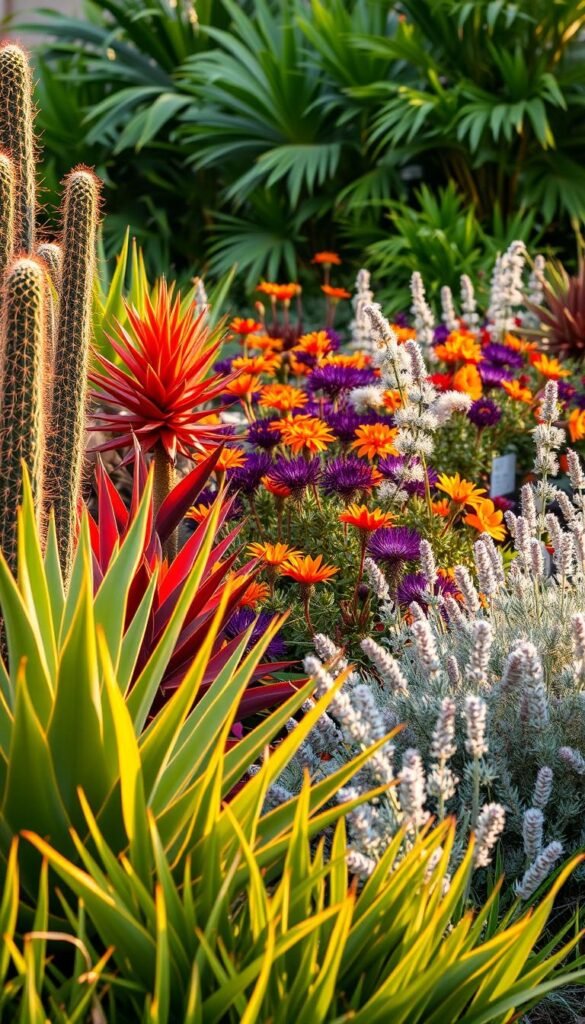
Think beyond basic greens. Deep burgundy foliage like Jazz Hands Bold® Loropetalum makes pink blooms glow brighter. Pair silver-leafed Artemisia with orange Red Hot Poker flowers for fireworks-like energy.
“The most striking borders use three contrasting textures within 10 square feet,” notes award-winning landscape designer Lauren Sullivan.
Plant Type Power Plays
Shrubs provide permanent structure – think Purple Fountain Grass’s arching plumes. Perennials like Heuchera offer reliable color returns, while annuals deliver seasonal surprises. Mix types for layered interest.
| Plant Type | Best For | Example | Key Feature |
|---|---|---|---|
| Shrubs | Year-round structure | Loropetalum | Burgundy foliage |
| Perennials | Reliable color | Red Hot Poker | Torch-like blooms |
| Annuals | Seasonal drama | Coleus | Multicolored leaves |
Balance is key. Anchor bold choices with neutral companions like dwarf boxwood. This prevents visual overload while letting your star plants shine. Remember – even vibrant borders need breathing room.
Designing Garden Borders for Small Spaces
Compact outdoor areas shine when their edges pack visual punch. Corten steel offers sleek definition that withstands weather while adding modern flair. Its rust-toned patina blends beautifully with both lush greenery and architectural hardscapes.
Maximize tight zones by selecting plants that grow upward, not outward. Sky Pencil Holly’s narrow form adds height without crowding walkways. Pair it with low-spreading Sedum for textural contrast that tricks the eye into perceiving depth.
“Treat narrow beds like gallery walls – every element must earn its place,” advises urban garden designer Marco Diaz.
Try this layout formula for beds under 3 feet wide:
| Layer | Plant Height | Example | Function |
|---|---|---|---|
| Back | 24-36″ | Dwarf Butterfly Bush | Vertical anchor |
| Middle | 12-18″ | Black Mondo Grass | Color contrast |
| Front | 6-8″ | Creeping Thyme | Soft edging |
Multi-tasking borders work hardest in petite yards. Evergreen Lavender defines paths while repelling pests. Variegated Hostas brighten shady corners and hide fading bulb foliage. Remember – in confined spaces, each plant should serve at least two purposes.
Scale hardscape materials to match your yard’s proportions. Slim 4″-wide corten strips create crisp lines without overwhelming. For curved beds, flexible metal edging follows organic shapes better than rigid bricks.
DIY Edging Techniques to Elevate Your Garden
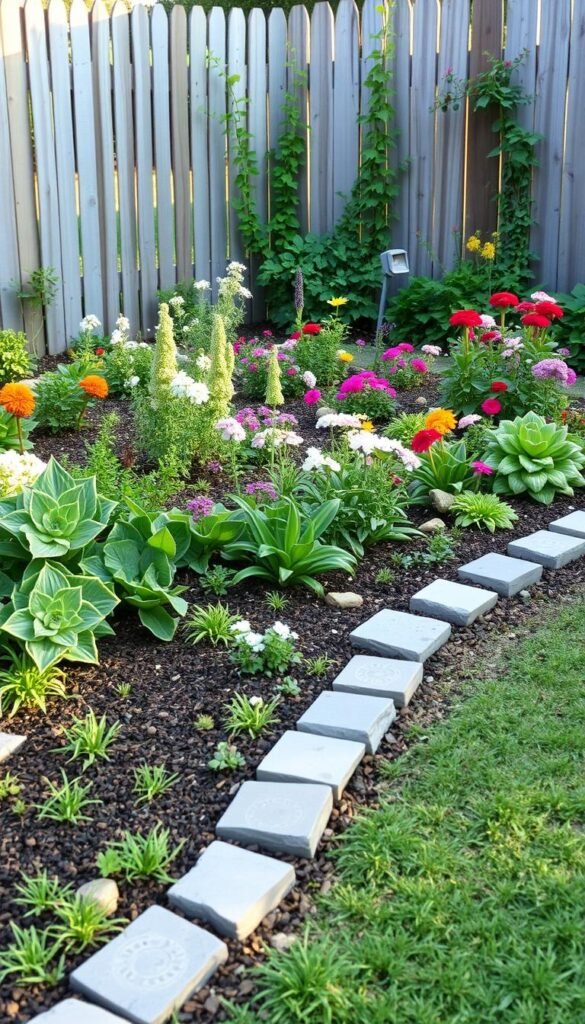
Crafting personalized borders lets you shape your landscape’s character while keeping projects budget-friendly. Three materials stand out for their versatility and visual impact – each offering distinct advantages for different design goals.
Brick: Timeless Charm Meets Flexibility
Clay bricks adapt to any style through placement choices. Lay them flat for subtle definition between lawn and flower beds. Stand them vertically along pathways for striking geometric patterns that withstand foot traffic.
Stone: Nature’s Building Blocks
Irregular stones create organic boundaries that blend with rustic or modern designs. Stack flat flagstones for low retaining walls, or nestle rounded river rocks into soil for soft curves. Their natural textures complement flowering perennials beautifully.
Metal: Sleek Modern Definition
Galvanized steel strips create razor-sharp lines that highlight architectural plants. Bury 4-inch tall metal edging flush with the ground for invisible containment. It’s perfect for showcasing ornamental grasses or vibrant groundcovers.
| Material | Installation Style | Best Use | Maintenance Level |
|---|---|---|---|
| Brick | Horizontal/Vertical | Traditional beds | Low |
| Stone | Stacked/Nested | Natural landscapes | Moderate |
| Metal | Flush Mount | Modern designs | Minimal |
Prepare your site properly for lasting results. Remove 3 inches of soil where edging will sit, then compact the base with gravel. This prevents shifting and keeps your bold plant selections neatly framed.
For more creative gardening ideas, explore unexpected material combinations. Try pairing corten steel with lavender borders or mixing brick patterns with textured succulents. Your edges become functional art when materials and plants work in harmony.
Making a statement with bold edging plants in small garden borders
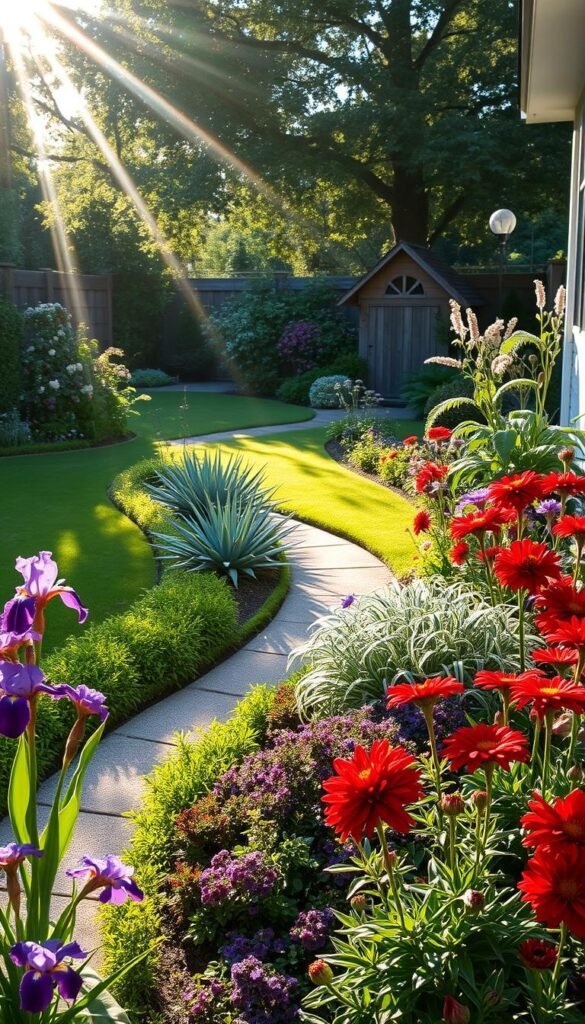
Vertical elements work magic in tight quarters. Tall, narrow varieties like Arborvitae North Pole® draw sightlines upward, making postage-stamp yards feel grander. Their rich evergreen foliage provides constant texture without swallowing precious ground space.
Strategic Planting for Maximum Impact
Boxwood Sprinter® proves small shrubs pack big punches. Its dense growth forms living walls that organize flower beds and pathways. Pair it with flowering perennials for bursts of seasonal color against structured greenery.
Autumn’s fiery show arrives reliably with Burning Bush Fire Ball Seedless™. This compact superstar turns borders into scarlet ribbons from September through November. Its seedless nature keeps maintenance low – crucial for urban gardeners.
“Scale-appropriate plants act like interior design tricks for outdoor rooms,” explains landscape architect Tina Nguyen. “They manipulate perception through form and color.”
Consider these space-enhancing combinations:
- Columnar evergreens + trailing groundcovers = Height meets softness
- Variegated shrubs + solid-color blooms = Pattern play expands visual interest
- Ornamental grasses + stone edging = Movement contrasts with stability
For those embracing cottagecore charm, mix billowy herbs with structured hedges. Lavender spills over low walls while rosemary topiaries stand sentry. This balance creates curated wildness perfect for intimate settings.
Every plant becomes a design decision in petite plots. Choose specimens that multitask – offering structure, color, and texture across seasons. Your borders will feel intentionally curated rather than merely contained.
Choosing the Right Materials for Edging
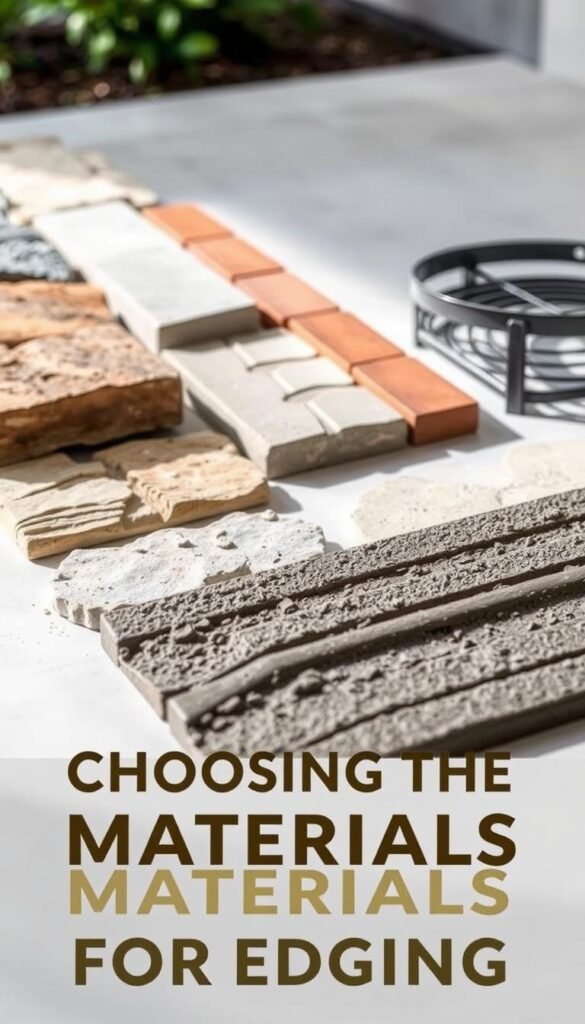
Selecting materials that frame your garden beautifully requires balancing practicality and style. The perfect choice depends on your climate, plant palette, and desired maintenance level. Let’s explore options that turn functional borders into design assets.
Nature’s Offerings vs. Creative Reuse
Natural stone brings timeless beauty with varied textures – think slate’s sleek planes or limestone’s rustic charm. Wood offers warmth but demands seasonal sealing. For eco-conscious gardeners, recycled rubber bends around curves effortlessly and withstands frost heaves better than rigid alternatives.
Upcycled glass bottles create mosaic-like borders when buried neck-down. Their colorful glow catches sunlight beautifully, while seashell edges whisper coastal vibes. These options prove sustainability and style aren’t mutually exclusive.
Longevity Meets Visual Harmony
Consider how materials age. Corten steel develops a protective rust patina, while untreated wood may rot within years. Match edging to your plants’ personality – sleek metal complements architectural succulents, whereas weathered bricks enhance cottage-style blooms.
| Material | Durability | Best For | Visual Impact |
|---|---|---|---|
| Recycled Rubber | 10+ years | Curved beds | Subtle contrast |
| Natural Stone | Lifetime | Formal layouts | Textural richness |
| Seashells | 5-7 years | Coastal themes | Organic shimmer |
For garden edging techniques that marry form and function, prioritize materials enhancing your landscape’s narrative. A well-chosen border doesn’t just contain soil – it elevates your entire design story.
Creative Ideas from Inspiring DIY Projects
Turn overlooked treasures into garden art that sparks joy. Everyday objects become extraordinary when repurposed as functional decor. With some imagination, you can craft edges that reflect your personality while keeping materials out of landfills.
Upcycling Everyday Items
Terracotta pots make whimsical borders when half-buried at angles. Alternate sizes for dynamic rhythm. Old tires sliced into stripes become durable rubber edging – paint them cobalt blue for a playful look.
Tin cans transformed into mini planters create dual-purpose edges. Fill them with trailing succulents that spill over the rims. This approach adds greenery while defining spaces.
Natural Elements with Character
Driftwood pieces bring beachy vibes to any setting. Arrange weathered branches in zigzag patterns for organic edges. Seal with clear marine varnish to preserve their silvery patina.
Collect smooth rocks from local streams for free, colorful borders. Paint geometric patterns using outdoor acrylics for a personalized touch. They’ll withstand rain while adding artistic flair.
| Material | Preparation Tips | Best Use | Visual Impact |
|---|---|---|---|
| Terracotta Pots | Seal drainage holes | Herb gardens | Rustic charm |
| Painted Rocks | Apply weatherproof sealant | Path borders | Whimsical patterns |
| Wine Bottles | Buried neck-down | Flower beds | Colorful reflections |
| Bicycle Rims | Remove sharp edges | Modern spaces | Industrial chic |
Combine materials for maximum effect. Try pairing glass bottle edges with pebble mosaics. These creative DIY edging ideas let you experiment without major investments.
Treat found objects properly for outdoor use. Sand rough metal pieces, and coat porous items with waterproofing spray. Your unique touch transforms functional edges into storytelling elements that guests will admire.
Integrating Garden Beds, Pathways, and Focal Points
Your landscape comes alive when hardscape and greenery work together. Curved pathways invite exploration while framing your best flower displays. Try crushed shale walkways flanked by black basalt boulders – their earthy tones make vibrant blooms pop.
Material choices shape your garden’s rhythm. Brick walkways with concrete rope edging create serene nooks for benches. Bluestone pavers paired with steel borders define cozy fire pit areas. Each surface guides visitors through your garden beds like a curated tour.
| Path Type | Material Pairing | Visual Effect | Functional Benefit |
|---|---|---|---|
| Gravel | Basalt rocks | Natural texture contrast | Drains quickly |
| Brick | Concrete edging | Old-world charm | Slows foot traffic |
| Bluestone | Curved steel | Modern elegance | Defines seating zones |
Position focal points where pathways naturally pause. A bubbling fountain surrounded by low flowering shrubs becomes both visual anchor and soundscape. Keep sightlines clear – tall plants belong behind seating areas, not blocking views.
Balance is key. Let your structure enhance, not overwhelm. A bench framed by dwarf hydrangeas feels intentional. Water features should mirror nearby bed shapes – circular ponds echo curved herb spirals beautifully.
Remember: every element should whisper, “Look what’s next.” Your choices create moments of surprise and delight around each bend.
Seasonal Planting Strategies for Continuous Impact
Keep your borders lively through every season with smart planting choices. Timing blooms and foliage displays creates nonstop visual drama. Start by mapping your space’s sun exposure and soil type – this determines which performers will thrive.
Spring Showstoppers Meet Autumn Fireworks
Foxgloves and lupines bring vertical drama in May, while delphiniums add summer spikes of blue. Pair these with autumn’s fiery stars like Burning Bush for red foliage that lasts until frost. Stagger planting dates so new flowers emerge as others fade.
| Season | Plant | Key Feature | Companion |
|---|---|---|---|
| Spring | Foxglove | Towering spikes | Dwarf iris |
| Summer | Delphinium | Vibrant blues | Shasta daisy |
| Fall | Burning Bush | Scarlet leaves | Ornamental kale |
Nourishment for Year-Round Vitality
Prep soil 6 inches deep with compost before planting. Lay landscaping fabric under paths to block weeds. For container displays, mix slow-release fertilizer into potting soil.
Water deeply but less frequently to encourage strong roots. Add 1 tbsp apple cider vinegar per gallon to outdoor water features – it prevents algae without harming plants. Mulch beds in late fall to protect roots during freeze-thaw cycles.
Rotate annuals each year to refresh color schemes. This approach keeps borders dynamic while maintaining their structured appeal. Your edges will transition smoothly from spring’s pastels to autumn’s bold hues.
Low-Maintenance Yet Striking Plant Choices
Creating eye-catching borders doesn’t require endless hours of pruning and pampering. Smart selections combine dramatic presence with easy-care routines, thriving through seasonal shifts while maintaining their bold character.
Top Specimens for Effortless Drama
| Plant | Seasonal Show | Zones | Key Perks |
|---|---|---|---|
| Winterberry Berry Poppins® | Winter berries | 3-9 | Disease-resistant foliage |
| Rose of Sharon Purple Pillar® | Summer blooms | 5-9 | Vertical purple flowers |
| Red-Osier Dogwood Arctic Fire® | Year-round stems | 2-7 | Four-season crimson branches |
These hardy varieties laugh at drought and shrug off pests. Winterberry’s glossy berries persist through snow, while Dogwood’s scarlet stems glow against winter grays. Purple Pillar blooms for months without deadheading – perfect for time-crunched gardeners.
Landscape designer Emma Carter advises:
“Prioritize plants serving multiple roles. Dogwood offers winter structure and supports local wildlife – that’s smart gardening.”
Check your zone’s frost dates and soil pH before planting. Most thrive in average soil with morning sun. Water deeply during establishment, then let nature handle the rest. You’ll get evolving beauty that improves yearly with minimal effort.
Maximizing Curb Appeal with Strategic Edging
Elevate your home’s first impression through artful border designs that marry form and function. Curved paver edging softens hard lines while showcasing English garden classics like Calamagrostis grasses and Festuca mounds. These flowing shapes guide the eye along pathways, creating depth in narrow spaces.
Cor-Ten steel strips offer modern contrast when paired with bluestone cobbles. Try low-raised beds filled with textural stars like Elaeocarpus’ blue olives and Sansevieria’s upright spikes. Prostrate rosemary spills over rust-toned metal, softening industrial edges with fragrant greenery.
Consider these winning combinations:
- Warm terracotta pavers + feathery grasses = Cottage charm
- Galvanized steel + architectural succulents = Urban chic
- Recycled brick + flowering perennials = Timeless appeal
Your landscape gains character when edging materials echo nearby hardscapes. Match steel to contemporary façades, or blend natural stone with rustic features. Properly scaled borders frame garden beds without overwhelming them.
Remember: great edging works quietly. It highlights your plants’ beauty while organizing outdoor spaces. With smart material pairings and strategic curves, your garden‘s edges become its most polished feature.