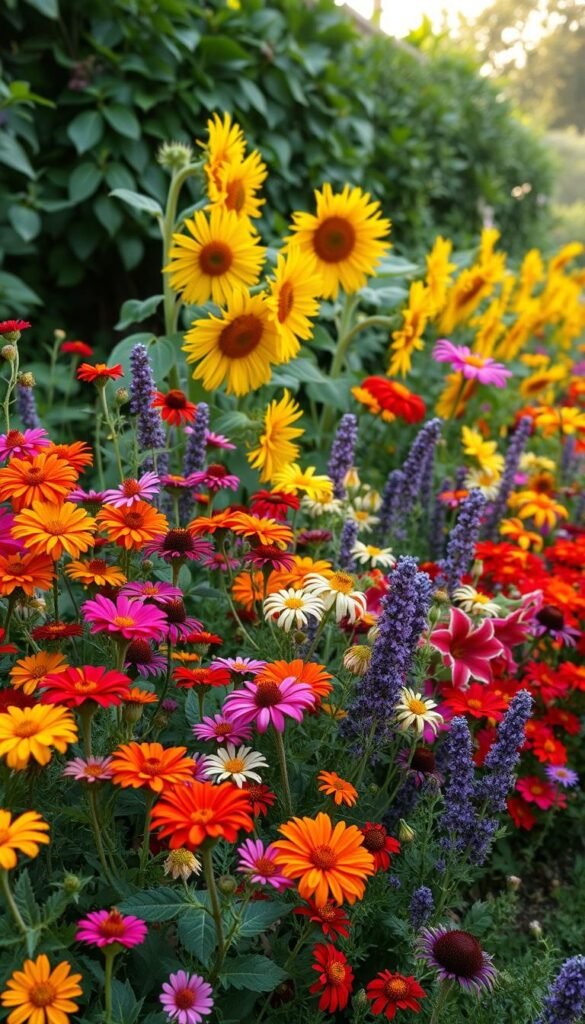
Ever wondered how some yards burst with color from spring through fall? The secret lies in pairing short-lived bloomers with long-term performers. This time-tested approach traces back to legendary designers like William Robinson and Gertrude Jekyll, who transformed how we think about plant combinations.
Seasonal flowers aren’t just space-fillers – they’re design partners that elevate your landscape. You’ll discover how temporary blooms can enhance permanent plantings while keeping your space lively for months. We’ll show you why this method goes beyond quick fixes to create truly unified displays.
Worried about clashing colors or uneven growth? Our guide addresses common concerns while revealing practical solutions. Learn to extend your flowering season, experiment with new palettes yearly, and maintain visual harmony between different plant types. Let’s transform your outdoor space into a living canvas that evolves beautifully through the seasons.
Introduction to Vibrant Garden Borders
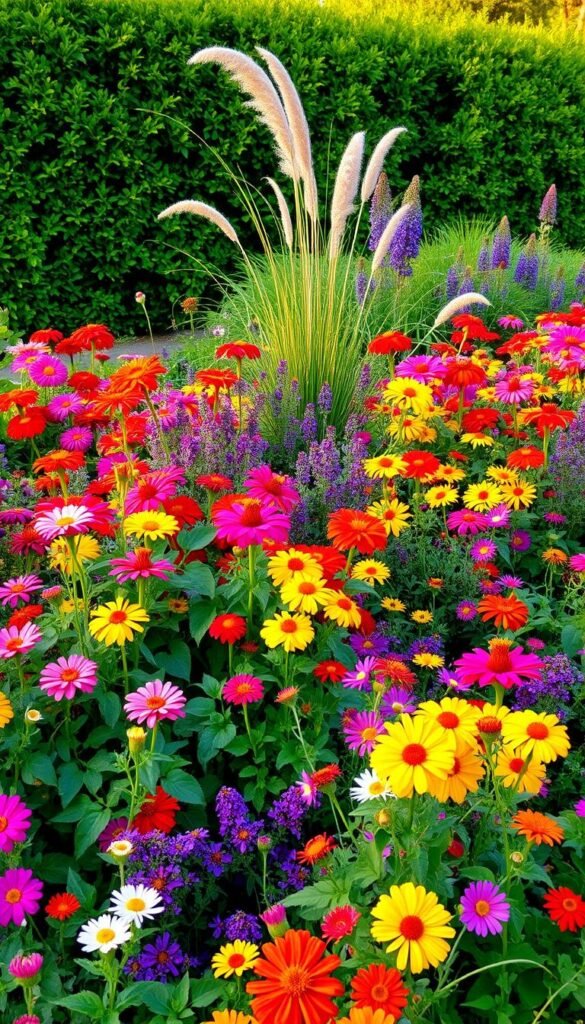
Picture stepping outside to a border that changes its outfit with the seasons. My first attempt at creating one taught me a hard lesson: permanent plants alone can’t carry the show. After staring at a dull stretch of fading blooms from my kitchen window, I realized strategic variety makes all the difference.
Setting the Stage for Year-Round Color
Great borders work like theater productions. You need stars (reliable perennials) and understudies (flexible annuals) ready to shine when others fade. Start by sketching your space. Note where sunlight shifts and where gaps appear after spring flowers finish.
| Border Style | Key Plants | Color Strategy |
|---|---|---|
| Formal | Boxwood + Petunias | Monochromatic tones |
| Cottage | Roses + Cosmos | Mixed pastels |
| Modern | Ornamental Grass + Zinnias | Bold contrasts |
Rotate temporary plants yearly to refresh your palette without overhauling the whole bed. Pair tall grasses with trailing lobelia, or place marigolds between peony bushes. This approach keeps eyes moving across the space, creating depth and surprise.
Remember: success lies in rhythm. Alternate heights and textures, leaving room for quick-growing fillers. Those empty midsummer spots? They’re opportunities to experiment with new hues or unusual foliage.
Understanding the Role of Annuals in Mixed Borders
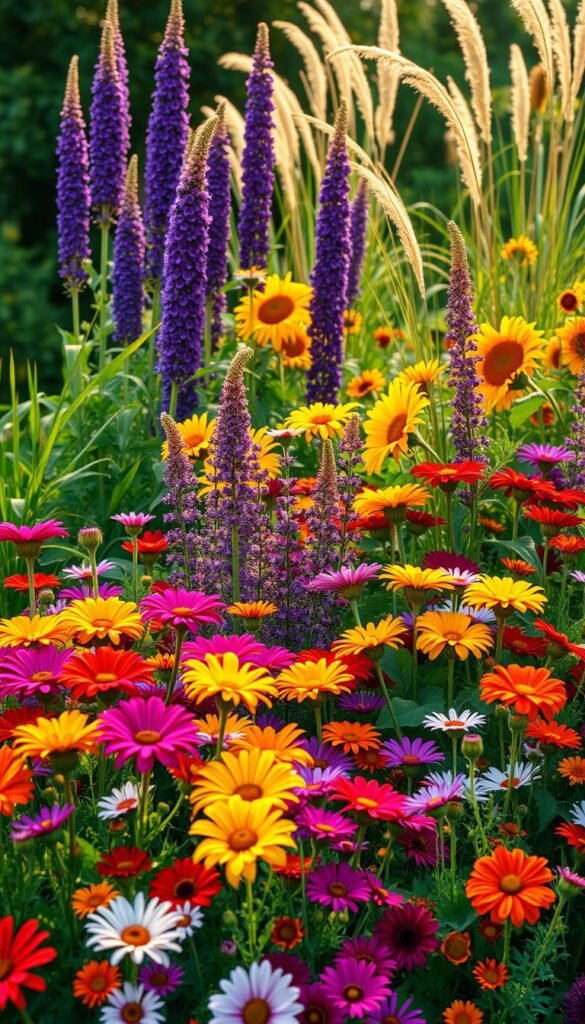
Gardeners often face unexpected voids where prized plants once thrived. Whether it’s hungry wildlife or unpredictable weather, these gaps disrupt carefully planned displays. This is where short-lived flowers become heroes, offering quick solutions and creative opportunities.
Historical Perspectives on Herbaceous Borders
Victorian gardeners first embraced temporary blooms to showcase exotic species. Gertrude Jekyll revolutionized this approach, weaving annuals into her iconic cottage schemes. She used them not as placeholders, but as textural accents that enhanced structural evergreens.
| Era | Approach | Key Plants |
|---|---|---|
| Victorian | Formal bedding | Coleus, Geraniums |
| Arts & Crafts | Naturalistic drifts | Poppies, Nicotiana |
| Contemporary | Ecological pairings | Sunflowers, Marigolds |
Enhancing Design with Temporary Blooms
Modern gardens benefit from annuals’ versatility. They bridge seasonal lulls between peony flushes and aster explosions. Try planting white alyssum beneath roses to extend bloom time, or use scarlet sage to distract from deer-nipped shrubs.
These transient stars let you test color schemes risk-free. Love this year’s peach-and-purple combo? Recreate it permanently next season. Dislike the result? Simply try new hues when spring arrives.
Benefits of Mixing Annuals and Perennials
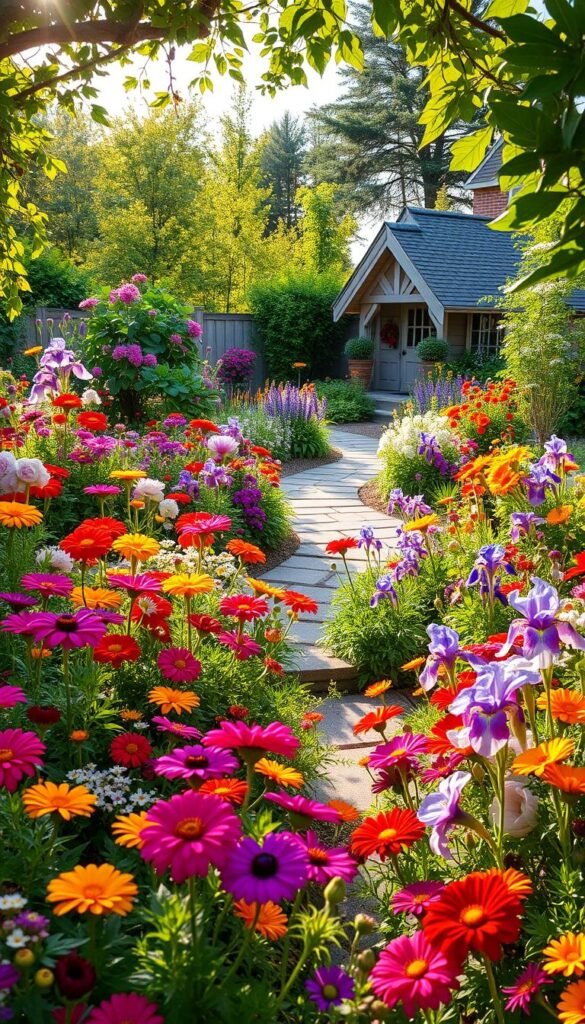
Imagine your outdoor space as a living calendar where flowers mark time’s passage. Pairing temporary and permanent plants creates dynamic displays that shift with nature’s rhythm. This strategy turns predictable beds into evolving showcases.
Nonstop Floral Performances
Commercial growers design many short-lived varieties to command attention. Their vivid hues might overwhelm delicate peonies or lavender if not thoughtfully combined. The trick lies in using these bold performers as seasonal accents rather than main attractions.
| Bloom Period | Plant Type | Design Role |
|---|---|---|
| Early Spring | Daffodils (Perennial) | Season opener |
| Midsummer | Zinnias (Annual) | Color sustainer |
| Late Fall | Chrysanthemums (Perennial) | Finale act |
Transient flowers bridge gaps when permanent plants rest. After iris foliage yellows, bright impatiens mask the decline. You gain freedom to test daring palettes – coral snapdragons with purple salvias one year, soft verbena clouds the next.
Young woody shrubs need years to mature. Fast-growing nicotiana or cleome creates instant screens around them. This approach lets you enjoy developing landscapes while they reach their potential.
How Annuals Fill Gaps in Your Perennial Designs
Have you ever noticed bare patches appearing where flowers once thrived? These empty spots often emerge when perennials finish blooming or face weather stress. Annuals act like nature’s band-aids, covering flaws while keeping your design cohesive.
Addressing Unexpected Blanks
Common gaps occur when peonies drop petals or hostas get slug damage. Start by observing where colors fade first. Annuals work best when planted before problems arise. Sow seeds or place starters 4-6 weeks before perennials typically fade.
| Gap Type | Annual Solution | Placement Tip |
|---|---|---|
| Bare ground after peonies fade | Sweet Alyssum | Edge planting |
| Deer-nipped shrubs | Tall Zinnias | Behind damaged plants |
| Yellowing iris foliage | Trailing Lobelia | Front-row coverage |
Achieving Visual Balance
Choose temporary plants that match your garden’s color rhythm. Pale pink impatiens blend with fading roses, while deep purple petunias echo nearby salvia blooms. For texture, pair feathery cosmos with bold-leaved hydrangeas.
Timing matters most. Stagger plantings so annuals peak as perennials rest. This approach lets you add color without overwhelming permanent structures. Remember: temporary fillers should enhance, not hide, your core design.
Selecting the Right Annuals for Your Garden
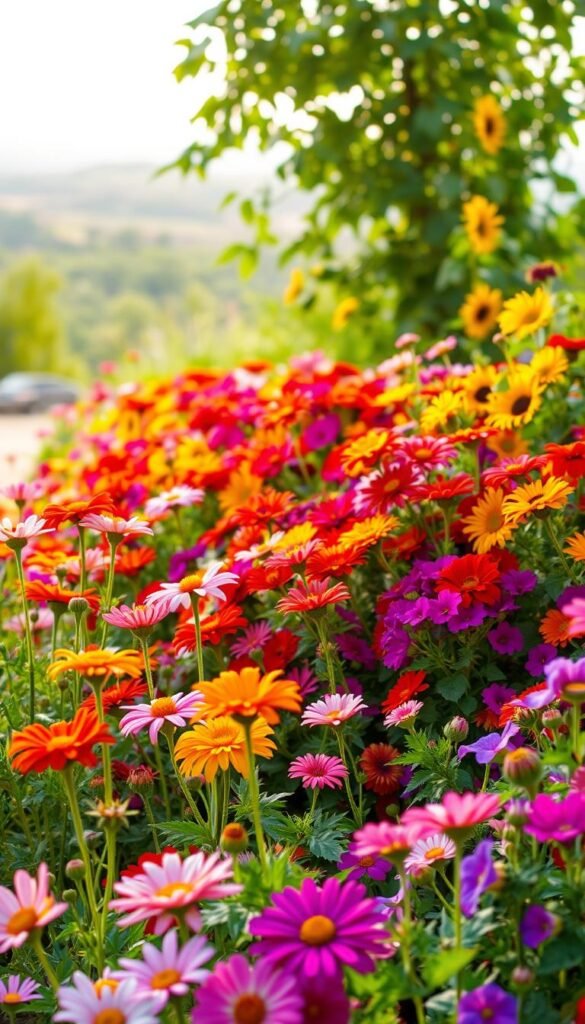
Curating annuals requires a designer’s eye and a curator’s patience. While big-box stores push neon-bright options, refined gardens thrive on nuanced selections. The key lies in finding temporary plants that complement rather than compete with your permanent stars.
Choosing Subtle Hues and Delicate Foliage
Mass-produced annuals often scream for attention with electric pinks and oranges. Instead, seek varieties offering muted sage greens, soft apricots, or dusky purples. Plants like Nicotiana mutabilis transition through three flower colors, while Cerinthe major provides blue-green foliage that glows in twilight.
| Mass-Market Annual | Specialty Alternative | Design Benefit |
|---|---|---|
| Marigold ‘Big Duck Gold’ | Calendula ‘Indian Prince’ | Earthy tones blend with perennials |
| Petunia ‘Purple Wave’ | Salpiglossis ‘Chocolate’ | Velvety texture adds depth |
| Zinnia ‘Magellan’ | Cosmos ‘Double Click’ | Airy form softens borders |
Exploring Uncommon Varieties from Seed
True garden gems often come from seed catalogs, not store shelves. Start hunting in January when specialty growers release new listings. Annual poppies with crinkled petals or heirloom tobacco plants offer unique textures that big-box hybrids lack.
Begin seeds 10-12 weeks before last frost using basic grow lights. Focus on varieties needing minimal care once transplanted. Didiscus caeruleus (blue lace flower) thrives in poor soil, while Ionopsidium acaule (violet cress) creates fairy-sized blooms perfect for front borders.
Remember: foliage matters as much as flowers. Annual grasses like Lagurus ovatus add movement, while silver-leaved Dichondra reflects moonlight. These elements ensure your garden remains captivating even between bloom cycles.
Integrating Soft-Hued Annuals with Perennials
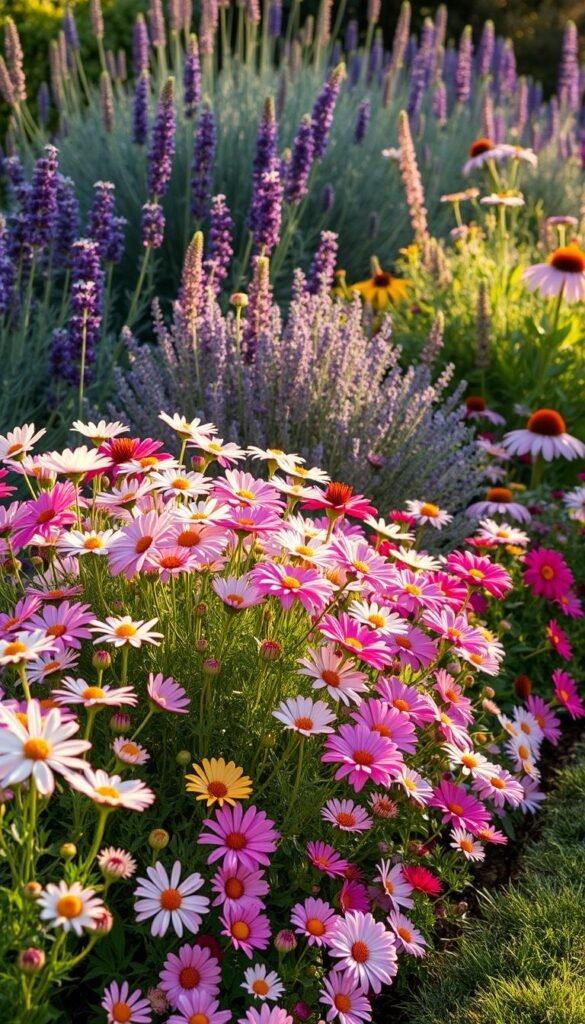
What if your flower beds could whisper color harmonies instead of shouting contrasts? Gentle-toned temporary plants act as peacemakers between bold perennial stars. They soften transitions and create rhythm in tight spaces where every hue matters.
Blending Yellows, Blues, and Pastels
Chrysanthemum coronarium ‘Primrose Gem’ elevates yellow palettes with its lacy foliage and buttery daisies. Pair it with pale coreopsis or shasta daisies for a sunlit effect that lasts months. The Mexican tulip poppy offers silvery leaves and delicate cups that nod gracefully in breezes – perfect for softening rigid shrub lines.
For blue enthusiasts, Chinese forget-me-nots create airy clouds above gray-green foliage. These self-sowers weave through peony stems and rose canes, bridging gaps between spring and summer flowers. “Soft hues work like musical notes,” says veteran designer Laura Burchfield. “They carry the melody while letting perennials take the solos.”
Try this simple formula: match annual foliage textures to neighboring plants. Feathery cosmos complements ferny astilbe, while velvety salvia leaves echo lamb’s ear. Repeat colors in three spots minimum to trick the eye into seeing intentional patterns.
Remember to plant transient varieties before perennials fade. This proactive approach keeps your display seamless, like turning book pages rather than slamming chapters shut. Your space becomes a living watercolor that evolves with the sun’s arc.
Expert Planting Tips with Fountain Grass and More
What separates good plantings from showstoppers? Strategic pairings like red fountain grass and silvery Plectranthus argentatus create living sculptures in your space. My “aha moment” came when buff-colored plumes danced above gray foliage, while Salvia microphylla exploded with pink blooms beside them – proof that temporary and permanent partners can elevate each other.
Techniques for Placing Annuals
Treat fountain grass as your choreographer – its flowing form directs attention. Plant it 18″ behind silver-leaved companions to maximize contrast. Avoid my rookie mistake: giving Plectranthus argentatus only 12″ of space. These shrub-like annuals need 24-30″ to showcase their velvety leaves properly.
Time temporary additions like backstage crew. Start heat-loving annuals 4 weeks after last frost when soil warms. This ensures they peak as fountain grass develops its feathery plumes. For quick refreshes, use container-grown annuals you can shift weekly.
Pairing with Complementary Perennials and Shrubs
Create three-act performances with these combinations:
| Anchor Plant | Foliage Partner | Color Accent |
|---|---|---|
| Fountain Grass | Plectranthus | Salvia ‘Trinidad Pink’ |
| Japanese Maple | Heuchera | Begonia ‘Solar Beat’ |
| Boxwood | Dusty Miller | Calibrachoa |
Monitor growth monthly. If salvias outpace grasses, trim lightly. For container displays, pair fountain grass with trailing dichondra and upright lantana. Remember: even experts adjust placements – don’t hesitate to move plants midseason for better balance.
Creating Depth with Layered Plantings
Think of your outdoor space as a three-dimensional canvas where plants perform at different heights. Tall annuals act as living curtains, framing views while adding vertical drama. Start by marking potential growth zones with bamboo stakes – this simple trick helps visualize mature plant sizes before committing to placements.
Foreground, Midground, and Background Strategies
For striking depth, divide your space into three tiers. Place towering sunflowers or castor beans at the back to screen fences or highlight distant features. Mid-height cosmos or cleome creates flowing transitions, while low-growing sweet alyssum keeps the front layer lively.
| Layer | Annual Plants | Height | Design Role |
|---|---|---|---|
| Background | Sunflower ‘Mongolian Giant’ | 8-12 ft | Anchors space |
| Midground | Cosmos ‘Double Click’ | 3-4 ft | Softens transitions |
| Foreground | Lobelia ‘Crystal Palace’ | 6-8 in | Defines edges |
Rotate stakes weekly to test sunlight patterns. This helps prevent taller specimens from shading smaller companions. Pro tip: Use flowering tobacco behind hydrangeas – its evening fragrance enhances the garden experience without overpowering daytime visuals.
Shorter plants near pathways should complement rather than conceal. Try silver-leaved artemisia paired with violet pansies. These combinations guide the eye upward while maintaining clear sightlines to your design’s star features.
Designing Colorful Combinations for All Seasons
How do you keep your garden singing when seasons shift? Start by planning transitions that feel natural. For shady edges near woods, try compact impatiens or Begonia boliviensis. These low-light lovers add soft pops of color without overwhelming the space.
Spring to Summer Blooms
Early cool-season stars like pansies pair beautifully with emerging peony shoots. As temperatures rise, switch to heat-loving zinnias that mirror daylily hues. Pro tip: tuck companion plants with matching water needs near hydrangeas for easier care.
Fall Textural and Color Accents
When summer flowers fade, ornamental kale adds ruffled drama. Combine it with trailing ivy for movement. Crimson snapdragons echo maple leaves, while frost-tolerant violas keep color alive until snow falls.
Remember: your seasonal stars should complement, not compete. Let spring bulbs set the tone, summer blooms build energy, and fall textures provide the grand finale. With smart rotations, every month brings fresh joy to your outdoor canvas.