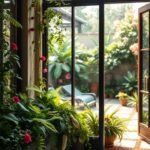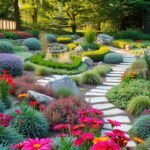

Ever feel like those shadowy corners in your yard are just wasted space? Think again! Shaded areas offer surprising perks you might not expect. Unlike sun-drenched plots, these spots need less watering during scorching summers and naturally fight off weeds. Imagine spending more time enjoying your outdoor oasis and less time maintaining it.
While some see limited sunlight as a challenge, seasoned gardeners know it’s an opportunity. From velvety hostas to delicate ferns, countless options bring color and texture to dim spaces. You’ll find blooms last longer here, too—no harsh rays to fade petals or dry soil quickly.
Worried about year-round appeal? Don’t be. Strategic plant choices create four-season drama through shifting leaf colors and layered heights. Even better? Many shade-loving varieties work beautifully in compact areas. If you’re tight on space, check out these container gardening solutions that maximize every inch.
Ready to flip the script on those “problem zones”? This guide reveals how to craft eye-catching displays that thrive where sunlight fears to tread. You’ll discover why professionals love designing for shade—and how you can too.
Understanding Shade in Small Garden Borders
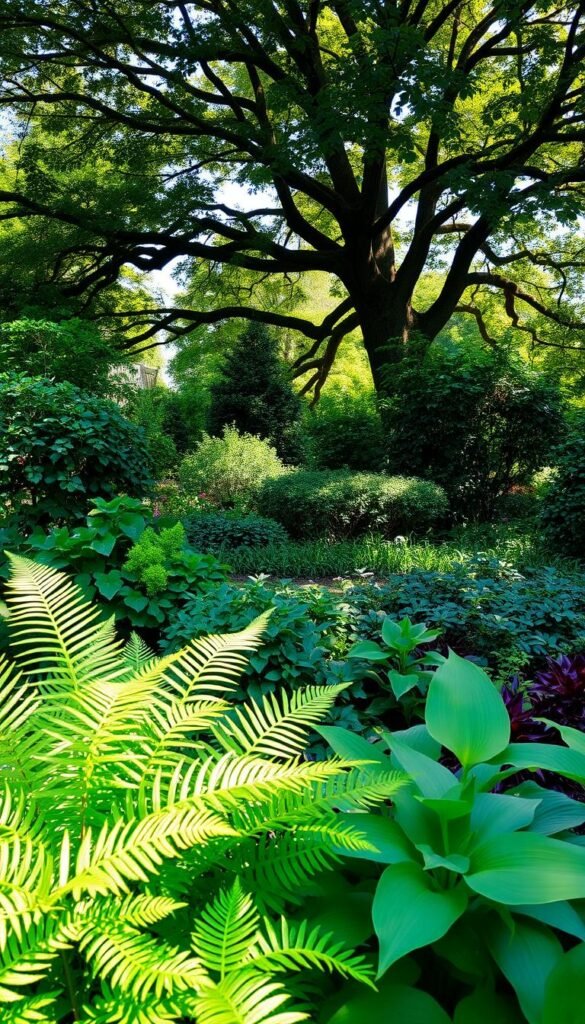
Not all shadows behave the same way—and neither should your plant choices. Cracking the code begins with knowing what kind of shade you’re dealing with. Light patterns change faster than you might think, especially in tight spaces where walls or trees create shifting conditions.
Identifying Types of Shade
Full shade means less than four hours of direct sunlight daily—common under dense evergreens. Partial shade gets 4-6 hours, often with morning sun. Dappled shade dances under tree canopies, offering filtered rays perfect for delicate blooms.
The trickiest scenario? Dry shade near thirsty tree roots. Here, both moisture and light play hard to get. But don’t panic—plants like epimediums adapt beautifully once you understand the rules.
Assessing Your Garden’s Light Conditions
Grab a notebook and track sunlight hourly. Notice how afternoon rays differ from morning’s gentle touch. Seasonal shifts matter too—what’s shaded in summer might bask in winter sun.
Pro tip: Use a light meter app for precision. Mark zones as “full,” “partial,” or “dry” shade. This map becomes your cheat sheet for pairing plants with their ideal spots. Remember, even identical-looking corners can have wildly different growing conditions!
Benefits of a Shady Garden Border
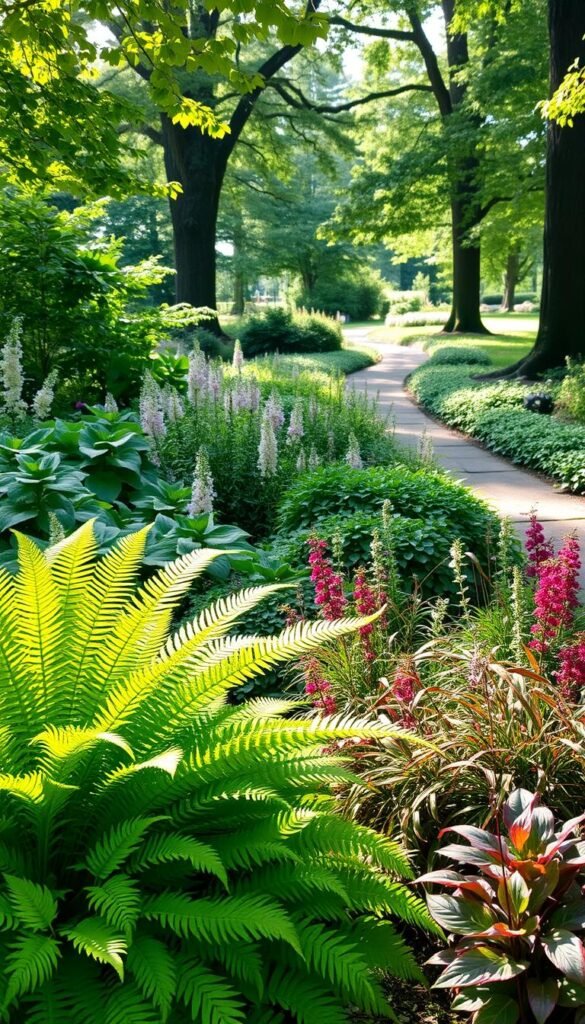
Beat the heat while saving time! Shaded spaces give you more leisure and less labor. Unlike sun-baked plots, these areas naturally suppress weeds and conserve moisture. Your weekends won’t disappear into endless watering sessions.
Flowers here play the long game. Blooms in dimmer spots often outlast their sun-soaked cousins by weeks. Hydrangeas and astilbes keep their vibrant colors longer without midday rays bleaching their petals. You’ll enjoy extended color cycles that make neighbors do double-takes.
| Shady Border | Sunny Border | Advantage |
|---|---|---|
| Weekly watering | Daily watering | 66% less work |
| 3 weeds/month | 15 weeds/month | 80% reduction |
| 6-week blooms | 3-week blooms | Double duration |
Summer’s scorchers? No sweat. These microclimates stay cooler, protecting roots from stress. Last year’s drought? My shade plants barely noticed while sunny counterparts needed ICU care.
Winter brings its own magic. Evergreen ferns and hellebores maintain structure when other areas look barren. Textural contrasts between glossy leaves and feathery fronds create visual intrigue year-round. You’ll trade constant upkeep for lasting beauty that evolves with the seasons.
Choosing the Right Plant Varieties for Shade
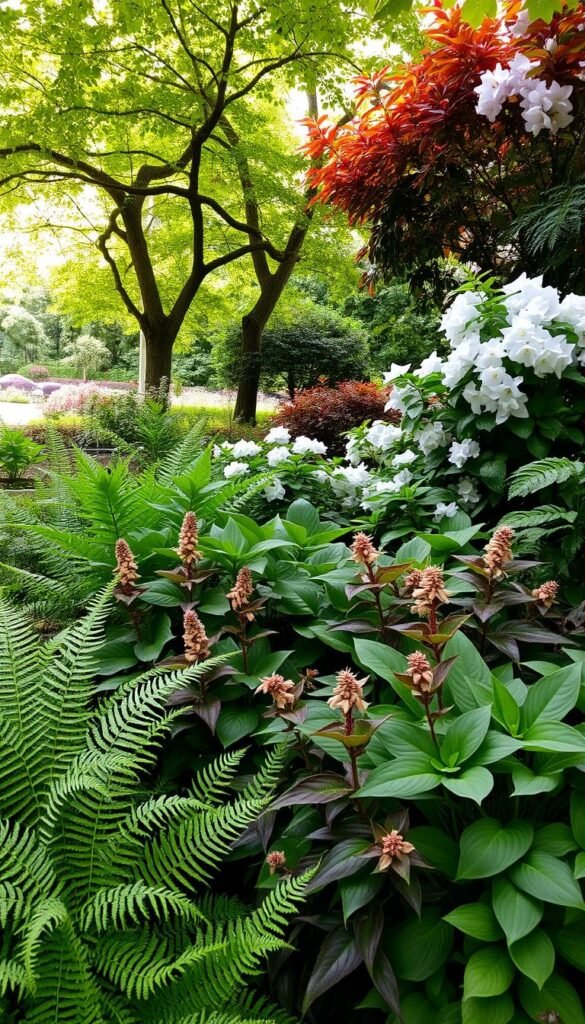
Ever notice how shadows transform ordinary spaces into moody masterpieces? The secret lies in picking varieties that dance with darkness rather than fight it. Unlike sun-drenched gardens, dim areas let you play with subtlety—think velvet leaves whispering beside feathery fronds.
Shade-loving Flowers vs. Lush Foliage
Bright blooms like bleeding hearts add pops of color, but foliage steals the show in low-light areas. Silver-streaked hostas or crimson heuchera leaves create drama without a single flower. You’ll find textures matter more here—glossy surfaces catch stray light, while matte finishes absorb it.
Balance is key. Pair flowering shade-loving plants with structural evergreens for year-round appeal. Lungworts offer both: spotted leaves in spring, cobalt blooms in summer. Spiky carex grass beside round-leafed bergenia? That’s contrast working overtime.
Smart selections do double duty. Japanese painted ferns unfurl metallic fronds that outshine most flowers. Meanwhile, foamflowers deliver heart-shaped leaves and frothy white blooms. You’re not just filling space—you’re crafting layered art that evolves daily.
Remember scale. Towering astilbes work behind compact coral bells. This stacking trick makes tiny borders feel deeper. Your shady corner becomes a living collage where every leaf and petal plays its part.
Plant recommendations for shady spots in small garden borders
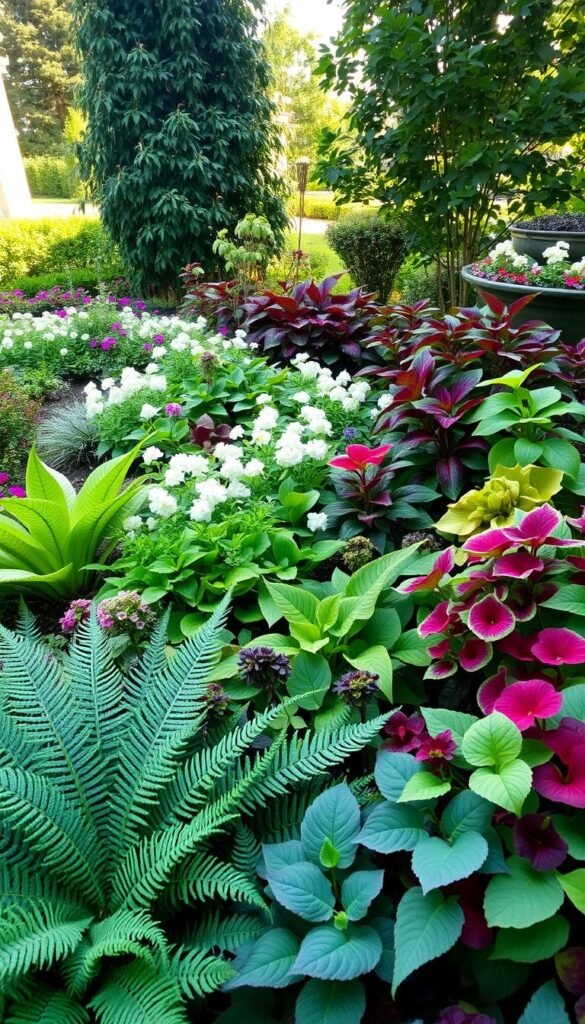
What if your dim corners could become your garden’s star attraction? Professional growers have spent years testing varieties that deliver knockout results in low-light areas. These proven winners bring both beauty and resilience to compact spaces.
Grower-Approved Champions
Five superstars consistently top experts’ lists. Astilbe shoots up feathery plumes in raspberry pink or snow white from June through August. Begonias pump out nonstop blooms until frost hits—perfect for container gardening basics in tight spots.
| Plant | Height | Bloom Time | Key Feature |
|---|---|---|---|
| Bleeding Heart | 2-3 ft | Spring | Heart-shaped flowers |
| Coral Bells | 8-18 in | Spring-Fall | Purple/bronze leaves |
| Hosta | 6-36 in | Summer | Variegated foliage |
Hostas rule shady realms with leaves ranging from blue-green to gold-edged. Pair short ‘Mouse Ears’ with tall ‘Sum & Substance’ for dramatic height contrasts. Coral bells add year-round color—their burgundy leaves pop against snow.
These selections thrive across USDA zones 3-9. Most handle dry spells once established. You’ll get multiple seasons of interest without constant fuss. Start with these proven winners, then branch out as your confidence grows!
Ideal Plants for Full Shade and Deep Shade
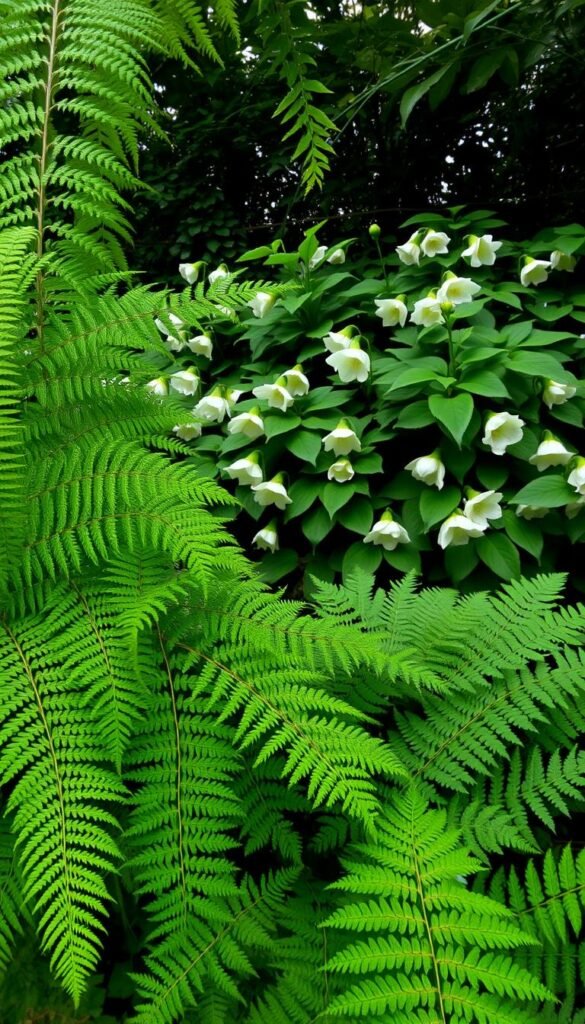
What if those dark corners could burst with life? Full shade areas—receiving less than 2 hours of direct light—and deep shade spots under dense evergreens need specialized picks. You’ll find champions in feathery ferns and winter-defying hellebores that turn challenging spaces into lush retreats.
Silent Stars of Shadowy Spaces
Japanese painted ferns steal the show with metallic silver fronds and purple stems. The ‘Crested Surf’ variety adds drama with ruffled leaf tips—perfect for zones 3-8. These 20-inch beauties thrive in rich soil, their foliage glowing brighter as summer fades.
Hellebores laugh at frost. Blooming as early as January in zones 4-9, their cup-shaped flowers come in plum, white, or speckled shades. Evergreen leaves keep your borders looking sharp even under snow. Pair them with ferns for year-round texture contrast.
| Plant | Height | Zones | Superpower |
|---|---|---|---|
| Japanese Painted Fern | 18-22″ | 3-8 | Metallic foliage |
| Hellebores | 12-18″ | 4-9 | Winter blooms |
You’ll love how these low-maintenance partners support each other. Ferns soften hellebores’ bold flowers, while the flowers brighten fern beds in early spring. Both demand minimal care—just occasional watering and mulch. Perfect for busy gardeners!
Mix different fern varieties like ‘Ghost’ or ‘Autumn’ types with hellebore cultivars. This creates depth without clutter in tight spaces. Your deep shade areas will transform into layered wonderlands that shift with the seasons.
Plants Thriving in Partial and Dappled Shade
Ever wish your garden’s filtered light areas could shine? Partial and dappled shade create ideal conditions for botanical gems that crave gentle sunlight. These spaces let you blend flowering stars with foliage maestros, offering the best of both worlds.
Astilbe steals the spotlight in these conditions, shooting up feathery plumes from June through August. Their fern-like leaves stay lush even when blooms fade. Pair them with coral bells—a foliage powerhouse that glows in lemon yellows or deep purples under tree canopies.
“Partial shade gardens let you experiment with plants that would fry in full sun but thrive with morning rays.”
| Variety | Light Needs | Showstopper Feature |
|---|---|---|
| Astilbe | Partial shade | Rainbow-colored plumes |
| Coral Bells | Shade to sun | Year-round leaf drama |
| Lungwort | Dappled shade | Spring blooms + spotted leaves |
Morning sun lovers like columbine flourish here too. Their bell-shaped flowers attract hummingbirds while their delicate leaves handle afternoon shade. You’ll get twice the bloom time compared to full-sun locations.
Dappled shade mimics woodland floors—perfect for native species like foamflower. These groundcovers spread slowly, creating living carpets under maples or oaks. Combine them with vertical interest from Japanese forest grass for dynamic texture.
Remember: partial shade areas need moist, rich soil for peak performance. A 2-inch mulch layer keeps roots happy during dry spells. With smart pairings, you’ll craft borders that outshine sun-drenched neighbors!
Caring for Your Shady Border Plants
What if your shady garden could practically care for itself? Unlike sun-drenched areas, these spaces reward smart preparation over constant attention. Focus on getting the basics right, and you’ll enjoy lush growth with minimal effort.
Watering and Soil Considerations
Shade-loving varieties often need half the water of sun plants. During last summer’s heatwave, my hostas thrived on rainfall alone while roses nearby needed daily drinks. The secret? Boost soil quality with compost or leaf mold before planting. This creates a moisture-retentive base that reduces watering needs.
Most shade plants prefer soil that’s rich but not soggy. If you’re working near tree roots, mix in perlite for better drainage. Once established, drought-tolerant ferns and hellebores can handle dry spells without wilting.
Maintenance Made Simple
Forget weekend-long chores. A 2-inch mulch layer each spring suppresses weeds and locks in moisture. Slow-growing varieties like coral bells rarely need pruning—just remove dead leaves in early spring.
| Task | Shade Plants | Sun Plants |
|---|---|---|
| Watering Frequency | Every 10-14 days | Every 3-5 days |
| Annual Pruning | 1-2 times | 4-6 times |
| Weeding Sessions | Monthly | Weekly |
Fertilize sparingly. Too much food leads to leggy growth in low-light conditions. A balanced organic feed in April keeps foliage vibrant without overwhelming plants. You’ll spend more time enjoying your green retreat than maintaining it!
Incorporating Height and Structure with Trees and Shrubs
Vertical elements can transform flat shady areas into multi-level wonderlands. Trees and shrubs act as living sculptures, creating depth where ground plants can’t reach. Their branches frame views while casting delicate shadow patterns below.
Seasonal Partners in Structure
Dogwoods shine in dappled light with spring blooms that resemble floating clouds. Compact varieties like ‘Pink Charm’ stay under 15 feet tall—ideal for tight spaces. Their winter silhouettes add stark beauty when paired with evergreen shrubs.
Abelia brings year-round flair with tubular flowers from June to frost. The ‘Kaleidoscope’ variety dazzles with orange-gold leaves that intensify in autumn. These shrubs handle morning sun but thrive in afternoon shade, especially in southern zones.
| Plant | Height | Zones | Best Feature |
|---|---|---|---|
| Dogwood | 10-15 ft | 5-9 | Spring blooms + winter interest |
| Abelia | 3-6 ft | 6-9 | 4-month bloom period |
Evergreen holly or boxwood maintains structure when deciduous plants drop leaves. Space them wisely—allow room for mature widths while creating shade pockets for ferns below. This layered approach mimics natural woodlands effortlessly.
Pro tip: Place taller trees toward the border’s back. Mid-height shrubs fill the middle, letting shorter perennials shine up front. You’ll craft a living tapestry that delights from soil to skyline.
Enhancing Texture and Color with Foliage
What if leaves became your garden’s main attraction? In dimmer spaces where blooms take a backseat, foliage steps into the spotlight. Smart combinations of leaf shapes and hues create year-round drama that flowers alone can’t match.
Playing with Leaf Architecture
Contrast reigns supreme. Pair strappy liriope blades with hosta’s broad plates for instant visual pop. Add Japanese forest grass—its cascading strands create movement beside bold elephant ear leaves. You’re not just growing plants—you’re designing living sculptures.
Coleus steals the show with neon patterns. Newer varieties like ‘ColorBlaze Golden Dreams’ glow in low light without fading. Their serrated edges and maroon veins add complexity to green backdrops. Best part? They focus energy on leaves rather than fleeting flowers.
| Soft Texture | Bold Contrast | Color Boost |
|---|---|---|
| Maidenhair fern | Caladium | Coleus |
| Lamb’s ear | Hosta | Coral bells |
Variegated stars brighten dark corners. Try Pulmonaria ‘Trevi Fountain’—its silver-splashed leaves reflect light like nature’s mirrors. Combine with deep burgundy heuchera for a jewel-box effect that lasts from spring thaw to first frost.
Remember: odd numbers work best. Group three contrasting specimens together for maximum impact. Your shady oasis will prove foliage deserves center stage!
Jungle Garden Inspirations for Shady Areas
What if your shadowy nook could channel tropical vibes? Shaded spaces naturally mimic rainforest understories, making them perfect for lush, exotic designs. With smart layering, you’ll transform dim corners into vibrant retreats that feel worlds away from suburbia.
Layering Techniques for Exotic Effects
Start with towering elephant ears or tree ferns as your canopy layer. Their broad leaves create instant drama while casting dappled light below. Mid-height plants like philodendrons add texture with split leaves that catch stray sunbeams.
Ground-level magic happens with creeping fig or caladiums. Their colorful patterns pop against dark soil. For vertical interest, train passionflower vines up weathered trellises. This stacking trick tricks the eye into seeing depth where space is limited.
In humid climates, bromeliads thrive in tree crevices. Cooler zones? Use hardy fatsia japonica for similar tropical flair. Mix glossy and matte leaves to amplify light play—your shady garden becomes a living mosaic that whispers adventure.
These ideas prove even low-light areas can transport you. With layered plants and strategic textures, your slice of jungle awaits—no plane ticket required!