Imagine stepping into a vibrant outdoor space that calms your mind without draining your weekends. A thriving landscape that blends natural beauty with simpler care routines isn’t just possible—it’s within reach. By focusing on intentional design strategies, you can craft an environment that grows fuller each season while demanding less from you.
Let’s clear up one myth first: no yard is completely hands-off. But with clever plant selection and layout decisions, you’ll spend more time enjoying your sanctuary than tending to it. The secret lies in building systems that work with nature’s rhythms rather than fighting them.
Think about grouping plants by their water needs or choosing native species adapted to your local climate. These choices create self-sustaining ecosystems that flourish with minimal intervention. You’ll also discover how hardscaping elements like stone pathways or mulch beds add structure while cutting down on weeding.
This approach isn’t about sacrificing visual appeal—it’s about creating lasting charm through thoughtful planning. Your outdoor area becomes a personal haven where relaxation takes priority over constant chores. Ready to transform how you experience your yard? Let’s explore how smart foundations lead to years of effortless enjoyment.
Understanding the Concept of a Low-Maintenance Garden
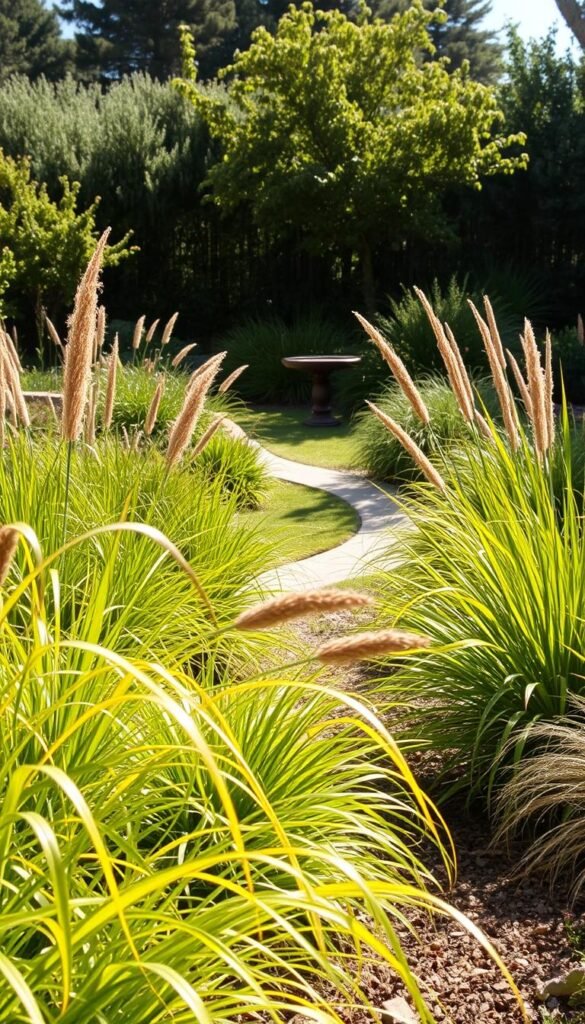
Picture a space where greenery thrives without endless pruning or watering. A low-maintenance garden focuses on harmony between nature and your schedule. It’s not about removing beauty—it’s about building smarter systems that let you relax while your plants do the heavy lifting.
Forget sparse gravel yards or artificial turf. Effective landscaping here uses native species that adapt to local weather and soil. These choices cut watering needs and resist pests naturally. You’ll spend less time fixing issues and more moments savoring your outdoor sanctuary.
| Feature | Traditional Approach | Low-Maintenance Solution |
|---|---|---|
| Plant Selection | High-water annuals | Drought-tolerant perennials |
| Watering Needs | Daily sprinklers | Rainwater-fed irrigation |
| Weeding Frequency | Weekly sessions | Mulch barriers |
| Aesthetic Appeal | Seasonal blooms | Year-round texture & structure |
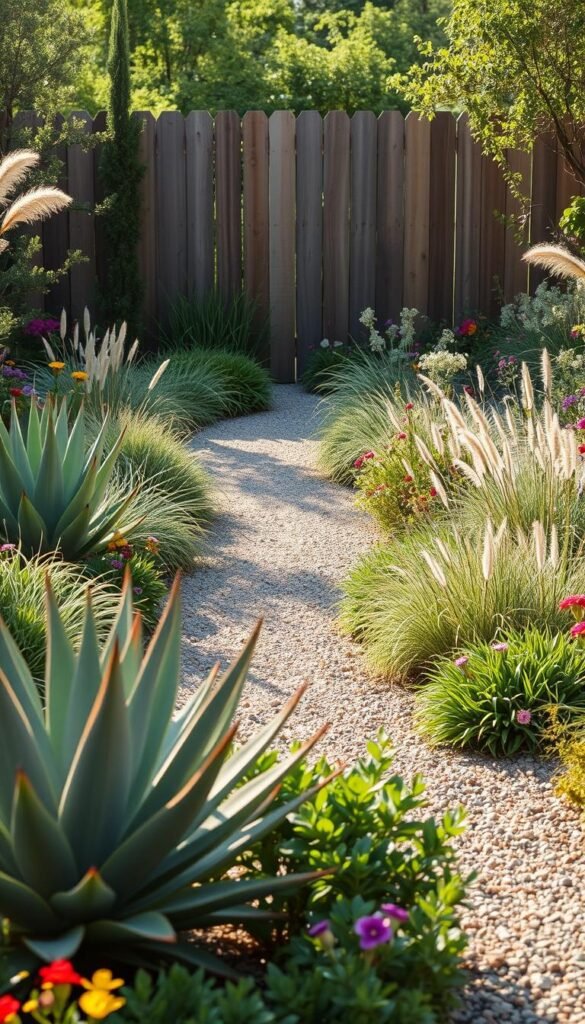
Smart design also means grouping vegetation by sunlight and moisture preferences. This creates microclimates that reduce care demands. Add stone pathways or decorative gravel to define areas while suppressing weeds.
The result? A living canvas that evolves gracefully, asking little but giving much. Your weekends stay free, and your garden becomes a self-renewing retreat tailored to your life’s rhythm.
Planning Your Outdoor Space for Reduced Upkeep
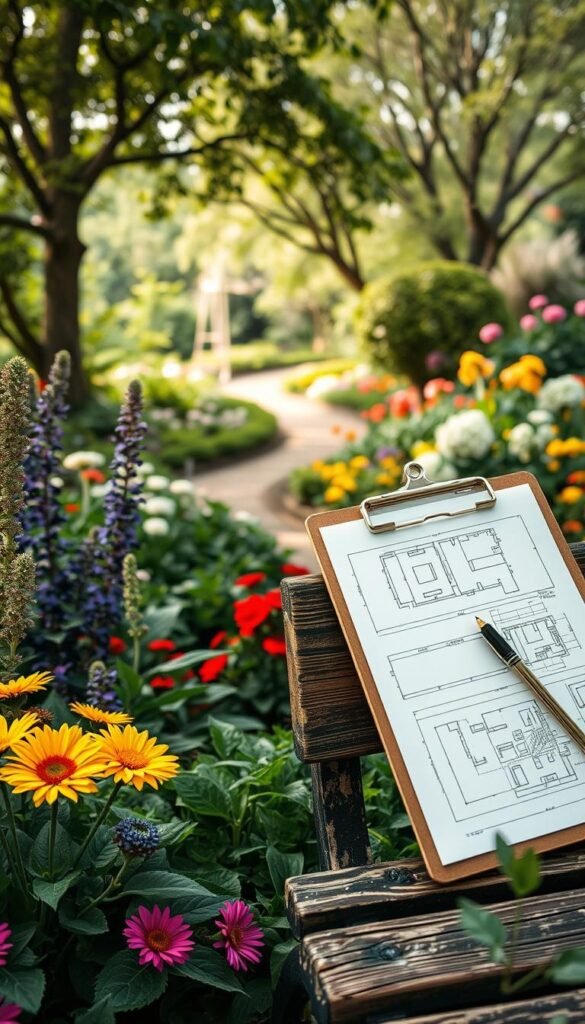
Your journey to an effortless yard begins with a clear-eyed evaluation. Walk through your outdoor space with fresh perspective, noting where time-consuming tasks outweigh enjoyment. This honest assessment becomes the blueprint for smarter planning.
Assess Your Current Garden Layout
Jot down problem spots—maybe that patch where plants never thrive or the pond requiring weekly scrubs. Ask yourself:
- Which areas demand constant watering or pruning?
- Does your lawn dominate weekends with mowing?
- Are delicate roses draining your energy?
Create two lists: features you love and those causing frustration. This clarity helps prioritize changes that deliver maximum impact with minimal effort.
Define Your Vision for Easy Care
Envision how you want to use your garden. Could gravel paths replace fussy flower beds? Would native shrubs thrive better than thirsty annuals? Consider sustainable landscape principles that work with nature’s patterns.
Set achievable goals—like converting 30% of lawn to drought-resistant groundcover. Multi-functional zones (a seating area doubling as herb space) maximize utility while simplifying maintenance. Remember: small, strategic shifts create lasting freedom.
Smart Irrigation and Watering Techniques
Revolutionize how you hydrate your landscape through smarter methods. Modern irrigation systems cut wasted effort while keeping plants thriving. These solutions work quietly in the background, adapting to your yard’s unique needs.
Drip Irrigation Systems for Precision Watering
Say goodbye to guesswork with targeted drip irrigation. Thin tubes deliver water straight to roots, reducing evaporation by up to 60% compared to sprinklers. Timers let you program schedules, so even container plants stay hydrated while you’re busy.
Multi-zone setups allow custom watering for sun-baked shrubs versus shaded perennials. Advanced models sync with weather apps, skipping sessions when rain’s forecasted. DIY irrigation solutions make this accessible for raised beds too.
Optimizing Soil Moisture and Water Conservation
Healthy earth acts like a sponge when you manage soil moisture wisely. Pair drip lines with organic mulch to lock in hydration longer. Moisture sensors can trigger watering only when needed, preventing oversaturation.
Group plants by thirst levels to avoid underwatering or waste. Water conservation strategies like morning watering and soil amendments boost efficiency. Your plants get what they need—nothing more, nothing less.
Choosing the Right Plants for Minimal Maintenance
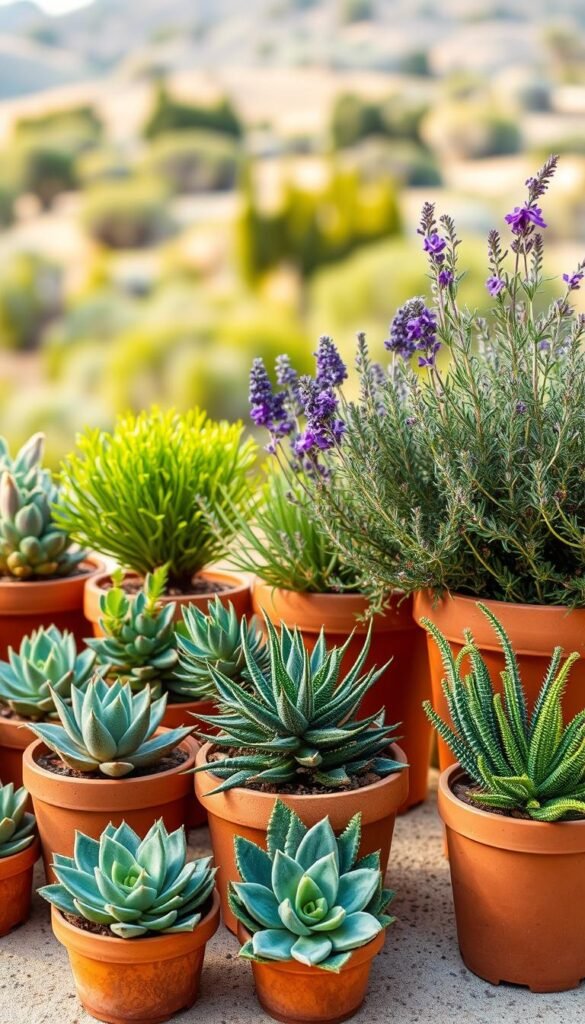
Your plant choices determine whether your outdoor space becomes a sanctuary or a chore. Strategic selection creates resilient ecosystems that thrive independently, letting you swap endless pruning sessions for peaceful moments among greenery.
Native and Drought-Resistant Varieties
Nature already perfected survival strategies for your region. Local species like purple coneflower or switchgrass evolved to handle your area’s rainfall patterns and soil types. These plants establish deep roots quickly, needing 70% less watering than non-natives after their first year.
Drought-tolerant options like sedum or lavender add texture while slashing irrigation needs. “A well-chosen native plant community essentially cares for itself,” notes landscape designer Mara Klein. Pair these with ornamental grasses that sway beautifully without demanding constant attention.
Proper Plant Placement and Spacing
Sun worshippers belong in bright spots—shade lovers under trees. Misplaced vegetation struggles, requiring extra care to compensate. Study your yard’s light patterns before planting, and remember: even container gardening ideas thrive when plants get their preferred conditions.
Allow breathing room between specimens. Overcrowding invites disease and forces frequent pruning. Check mature sizes on plant tags—a 3-foot shrub might grow to 8 feet wide. Smart spacing reduces competition for nutrients and lets each plant showcase its natural form.
Incorporating Hardscape Elements for Low Maintenance
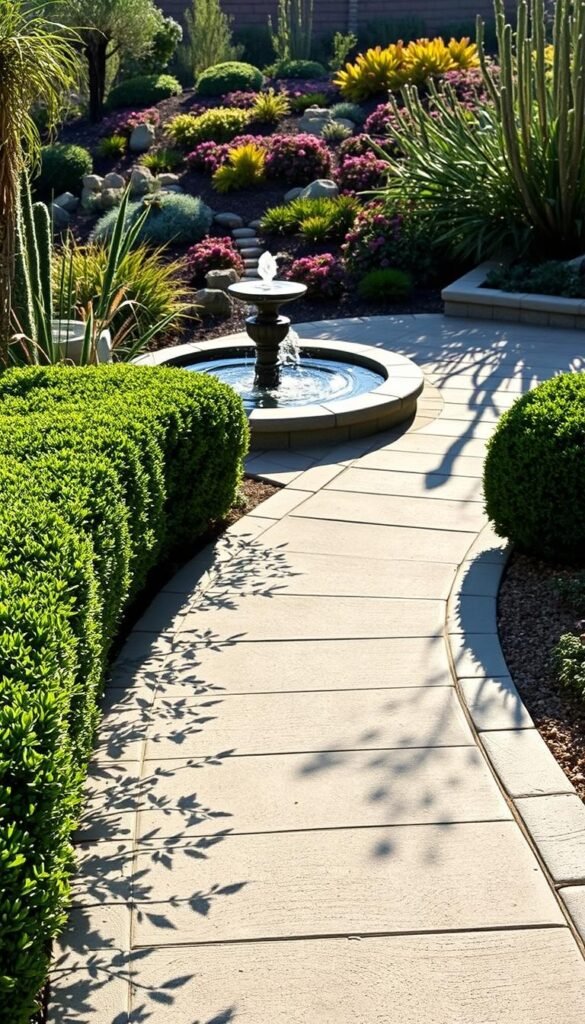
Transform your yard into a structured retreat with elements that endure. Hardscapes bring order to your outdoor space while cutting routine chores. These permanent features anchor your landscape, offering beauty that withstands seasonal changes.
Why Stone and Pavers Shine
Natural stone pathways create inviting routes between garden zones. Concrete patios withstand heavy foot traffic year-round. Permeable pavers let rainwater soak into the ground, preventing puddles and protecting soil health.
These materials need occasional care to stay pristine. Pressure washing removes grime, while sealants protect surfaces from weather damage. Weed-resistant joint fillers keep cracks clean between stones.
- Multi-level terraces simplify sloped areas
- Retaining walls double as casual seating
- Gravel beds suppress weeds naturally
Choose materials matching your local climate. Freeze-resistant options prevent cracking in cold regions. Darker stones retain heat in cooler zones, while light-colored surfaces stay cooler in sunny yards.
Strategic placement matters most. Frame planting beds with stone borders to contain growth. Use wide pathways for easy navigation during rainy seasons. Your landscape gains functionality while shedding high-effort tasks.
Using Mulch to Control Weeds and Conserve Moisture

Unlock hidden potential in your landscape with nature’s blanket. A 3-inch layer of organic mulch acts like a Swiss Army knife for your garden beds, tackling multiple challenges at once. You’ll smother weed seeds before they sprout while locking precious moisture into the soil.
Bark chips and shredded leaves create living armor against invaders. As these materials break down, they feed your plants like slow-release vitamins. “Organic mulch builds healthier earth while saving countless hours,” observes landscape expert Tara Woodward.
For permanent solutions, try crushed stone or river rock in high-traffic areas. These inorganic options maintain crisp edges year after year. Just remember to keep mulch 2 inches away from plant stems to prevent rot.
| Mulch Type | Best For | Refresh Cycle |
|---|---|---|
| Bark Chips | Flower Beds | 18-24 months |
| Pea Gravel | Pathways | 5+ years |
| Compost | Vegetable Gardens | Annual |
Time your applications with the seasons. Early spring mulching prevents weeds from gaining footholds, while fall layers protect roots through winter. You’ll slash watering frequency and watch your water bill shrink.
Mix materials strategically – soft compost around delicate perennials, rugged gravel near seating areas. Your ground becomes a textured tapestry that works while you relax.
Reduce Upkeep with Proven Low Maintenance Garden Design Tips
Your outdoor space can become a thriving retreat that adapts to your lifestyle instead of dictating it. By combining smart plant choices with intentional layouts, you’ll create an environment where nature does most of the work. Focus on species like low-maintenance plants that naturally resist pests and drought, cutting your care routine in half.
Strategic placement matters just as much as selection. Group vegetation with similar sunlight and water needs to create self-sustaining zones. Pair this approach with drip irrigation systems and mulch layers to lock in moisture while suppressing weeds.
Remember: simplicity drives lasting beauty. Stone pathways or decorative gravel add structure without demanding constant attention. These elements work year-round, providing visual interest even when blooms fade.
Your transformed yard becomes a place of effortless enjoyment—where mornings start with birdsong, not chore lists. With these time-saving strategies, you’ll reclaim weekends while nurturing a landscape that grows more resilient each season.