
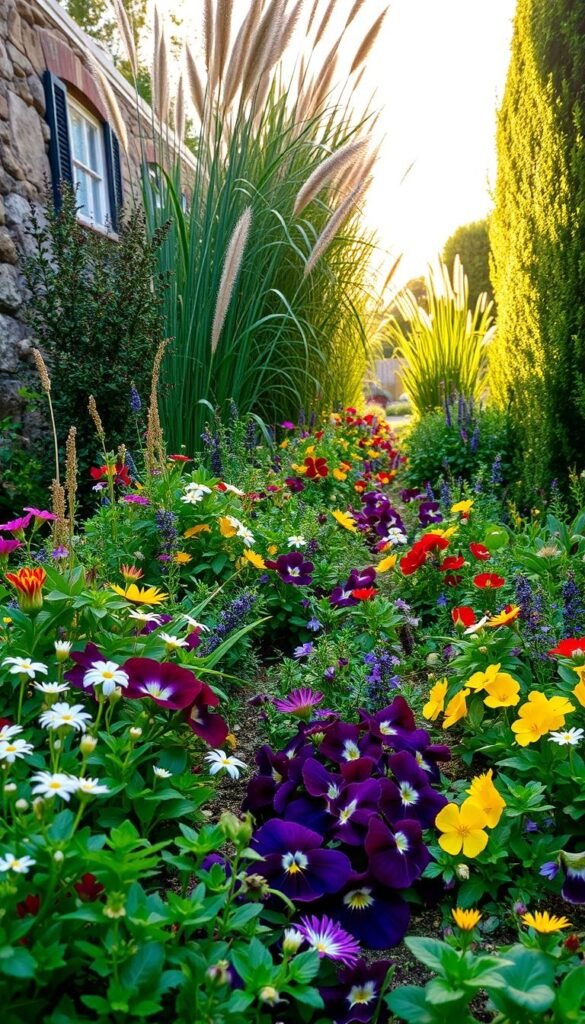
Transforming narrow strips of land into lush displays doesn’t require acres of space—just smart planning. Even the slimmest areas can burst with life when you apply intentional design strategies. Picture a vibrant ribbon of foliage where every plant earns its spot, creating depth and interest without overcrowding.
Success starts with understanding how to layer textures and hues for maximum impact. Taller plants add vertical drama, while low-growing varieties spill over edges to soften hardscapes. Pairing evergreen shrubs with seasonal bloomers ensures year-round appeal, turning your border into a living mosaic that evolves with the seasons.
Choosing the right plant varieties matters. Compact perennials like lavender or dwarf coneflowers thrive in confined spaces, offering pops of color without overwhelming the area. Mixing leaf shapes—broad hostas with feathery ferns—creates contrast that catches the eye even in limited square footage.
Smart layouts make maintenance easier while boosting visual flow. Group plants with similar needs together, and use repeating patterns to unify the space. With thoughtful preparation, your slender planting zone becomes a sustainable sanctuary that delights without demanding constant upkeep.
Transform Your Tight Space into a Vibrant Garden Oasis
Even the most compact outdoor spots can flourish with the right approach. Start by sketching your vision on paper, noting sunlight exposure and soil conditions. This simple step helps you visualize how plants will interact in your unique area before you dig a single hole.
Creative Planning and Design Tips
Successful gardening in limited zones relies on strategic choices. Place taller plants like ornamental grasses at the back to create depth, while trailing ivy softens edges. Always group species with matching water needs to simplify care. A well-planned design turns cramped corners into curated displays.
Utilizing Every Inch Effectively
Think beyond ground level! Install wall-mounted planters for herbs or hang ferns in baskets. Tiered stands let you grow succulents vertically without sacrificing walkways. These space-saving ideas add layers of interest while keeping pathways clear for enjoyment.
Remember to measure twice and plant once. Use dwarf shrubs as anchors and fill gaps with seasonal annuals. Your slim strip will burst with life when every plant serves a purpose, proving that smart gardening thrives in any size plot.
Embracing Color and Texture in Small Garden Borders
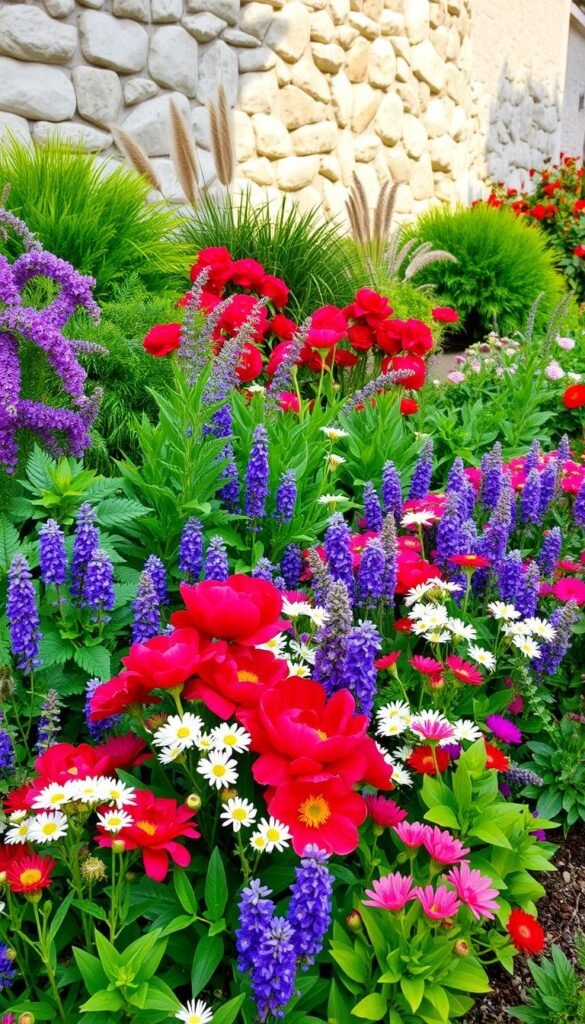
Your narrow planting strip can become a living tapestry when you weave together strategic hues and tactile elements. Imagine foliage that dances between seasons—silver sage brushing against burgundy heuchera, while spiky lavender adds vertical punctuation. This approach turns functional edges into dynamic focal points.
Start by choosing three core shades that harmonize with your home’s exterior. A sunset palette of coral, gold, and deep purple creates warmth, while cool blues and whites evoke serenity. Variety comes through supporting actors: chartreuse sweet potato vine or variegated hostas that brighten shadowy corners.
Texture works behind the scenes to amplify visual depth. Pair velvety lamb’s ear with glossy ajuga leaves, or let feathery maiden grass sway above leathery sedum. As landscape designer Julie Moir Messervy notes:
“The magic happens when rough meets smooth, and bold plays with delicate.”
For year-round appeal, layer your plantings like a seasoned stylist:
- Evergreen shrubs form the base layer
- Perennials deliver seasonal drama
- Self-seeding annuals fill gaps naturally
Track bloom cycles to maintain continuous interest. Early bulbs make way for summer phlox, followed by autumn sedum. This rhythm keeps your garden’s aesthetic evolving without gaps. Remember—every leaf and petal should earn its spot through color contribution or textural contrast.
Small garden borders that maximize color and texture in tight areas

Creating a dynamic edge in limited zones starts with plants that work overtime through the seasons. Imagine a living curtain of blooms and foliage where crocuses peek through winter’s end, summer coneflowers bask in the sun, and autumn sedums glow like embers. This ever-changing show keeps your outdoor space feeling fresh without overcrowding.
Focus on species that serve multiple roles. Coral bells, for example, offer ruffled leaves in plum hues and delicate flower spikes. Pair them with spiky dwarf fountain grass for contrast—the soft blades swaying beside bold foliage. Evergreen shrubs like boxwood anchor the arrangement, ensuring structure even when blooms fade.
Timing is everything. Early bulbs like snowdrops give way to peonies, while late-blooming asters take the spotlight as temperatures drop. Beauty thrives in this relay of color, with each plant passing the baton to the next. As landscape expert Kelly Norris advises:
“A well-choreographed border feels intentional, not accidental.”
Texture plays a supporting role. Combine velvety lamb’s ear with glossy bergenia leaves or feathery cosmos with leathery sedum. These pairings add depth, making narrow zones feel lush. Avoid common pitfalls like overcrowding by researching mature sizes—proper planning saves time and frustration.
Finally, layer vertically. Tall alliums or verbena bonariensis draw the eye upward, while creeping thyme spills over edges. This strategy tricks the eye into perceiving more space, turning constraints into creative opportunities.
Exploring Vertical Garden Solutions
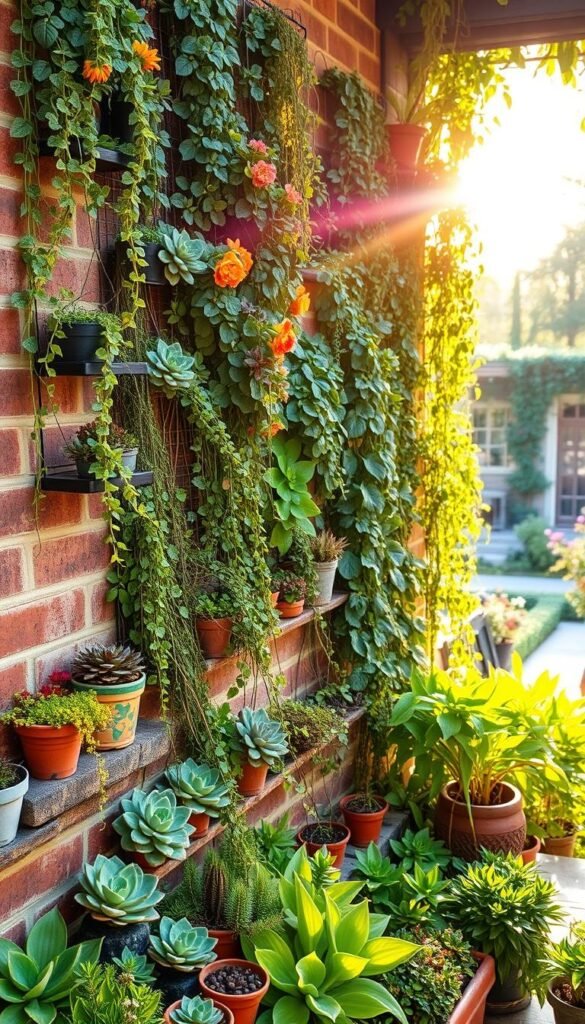
What if your blank walls could bloom with life? Vertical gardening lets you turn overlooked surfaces into thriving green zones. This approach doubles your planting capacity while adding movement and depth to compact layouts. Perfect for urban dwellers, it turns unused vertical space into living art.
Wall-Mounted Planters: Your Canvas Grows Upward
Install modular containers on fences or exterior walls to create cascading displays. Mix trailing petunias with aromatic rosemary for a fragrant, eye-catching arrangement. These systems let you adjust layouts seasonally—swap winter pansies for summer nasturtiums with minimal effort.
Stacked Herb Gardens: Flavor Meets Function
Tiered planters bring basil, thyme, and mint within arm’s reach of your kitchen. The layered design ensures proper sunlight for each herb while conserving floor area. Bonus: pollinators love the blossoms, turning your gardening project into a biodiversity hub.
| Vertical System | Best Plants | Key Benefits | Maintenance Level |
|---|---|---|---|
| Wall Planters | Trailing ivy, succulents | Maximizes wall space | Low |
| Tiered Stands | Herbs, strawberries | Easy harvesting | Moderate |
| Hanging Baskets | Ferns, begonias | Adds overhead interest | High |
Choose durable materials like powder-coated steel or UV-resistant resin. Ensure proper drainage to keep plants healthy in their elevated homes. As urban gardener Marcos Rodriguez notes:
“Vertical systems turn constraints into creative fuel—every inch becomes an opportunity.”
Rotate crops annually to maintain soil health. Incorporate drip irrigation for hassle-free watering. Your living wall will evolve into a dynamic ecosystem that delights the senses and defies spatial limits.
Innovative Container Arrangements for Lively Displays

Containers unlock endless possibilities for crafting eye-catching plant shows in limited zones. Imagine clusters of pots bursting with life—tall grasses swaying beside cascading blooms, all arranged to create depth where ground space falls short. This approach lets you curate designs that adapt as your ideas evolve, blending practicality with artistry.
Grouping by Watering Needs and Seasonal Colors
Cluster pots with similar thirst levels to simplify care. Drought-tolerant sedums thrive together, while moisture-loving ferns form their own lush group. Pair containers with complementary hues—deep purple petunias beside golden creeping Jenny—for instant visual harmony that shifts with the seasons.
Design Flexibility With Portable Planters
Moveable displays let you refresh your garden‘s look overnight. Place sun-loving geraniums on casters to chase light, or rotate shade plants into cooler corners. As horticulturist Tara Heibel suggests:
“Containers are your sketchpad—edit arrangements until every pot tells part of your story.”
Try the thriller-filler-spiller formula. Bold red cannas command attention, while white alyssum fills gaps. Silver falls dichondra spills over edges, softening hard lines. Choose pots with drainage holes and lightweight materials for easy rearranging.
Seasonal swaps keep displays vibrant year-round. Tulip bulbs emerge in spring, replaced by summer zinnias, then autumnal ornamental kale. This rhythm ensures your garden always feels fresh, proving that constraints spark creativity.
Creative Metal and Stone Garden Edging Ideas
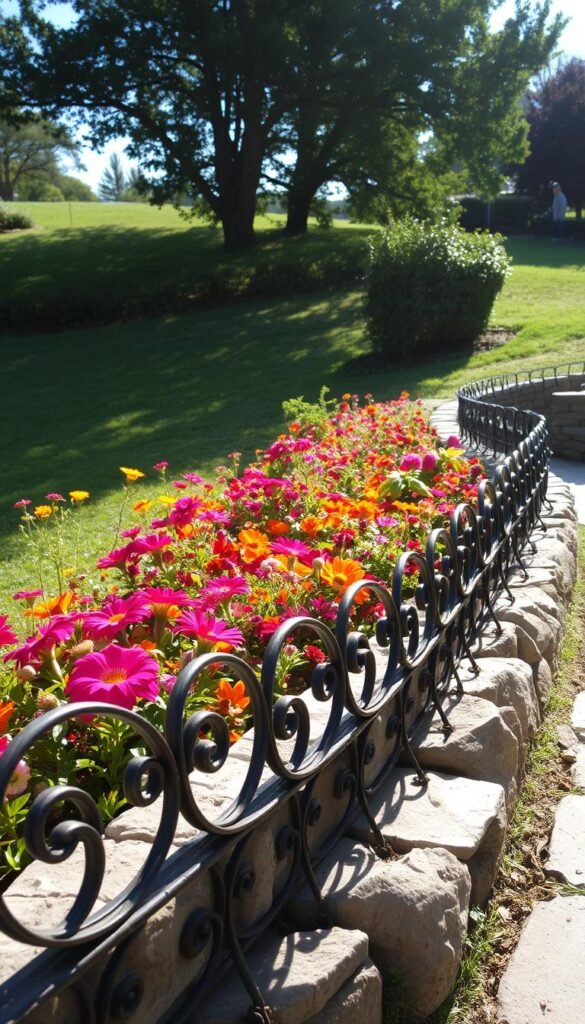
Define your outdoor canvas with structural elements that marry form and function. Edging materials act as both frame and protector, keeping greenery contained while elevating your landscape’s character. The right choice blends seamlessly with your existing hardscape while making maintenance simpler.
Corten Steel and Galvanized Finishes
Modern spaces shine with 16-gauge cold-rolled steel strips that create razor-sharp boundaries. Corten steel develops a warm rust patina over time, adding earthy tones that complement flowering plants. Galvanized options stay sleek for contemporary designs, their silver finish reflecting sunlight like jewelry for your beds.
Rock and Cobblestone Inspirations
Montana slate ledgestone brings rugged charm to cottage-style plots, while black basalt boulders anchor formal arrangements. Nestle gravel between stones for drainage and visual contrast—the crunch underfoot adds sensory appeal. As landscape architect David Despau observes:
“Natural stone tells your garden’s story through texture and time.”
Combine materials for dynamic transitions. Pair steel edges with gravel pathways near seating areas, or flank stone borders with creeping thyme. These pairings prevent grass invasions while creating intentional flow between zones. Your edging becomes both guardian and guide, directing eyes through the space without overwhelming delicate plantings.
Lush Living Borders and Shrub Accents
Building resilient living edges starts with plants that offer both beauty and backbone. Shrubs and perennials form the architectural foundation, blending structure with seasonal surprises. Their enduring presence creates rhythm in your landscape while supporting bursts of floral energy.
Selecting Hardy Perennials and Shrubs
Choose species that thrive in your climate with minimal fuss. Dwarf hydrangeas deliver months of blooms without outgrowing their space, while spirea shrubs dazzle with spring flowers and fiery fall foliage. For year-round texture, perennials like Russian sage add silvery contrast even when not flowering.
Integrating Lavender and Colorful Flowering Plants
Lavender’s gray-green foliage and purple spikes bring Mediterranean charm to sunny spots. Pair it with drought-tolerant companions like coreopsis or salvia for a low-maintenance show. These flowering partners bloom in waves, ensuring continuous color from spring through frost.
Try these dynamic duos for lasting impact:
- Boxwood hedges with creeping phlox spills
- Knock Out roses underplanted with catmint
- Dwarf fothergilla surrounded by best plants for structured borders
Landscape designer Lauren Dunec Hoang advises:
“Let shrubs define the space, then layer in perennials like supporting actors.”
This approach ensures your arrangement stays cohesive yet dynamic, adapting gracefully through seasonal shifts.
Multifunctional Border Designs for Urban Retreats
City living doesn’t mean sacrificing greenery—it invites innovation. Transform underused edges into layered sanctuaries that breathe life into concrete surroundings. Multifunctional designs turn cramped zones into retreats where beauty meets purpose, proving even postage-stamp plots can pack a punch.
Multi-tiered Arrangements for Added Depth
Stacked plantings add dimension where horizontal space falters. Imagine dwarf fruit trees shading herbs below, while climbing nasturtiums scale trellises behind benches. This vertical strategy creates microclimates, letting sun-lovers and shade-preferring species thrive side by side.
Incorporate sculpted evergreens for structure—boxwood pyramids or spiral junipers. These living sculptures frame spaces while muffling street noise. Pair them with air-purifying ivy or fragrant jasmine to boost your urban oasis’s functionality.
“Tiered borders act as green Swiss Army knives—they solve multiple challenges while looking effortlessly chic,” notes landscape architect Elena Cruz.
Try these space-smart combinations:
- Espaliered apple trees over rosemary hedges
- Hanging strawberry planters above mint patches
- Wall-mounted ferns flanking a fold-down bistro set
Your garden can evolve with your needs—swap edible plants for cut flowers as seasons change. For whimsical charm, weave in cottagecore aesthetic elements like vintage lanterns or repurposed shutters. Smart layering turns limitations into launchpads for creativity.
Narrow Pathway Garden Designs with Inviting Walkways
Turn constrained spaces into enchanting journeys with winding paths that tease the senses. A gravel bed lined with scented blooms invites discovery, transforming functional walkways into immersive experiences. Every curve becomes an opportunity to showcase seasonal stars while guiding visitors through your green haven.
Strategic Plant Placements to Define the Route
Flank your path with plants that pull double duty. Fragrant lavender releases its perfume when brushed, while ornamental grasses whisper with each breeze. Place taller specimens like foxgloves at bends to create natural waypoints, subtly directing foot traffic without obvious signage.
Consider these route-defining combinations:
- Variegated hostas paired with creeping thyme near stepping stones
- Allium globes rising above dwarf mondo grass
- Silver mound artemisia contrasting with burgundy heuchera
Enhanced Lighting and Ambience Tips
Solar-powered lanterns nestled among ferns cast playful shadows after dusk. Uplight Japanese maples to transform trunks into sculptural elements. For safety and style, embed low-voltage fixtures along the path’s edge—their warm glow highlights textures underfoot while preventing missteps.
| Light Type | Best Placement | Effect |
|---|---|---|
| Path lights | Every 4-6 feet | Defines edges |
| Spotlights | Behind feature plants | Creates drama |
| String lights | Overhead on arbors | Adds whimsy |
Landscape designer Mia Lehrer suggests:
“Lighting should feel discovered, not deployed—like fireflies caught mid-dance.”
This approach maintains magic while ensuring yourdesignremains functional through twilight hours.
Sustainable and Organic Garden Bed Ideas
Nourishing your outdoor sanctuary starts beneath the surface. By prioritizing earth-friendly methods, you create thriving ecosystems that support plants and pollinators alike. Let’s explore how simple shifts in soil care and water use can yield lush results while protecting local environments.
Natural Soil Enrichment and Composting Techniques
Healthy soil is the foundation of every vibrant planting zone. Mix kitchen scraps like coffee grounds with fallen leaves to create nutrient-rich compost. Layer green and brown materials in a bin, turning weekly to speed decomposition. Earthworms will soon join the party, aerating the mix naturally.
Top-dress beds annually with this “black gold” to boost microbial activity. For quick fixes, work aged manure or worm castings into the topsoil. These organic amendments release nutrients slowly, reducing fertilizer needs.
Eco-Friendly Water Conservation Strategies
Harvest rainwater using barrels connected to downspouts—a single storm can fill multiple containers. Install drip irrigation lines with timers to target roots directly, cutting waste by up to 50% compared to sprinklers.
Mulch generously with straw or shredded bark to lock in moisture. Group thirstier plants together for efficient watering sessions. As Better Homes & Gardens editor Lauren Phillips notes:
“A well-made compost pile becomes your garden’s multivitamin, while smart watering keeps it hydrated without excess.”
These practices build resilient beds that flourish season after season. Your efforts today create a legacy of sustainability—one bloom and buzzing bee at a time.