
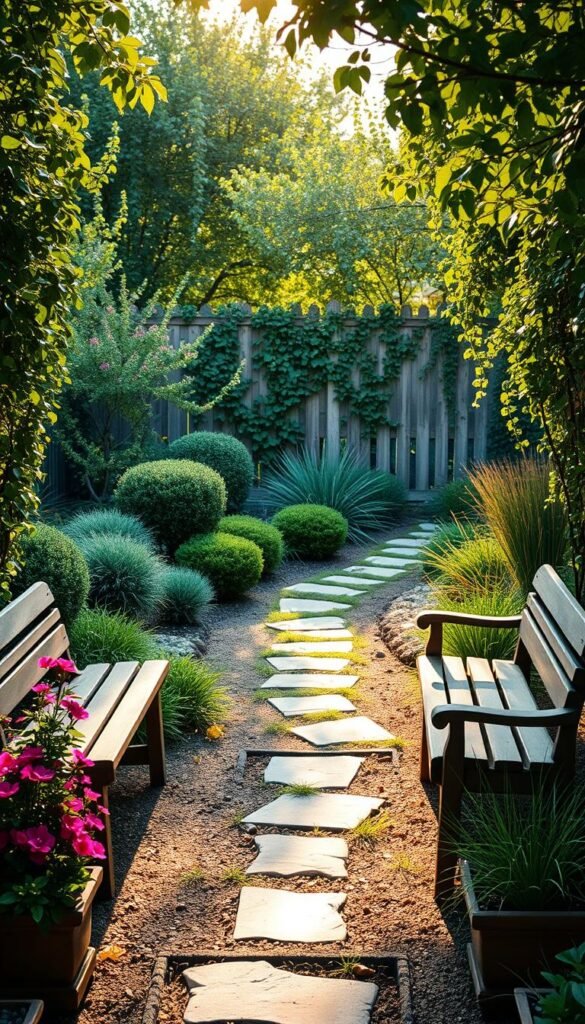
Dreaming of a refreshed outdoor area that feels like an extension of your home? You don’t need deep pockets or professional skills to create a welcoming retreat. With clever planning and creative thinking, even modest yards can become stylish havens that reflect your personality.
Affordable upgrades start with reimagining what you already have. Repurposing old containers as planters or painting worn fences can instantly revive your space. For those seeking inspiration, our guide to home gardening ideas that won’t break the offers practical solutions using everyday materials.
Functionality meets beauty in smart designs. Vertical gardens maximize limited square footage, while strategic lighting extends evening usability. These approaches prove that thoughtful details often make the biggest impact.
Whether you’re hosting summer gatherings or creating a quiet reading nook, your revitalized area will become a cherished part of daily life. Let’s explore how simple changes can elevate your property’s appeal while keeping costs manageable.
Welcome to Your Budget-Friendly Backyard Transformation
You might think a stylish backyard requires a big investment, but think again. Many homeowners feel paralyzed by visions of complex landscaping projects and pricey contractors. The truth? Your outdoor space can blossom through clever planning rather than deep pockets.
This guide cuts through the overwhelm with practical, wallet-friendly solutions. Forget sacrificing style for savings—your backyard refresh starts with rethinking what’s possible. We’ll show you how to:
- Repurpose materials you already own
- Prioritize upgrades that deliver visual impact
- Create zones for relaxation and entertainment
Smart choices beat expensive ones every time. That chipped ceramic pot? Perfect for herbs. Those leftover pavers? Ideal for defining a cozy fire pit area. Your home’s exterior becomes an extension of your personality when you focus on creativity over cost.
We’ve crafted these strategies specifically for hands-on homeowners. Each step builds confidence, whether you’re refreshing a tiny patio or reimagining an entire yard. Your dream backyard isn’t just possible—it’s waiting to unfold through thoughtful, budget-conscious decisions.
Small Garden Ideas on a Budget: Simple Backyard Landscaping Tricks

Compact outdoor areas hold untapped potential when approached with intention. The secret lies in treating every square foot as valuable real estate. A bench becomes storage, planters double as privacy screens, and walls transform into growing zones.
Strategic layering creates depth where flat designs fall short. Tall plants at the back, medium shrubs in the middle, and ground cover up front trick the eye into perceiving expanded dimensions. This approach works wonders in narrow urban yards.
Consider these multi-purpose strategies:
| Strategy | Purpose | Materials |
|---|---|---|
| Vertical gardens | Maximize growing area | Pallet racks, hanging baskets |
| Foldable furniture | Flexible seating/storage | Weather-resistant fabrics |
| Mirrored accents | Create illusion of space | Outdoor-safe mirrors |
Urban dwellers often find success with creative container arrangements that adapt to shifting sunlight patterns. These mobile gardens let you rearrange your layout with the seasons.
Limited resources spark ingenuity. That salvaged ladder? Perfect for displaying potted herbs. Those leftover tiles? Ideal for crafting a mosaic pathway. When you view constraints as creative catalysts, ordinary items become extraordinary design elements.
Your outdoor oasis grows from smart choices, not expensive ones. By focusing on flexible solutions and layered textures, you’ll craft a personalized retreat that feels twice its actual size.
Defining Your Outdoor Priorities
Your backyard’s potential blossoms when you align its design with what truly matters to your household. Start by gathering everyone who uses the area and discussing how they envision enjoying it. Does your teen need study nooks? Do you crave morning coffee spots? These conversations reveal non-negotiable elements before sketching layouts.
Assessing Your Needs and Desires
Separate must-haves from nice-to-haves using a simple two-column list. Left side: functional essentials like seating or shade. Right side: aesthetic wishes like fragrant blooms. A fire pit might rank higher than decorative statues if you host gatherings often. Remember—compact areas demand ruthless prioritization.
Ranking Features for Maximum Impact
Apply this filter to every idea: “Will we use this weekly or just admire it occasionally?” Features like built-in storage benches serve multiple purposes, while elaborate water installations might collect leaves. Consider seasonal versatility too—modular furniture works better than fixed structures in tight spaces.
Balance beauty and practicality by elevating your space with intentional details. A dining zone near the kitchen door gets used daily, whereas that Instagram-perfect zen garden might become a maintenance headache. Smart choices today prevent costly redesigns tomorrow.
Creating a Practical Layout for Limited Spaces

A well-planned layout turns cramped quarters into comfortable retreats by working with how people naturally move. Start by sketching your yard’s shape and noting existing features like doors or trees. This reveals where foot traffic naturally occurs—key to avoiding bottlenecks.
Optimizing Traffic Flow and Accessibility
Clear pathways act as your outdoor home’s arteries. Keep them at least 3 feet wide for easy movement between zones. Curved walkways often feel more inviting than rigid straight lines in tight areas. Connect high-traffic spots like grilling stations to seating clusters using gravel or stepping stones.
Try this experiment: walk through your space while carrying a tray. Where do you pause or shuffle sideways? These pain points highlight areas needing redesign. Position seating against walls or fences to preserve central open areas, and angle planters to guide views without blocking access.
| Layout Strategy | Function | Materials |
|---|---|---|
| Main pathway | Primary circulation route | Flagstone, decomposed granite |
| Secondary paths | Service access | Mulch, bark chips |
| Vertical elements | Space-saving boundaries | Trellises, tall planters |
| Mirror placement | Visual expansion | Weatherproof acrylic panels |
Professional designers often use the “5-foot rule” for compact landscaping: ensure every key area lies within five steps of another. This approach creates efficiency without clutter. For more insights on arranging tight quarters, explore our guide to maximize your garden’s potential through intelligent spatial planning.
Remember—your layout should serve daily life first. Keep trash bins near back doors and favorite seating in shaded spots. When zones flow intuitively, even petite yards feel generous and welcoming.
Merging Indoor and Outdoor Living
Imagine stepping through your living room into an airy retreat that feels like part of your house. This connection between built environments and nature makes compact areas feel expansive. Architectural choices become your secret weapon for crafting unified living zones.
Blending Spaces with French Doors and Large Windows
Glass-paned entryways act as visual bridges. French doors triple their impact by flooding rooms with sunlight while framing your outdoor space like living artwork. Sliding glass panels work wonders for modern layouts, disappearing completely to erase boundaries.
Try matching your interior flooring with patio materials. Porcelain tiles that continue from kitchen to deck create seamless transitions. “When surfaces flow uninterrupted, the eye perceives one cohesive area,” notes landscape designer Mara Lipton.
| Indoor Element | Outdoor Mirror | Effect |
|---|---|---|
| Neutral throw pillows | Weather-resistant cushions | Color consistency |
| Wooden coffee table | Teak patio set | Material harmony |
| Geometric rug | Concrete pavers | Pattern repetition |
Position potted ferns near entryways to blur where your house ends and greenery begins. Choose outdoor chairs echoing your dining set’s metal finishes. These subtle nods build continuity without matching perfectly.
Your morning coffee ritual gains new depth when you sip it at matching bistro sets inside and out. By treating these zones as interconnected spaces rather than separate rooms, you craft an organic living experience that defies square footage limits.
Maximizing Vertical Elements in Your Garden

Your walls hold more potential than you realize—they’re blank canvases waiting to bloom. Vertical gardening turns overlooked surfaces into thriving ecosystems, letting you grow upwards instead of outwards. This approach revolutionizes how you interact with limited areas.
Building Upward With Purpose
Start by transforming fences or exterior walls into lush displays. Create DIY planters using wooden boxes—drill drainage holes in each and attach heavy-duty hooks for stability. Stagger their placement to form dynamic patterns that catch sunlight throughout the day.
Ideal plants for vertical setups include:
- Herbs like thyme and oregano
- Trailing nasturtiums or petunias
- Compact cherry tomato varieties
Repurpose household items creatively. Mount old gutters horizontally for shallow-rooted greens, or hang a shoe organizer filled with succulents. Pallets secured against walls become instant herb towers when filled with soil and lined with landscape fabric.
Vertical elements do more than save space. They create natural privacy screens between seating areas and add depth to flat surfaces. A cascading wall of ivy or flowering vines becomes a living focal point that draws the eye upward, making your entire area feel larger.
DIY Landscaping Tricks and Upcycling Inspirations
Your backyard’s hidden treasures might be collecting dust at a flea market. Those chipped teacups and weathered boards hold the key to crafting outdoor magic without draining your wallet. With a little imagination, you can turn forgotten items into functional art that tells your story.
Repurposing Salvaged Materials
Scout local thrift stores for materials begging for new life. Wooden crates become raised beds, while old ladders transform into vertical herb displays. Metal buckets with holes? Perfect drainage for strawberry plants. The best finds often cost less than a latte.
| Item | New Purpose | Benefit |
|---|---|---|
| Vintage drawers | Shallow planters | Unique drainage system |
| Bicycle wheel | Trellis for climbers | Industrial-chic support |
| Baking sheets | Seed-starting trays | Rust-resistant surface |
Creative Ideas for DIY Potting Stations
Build a personalized workspace using reclaimed wood and mismatched containers. Follow these steps:
- Secure three wooden pallets in a U-shape
- Add shelves from scrap lumber
- Hang tools on repurposed towel rods
An old dresser drawer becomes soil storage, while mason jars organize seeds. These stations evolve with your needs—add hooks for hanging baskets or paint designs to match your style. You’ll save money while reducing landfill waste, creating spaces that spark joy every time you garden.
Inexpensive Outdoor Furniture and Multi-Functional Pieces

Transform your outdoor space with furniture that works smarter, not harder. Dual-purpose designs let you host friends, store supplies, and relax without cluttering your area. Every piece becomes a secret weapon against limited square footage.
Choosing Dual-Purpose Furniture
Storage benches shine as seating that hides cushions or gardening tools. Convertible tables flip from coffee height to dining size in seconds. Modular systems adapt to movie nights or solo reading sessions—no bulky sets required.
Try these wallet-friendly projects:
- Stack concrete blocks into L-shapes, top with weatherproof foam pads for instant benches
- Nail reclaimed wood across cinderblocks to create rustic side tables
- Mount folding shelves on fence posts for adjustable plant displays
| Furniture Type | Primary Use | Secondary Benefit |
|---|---|---|
| Ottoman with lid | Footrest | Blanket storage |
| Nesting stools | Extra seating | Compact stacking |
| Planter bench | Herb garden | Privacy screen |
Refresh worn pieces before replacing them. A coat of outdoor paint revitalizes faded plastic chairs. Waterproof fabric scraps become vibrant new cushion covers. Rotate configurations seasonally—push seating against walls in summer for open play areas, then cluster around fire pits in fall.
For more space-maximizing inspiration, explore our guide to creative outdoor decor ideas that marry function with personality. Your backyard becomes a shape-shifting retreat when furniture adapts to your life’s rhythm.
Budget-Friendly Hardscaping Ideas and Fire Pit Projects
Transform your evenings into cozy gatherings without draining your wallet. A custom fire pit becomes the heart of your outdoor space, drawing people together under starlit skies. Before digging, always check local burn ordinances and HOA guidelines—safety first ensures years of enjoyment.
Building a DIY Fire Pit from Simple Materials
Start with angled pavers arranged in a circle, leaving gaps for airflow. Fill the base with gravel for drainage, then line the interior with fire-safe stones. This weekend project requires just:
- 36-inch metal ring (prevents spreading)
- Crushed rock for leveling
- Decorative capstones
| Material | Purpose | Cost |
|---|---|---|
| Concrete blocks | Structural walls | $1.50 each |
| Lava rocks | Heat retention | $5/bag |
| Sand | Stabilizing base | $3.50/cu ft |
Position your feature at least 10 feet from structures and overhanging trees. For renters, portable propane fire bowls offer flickering ambiance without permanent changes. Explore low-cost fire pit landscape ideas that adapt to any space or budget.
As flames dance, you’ll savor extended autumn nights and marshmallow-roasting laughter. These gathering spots pay dividends in memories long after the embers cool.
Brightening Up with Affordable Lighting and Accents

Twilight transforms your yard into a glowing sanctuary when illuminated thoughtfully. The right lighting extends evenings outdoors, turning functional areas into inviting retreats. Solar-powered solutions and creative fixtures prove you don’t need expensive wiring to achieve dramatic effects.
Harnessing Solar Power for Nighttime Magic
Solar lights charge by day and cast warm glows after sunset. Path markers guide footsteps safely, while spotlights showcase favorite trees or sculptures. These energy-free options eliminate installation headaches and ongoing bills.
String lights work overtime in compact layouts. Drape them over pergolas to define dining zones or weave through railings for subtle ambiance. Choose weather-resistant LED versions for year-round use—their soft radiance makes every night feel special.
| Light Type | Best Use | Average Cost |
|---|---|---|
| Solar path lights | Walkway safety | $15-$30/set |
| LED string lights | Overhead ambiance | $20-$50 |
| Motion sensor spots | Security lighting | $25-$80 |
Mix practical and decorative fixtures for layered effects. Hang lanterns near seating clusters for task lighting during game nights. Bury solar-powered globes along garden edges to emphasize flowerbed textures. These touches elevate your landscaping ideas while respecting your budget.
Smart lighting choices enhance both beauty and safety. Illuminate steps with recessed fixtures, and use dimmable options to adjust moods. Your outdoor space becomes a versatile extension of your home—perfect for late-night conversations or early morning coffee rituals.
Incorporating Color, Mulch, and Natural Textures
Your outdoor space gains depth when textures and tones work in harmony. Mulch becomes your secret weapon here—a triple-threat solution that beautifies while suppressing weeds and locking in moisture. Choose rich cocoa hulls for dark contrast against lime-green hostas, or golden straw to brighten shady corners.
Organic options like wood chips break down slowly, feeding soil nutrients to thirsty plants. Municipal programs often offer free mulch from tree trimmings—check local recycling centers or neighborhood forums. One gardener’s yard waste becomes your garden’s treasure.
Mix materials strategically for professional results. Pair ruby-red mulch with silver-toned artemisia, or layer pebbles around drought-tolerant succulents. These combinations create visual rhythm while reducing maintenance. Textured stone borders define flower beds better than plastic edging, lasting years without replacement.
Don’t overlook fallen leaves or pine needles as free ground cover. They decompose naturally, enriching soil as winter protection for delicate roots. Your landscaping evolves into a living ecosystem where every element serves multiple purposes.
Simple Container and Raised Bed Garden Strategies
Elevate your planting game without digging deep into savings. Containers and raised beds unlock fresh possibilities for urban growers and suburban gardeners alike. These adaptable solutions let you control soil quality while adding visual interest to patios, balconies, or narrow side yards.
Breathing New Life Into Everyday Objects
That chipped colander? Perfect for strawberries. Those wooden crates? Ideal herb beds. Upcycled containers become conversation starters when you lean into their quirks. Drill drainage holes in vintage toolboxes for succulents, or line woven baskets with burlap for trailing flowers.
Raised beds built from salvaged materials solve multiple challenges. Stack cinderblocks horizontally to create modular planting zones. Fill them with nutrient-rich soil for vegetables that thrive above compacted ground. This approach keeps roots happy and reduces bending during harvests.
Your garden grows richer when you rethink ordinary items. Paint mismatched pots in cohesive colors for unity, or arrange terra-cotta planters at varying heights. These small touches create curated displays that feel intentional, not improvised.