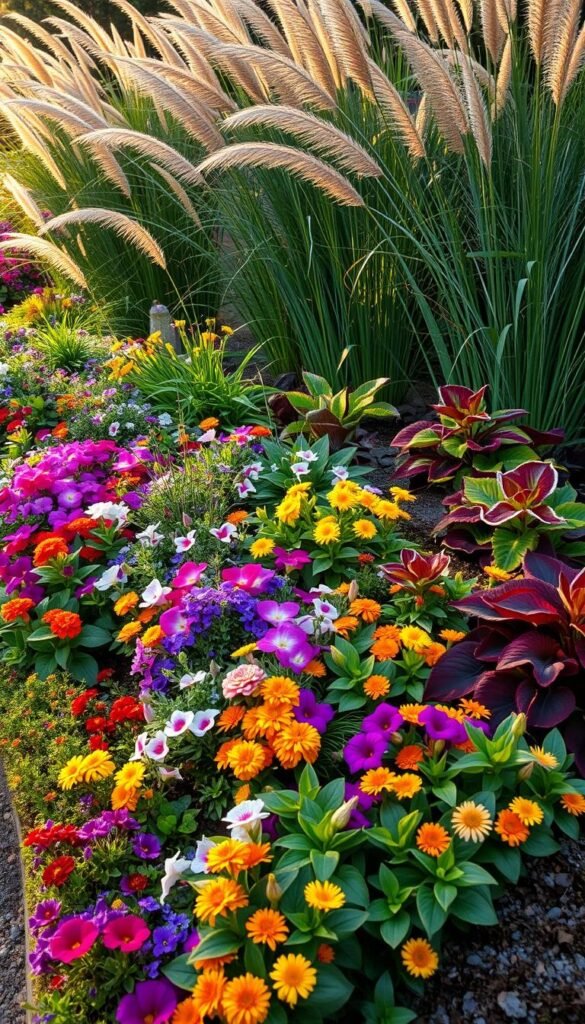
Transforming tight outdoor areas into thriving green spaces might seem challenging, but it’s packed with hidden potential. Whether you’re working with a petite balcony or a slim backyard strip, clever planning can turn limitations into advantages. The secret lies in approaching your project with intention—designing smart layouts, positioning plants thoughtfully, and nurturing growth effectively.
Many assume limited square footage means fewer possibilities, but compact gardens actually encourage innovation. By focusing on strategic arrangements, you create room for plants to flourish while crafting eye-catching displays. Professionals emphasize three core principles: tailor-made layouts, mindful placement of vegetation, and nutrient-rich soil management.
Constraints often spark creativity you might not explore in larger plots. Instead of viewing your slender area as restrictive, see it as a chance to experiment with vertical layers or mixed-texture plants. Families especially benefit from these manageable spaces—they’re perfect for teaching kids about gardening while keeping maintenance achievable.
Success starts with patience rather than rushing to fill every inch. Thoughtful preparation ensures your plants thrive season after season. Ready to reimagine what’s possible? Let’s dive into techniques that help you maximize beauty and functionality, even in the coziest corners.
Embracing the Charm of Small Garden Borders
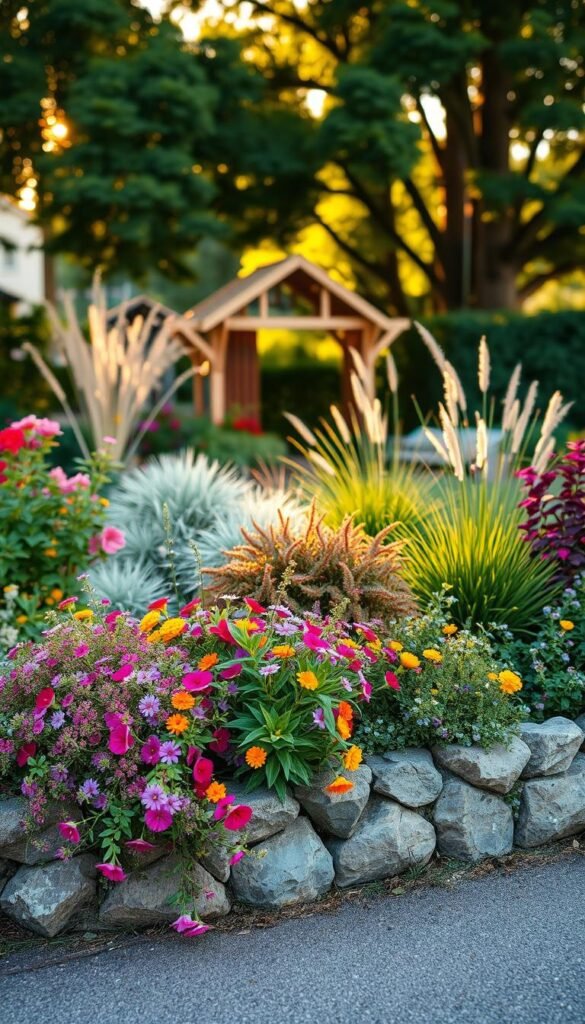
Compact gardens invite creativity through their very limitations. Unlike sprawling landscapes, these cozy spaces let you craft meaningful connections with every plant. Think of your border as a living canvas where each choice matters—a chance to blend colors, textures, and scents in ways large gardens rarely achieve.
The Allure of Compact Spaces
Small borders create outdoor rooms that feel personal and inviting. You notice individual blooms more closely, like the velvet texture of a pansy or the citrusy scent of miniature roses. This intimacy makes maintenance simpler too—you can water, prune, and admire without feeling overwhelmed.
Professional displays often use tricks that don’t work long-term. As one horticulturist notes: “Show gardens are theater—they’re not built to thrive, just to dazzle for a weekend.” Your space doesn’t need that pressure. Instead, focus on combinations that bring you joy season after season.
Challenges and Opportunities in Narrow Plots
Tight areas push you to think vertically. Try trailing ivy in hanging planters or climbing beans on slim trellises. You’ll save ground space while adding depth. Limited room also means smarter plant choices—dwarf varieties and multi-season performers become stars.
Best part? Mistakes cost less in small borders. Swap plants easily if a color clashes or a species struggles. This flexibility lets you experiment with bold garden design ideas without commitment issues. Before you know it, your narrow plot becomes a showcase of clever solutions.
Essential Spacing Tips for Planting Small Garden Borders in Narrow Plots
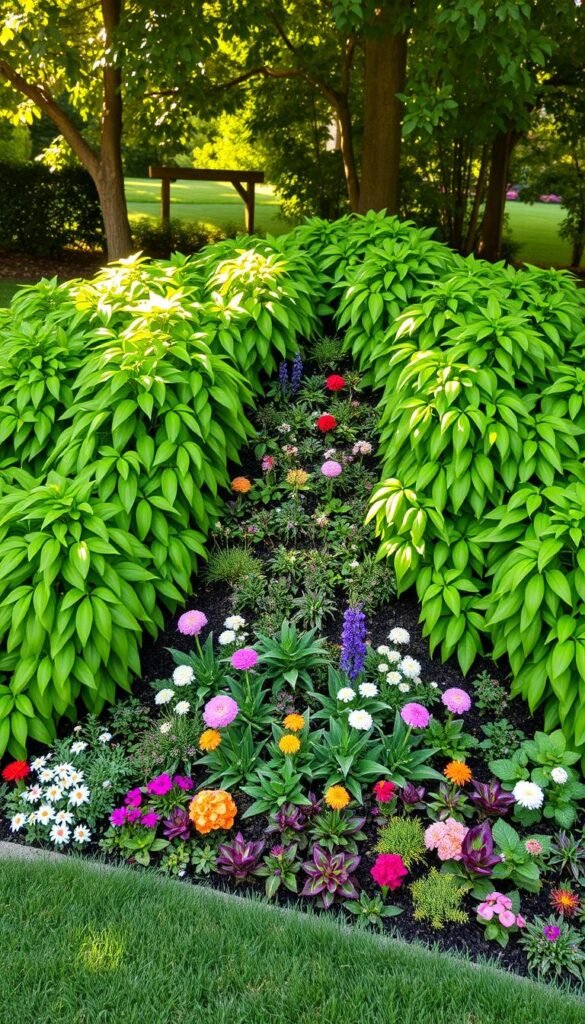
Smart spacing transforms cramped areas into lush displays where every plant thrives. The golden rule? Use three-quarters of the spacing suggested on seed packets. If directions say 12 inches, go for 9. This adaptation gives roots breathing room while letting you grow 30% more vegetation in tight spots.
Try the triangle technique instead of straight rows. Arrange your greenery in offset patterns like bowling pins. This clever trick creates natural air channels and helps roots expand sideways without competition. You’ll fit 15% more specimens compared to traditional layouts.
Resist filling every bare patch. Overcrowded greenery becomes weak and disease-prone. Leave elbow room so dominant species don’t hog sunlight or nutrients. Here’s a pro tip: stronger growers like lavender need buffer zones, while compact herbs tolerate tighter quarters.
| Plant Type | Standard Spacing | Adjusted Spacing | Layout Style |
|---|---|---|---|
| Dwarf Shrubs | 24″ | 18″ | Triangular |
| Perennial Flowers | 12″ | 9″ | Checkerboard |
| Leafy Greens | 6″ | 4.5″ | Offset Rows |
Your soil type matters too. Sandy soils drain quickly, letting you place vegetation slightly closer. Clay-heavy earth needs extra room for roots to breathe. Always test ground density before finalizing your plan—it affects how plants develop over time.
Calculate exact quantities by multiplying border length by width, then divide by each plant’s space needs. For triangular arrangements, use this formula: (Area × 1.15) ÷ Individual space requirement. You’ll avoid sparse patches and jungle-like overcrowding.
Designing Your Garden for Maximum Impact
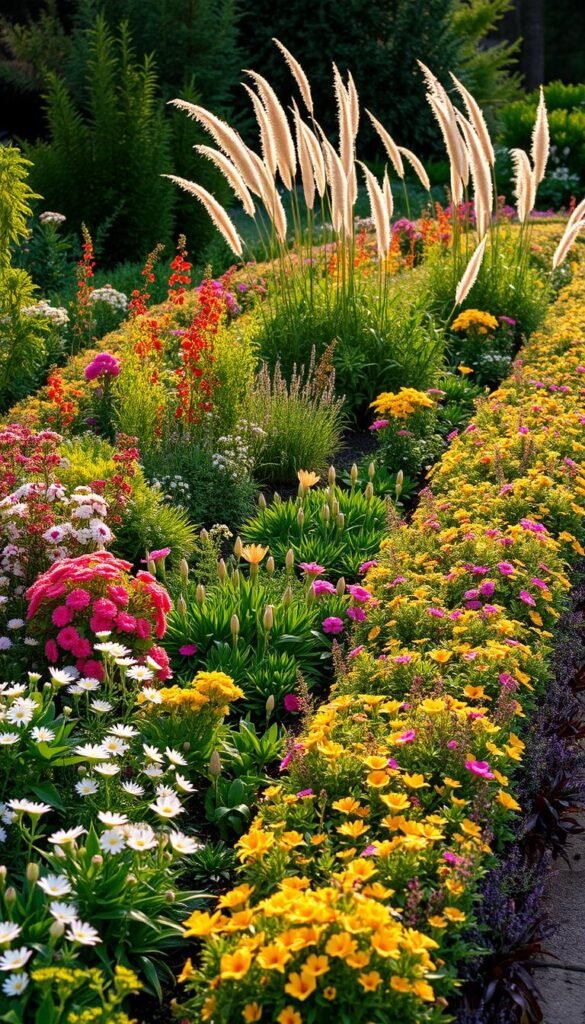
Your garden’s potential shines when you play to its strengths. Start by observing how sunlight dances across your space. South-facing borders soak up 6+ hours of summer sun—ideal for roses or lavender. North-facing spots? They’re perfect for hostas and ferns that thrive in cool shadows.
Analyzing Your Available Space and Light
Track sunlight patterns over three days. Full-sun areas need plants that handle heat, while partial-shade zones suit coleus or astilbe. Don’t forget soil tests—kitchen vinegar and baking soda can reveal pH levels. Sandy soils drain fast; clay holds moisture longer.
| Light Condition | Daily Sun Hours | Soil Preference | Plant Matches |
|---|---|---|---|
| Full Sun | 6+ | Well-drained | Sedum, Salvia |
| Partial Shade | 3-6 | Moist | Heuchera, Begonia |
| Full Shade | <3 | Rich organic | Hellebore, Ferns |
Incorporating Flavorful Foliage and Flower Contrasts
Mix spiky yucca leaves with round hydrangea blooms for drama. Stick to two main colors—purple sage paired with yellow coreopsis creates vibrancy without chaos. Foliage texture matters as much as flowers. Try velvety lamb’s ear beside glossy camellias.
Vertical layers add depth in tight spaces. Train clematis up obelisks or use dwarf Japanese maples as living sculptures. Remember: staggered bloom times keep your border lively from spring frosts to autumn’s first chill.
Preparing Your Soil and Enhancing Fertility
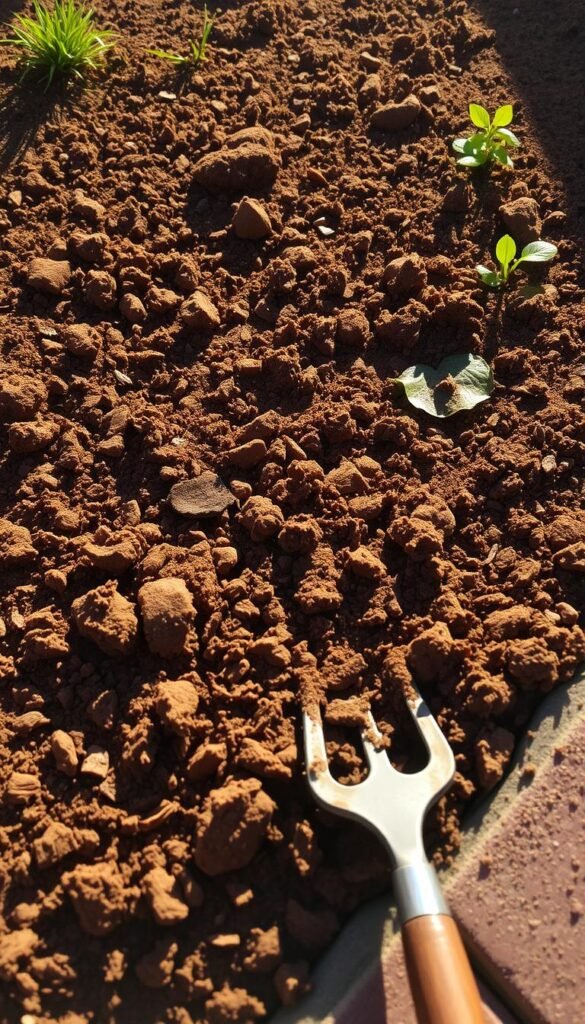
Your soil’s health is the secret ingredient to lush borders. Ninety percent of gardening success happens before you even plant—it starts with creating the perfect underground environment. Think of your soil as a living pantry that stores nutrients and water for your green companions.
Testing Soil pH and Identifying Soil Types
Grab a $10 test kit from your local nursery to check pH levels. Most plants prefer neutral conditions (6.0-7.0), while azaleas and blueberries thrive in acidic earth below 5.5. Squeeze a handful of damp soil—if it holds shape, you’ve got clay; if it crumbles, it’s sandy.
| Soil Type | Drainage | Nutrient Retention | Plant Matches |
|---|---|---|---|
| Clay | Slow | High | Daylilies, Hostas |
| Sandy | Fast | Low | Lavender, Sedum |
| Loam | Moderate | Balanced | Most Vegetables |
Infusing Organic Matter and Compost Benefits
Spread 3 inches of compost like chocolate frosting on a cake—no digging required. This organic matter acts as both blanket and buffet. Earthworms will incorporate it naturally, improving drainage in clay and water retention in sand.
Regular applications reduce fertilizer needs by 40% over three years. Watch for standing water (compaction) or quick drying (poor structure)—both signal needing more organic material. As one grower notes: “Feed the soil, and the plants feed themselves.”
Selecting the Ideal Plants for Your Compact Border
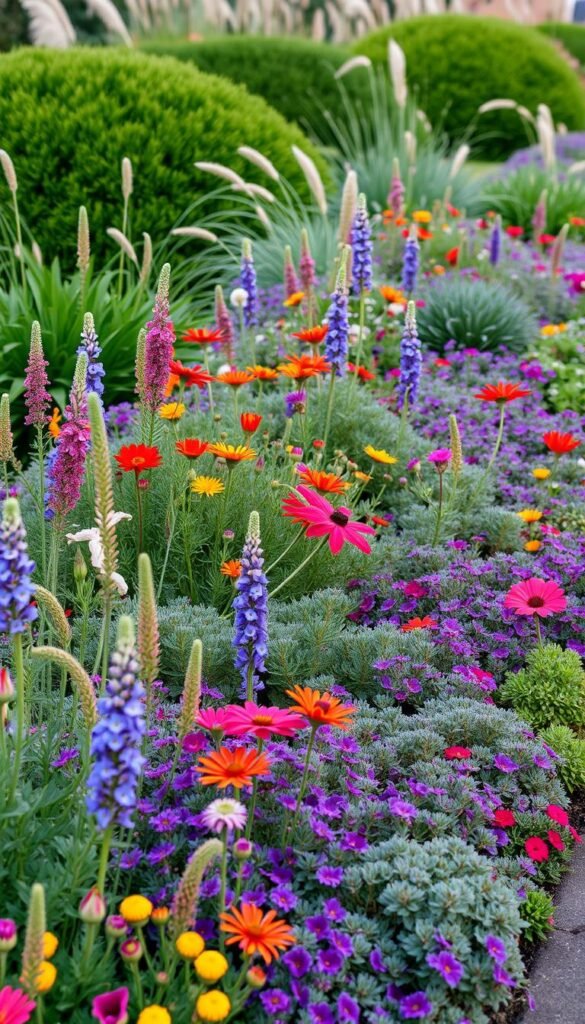
The right plant choices turn limited space into a lush retreat. Balance long-term performers with seasonal stars to create dynamic displays that evolve gracefully. This approach keeps your border vibrant while minimizing yearly replanting efforts.
Smart Pairings for Lasting Beauty
Perennials form your garden’s backbone, returning reliably for three+ years. Though slower starters, varieties like sedum and salvia become drought-resistant champions. “Invest in tough perennials first,” advises Denver Botanical Gardens’ lead horticulturist. They’ll need 18-24 months to mature but reward patience with low-maintenance blooms.
Annuals fill gaps with fireworks of color. Cosmos and zinnias explode with flowers in their single growing season—perfect companions while slower perennials establish. Follow this density guide for balanced growth:
| Plant Type | Quantity per m² | Key Benefit |
|---|---|---|
| Herbaceous Perennials | 5 | Multi-year value |
| Annuals | 7-9 | Instant color |
| Dwarf Shrubs | 3 | Structure |
For continuous blooms, mix repeat-flowering perennials like geranium ‘Rozanne’ with staggered annuals. Discover more best plants for narrow borders that thrive in confined conditions. White nicotiana and pastel gazania work magic in evening light, extending visual interest after sunset.
Prioritize compact growers like coreopsis or dwarf asters that stay tidy. If space tightens, many respond well to pruning—just avoid aggressive cuts during peak flowering. With smart selections, your border becomes a living mosaic that adapts as seasons change.
Strategic Planting Techniques for Optimized Growth
Elevate your garden’s productivity by rethinking how you position greenery. Smart layouts boost air circulation and root development while creating fuller displays. The right approach lets you nurture more specimens without overcrowding.
Employing Triangle Planting to Maximize Space
This geometric method arranges greenery in offset patterns rather than straight lines. Imagine three plants forming a triangle—each gets equal access to light and nutrients. You’ll fit 20% more specimens compared to grid layouts.
Start by soaking potted greenery for 15 minutes until bubbles stop rising. Arrange containers in your planned pattern while they’re still hydrated. Walk around the border to check sightlines from multiple angles before digging.
| Plant Size | Hole Width | Root Prep |
|---|---|---|
| 4″ Pot | 6″ | Loosen outer roots |
| 1-Gallon | 10″ | Score root ball sides |
| Bare Root | 12″ | Soak 2 hours pre-plant |
Gently tease apart circling roots with your fingers. This encourages outward growth instead of spiral patterns. Backfill holes with native soil mixed with compost—no fertilizer needed during establishment.
Newly installed greenery needs weekly watering for 6-8 weeks. Time installations before rainy seasons to reduce maintenance. Stagger plantings every 10 days to manage care demands effectively.
Layering and Creating Visual Interest in Tight Spaces
Who says vertical space can’t be your garden’s best friend? By building upward, you craft immersive environments that trick the eye into seeing expansiveness. Start with climbing plants like clematis or morning glory—their upward reach adds instant height while freeing ground space for layered plantings below.
Install support structures first for a polished look. Bamboo teepees or wrought-iron trellises create instant architecture. Train ivy along these frames to form living walls, then tuck shade-tolerant begonias or ferns beneath. This texture contrast makes your border feel deeper than its physical limits.
Try these combinations for dynamic impact:
- Woody climbers (honeysuckle) + trailing groundcovers (creeping thyme)
- Annual vines (hyacinth bean) + compact perennials (heuchera)
- Edible growers (pole beans) + ornamental grasses (blue fescue)
Focus on foliage as your main design element. Variegated hosta leaves or purple sage provide year-round interest, letting flowers serve as seasonal accents. For urban spaces, container gardening paired with vertical structures maximizes every inch.
Remember: odd numbers create harmony. Group three matching pots with climbing roses, or five staggered ferns beneath a grapevine arbor. Your narrow plot will burst with life at every level.
Planning Your Garden Layout and Balancing Plant Heights
Forget what you’ve heard about rigid garden layouts. Modern design celebrates natural arrangements where plants interact like neighbors rather than soldiers in formation. Your border becomes dynamic when you prioritize texture and density over strict height rules.
Arranging Tall, Medium, and Low-Growing Plants
Chunky growers like phlox work best behind airy verbascum, even if shorter. This creates depth without blocking light. Pair spiky yucca with rounded hostas—their contrasting shapes make each stand out. You’ll craft intrigue while letting every plant shine.
Integrating Vines, Trellises, and Structural Elements
Add vertical drama with climbing clematis on slim obelisks. Beans on bamboo teepees save ground space while feeding pollinators. These structures guide the eye upward, making your area feel larger. Choose materials that match your garden style—rustic willow or sleek metal.
Focus on foliage first. Silver sage beside burgundy heuchera offers year-round contrast. Flowers become bonus accents. Remember: your border thrives when planning emphasizes harmony over hierarchy. Experiment freely—nature rarely follows straight lines.