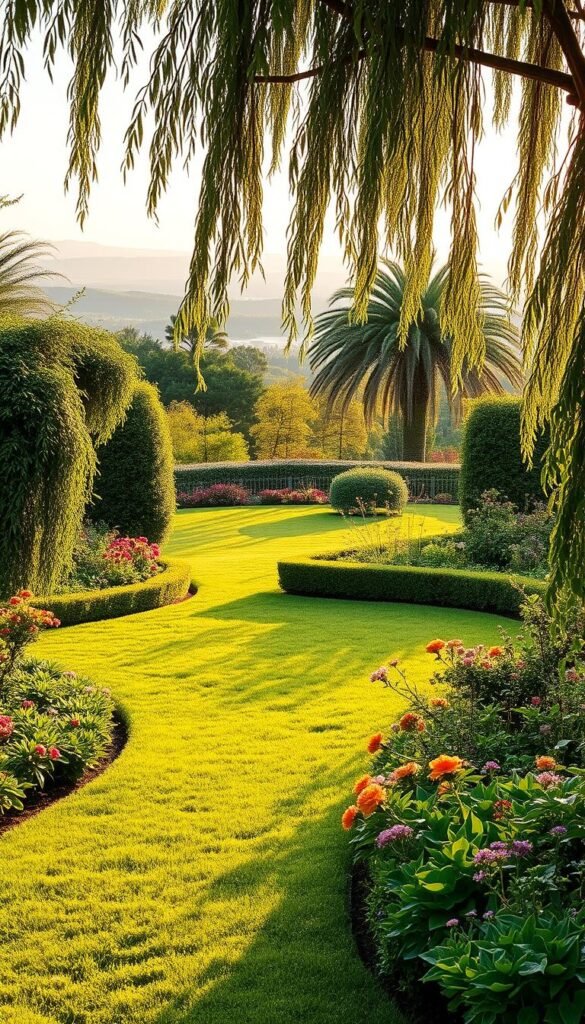
Harsh lines in your landscape can feel uninviting. That’s where organic shapes step in. By replacing sharp angles with gentle arcs, you create a seamless transition between plants, pathways, and open areas. This approach not only looks better but serves practical needs—like keeping mulch where it belongs and guiding foot traffic naturally.
Curves do more than please the eye. They invite exploration and create a sense of calm. Studies show flowing lines in design reduce stress, making your yard feel like a retreat. Even tight spaces benefit, as rounded borders trick the eye into perceiving more room.
Choosing the right materials matters. Flexible edging options allow creative freedom while defining planting zones. Whether using stone, metal, or low-maintenance composites, the goal remains the same: harmony between function and beauty.
Ready to rethink your landscape? Let’s explore how subtle bends can elevate your outdoor experience while solving common challenges. You’ll discover techniques that work for any size yard or style preference.
The Role of Garden Edging in Landscape Design
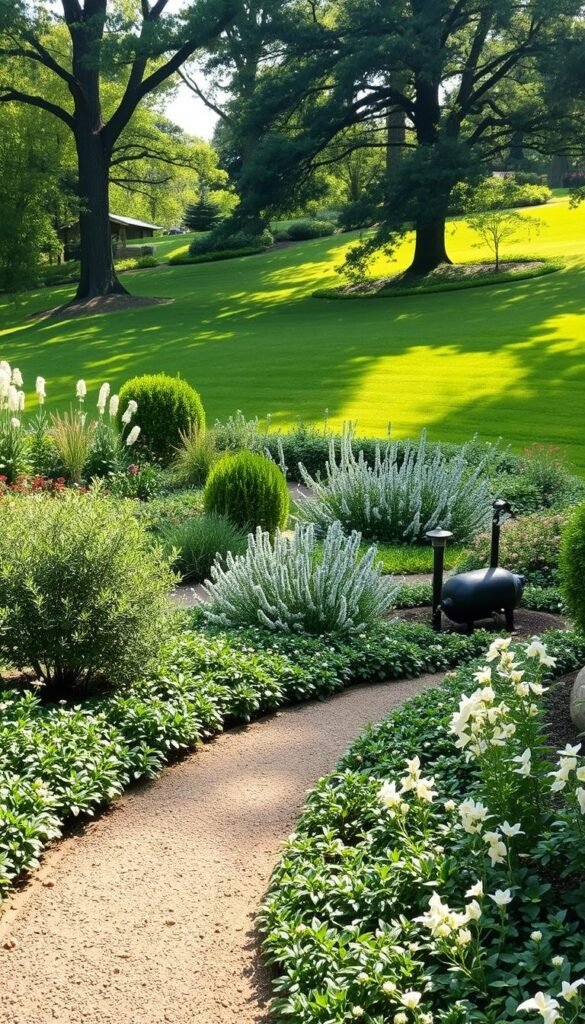
Your landscape’s structure relies on invisible lines that organize its beauty. These subtle dividers act like invisible hands, shaping how you experience every corner of your yard. Whether separating flower beds from walkways or containing mulch around trees, edging creates order without sacrificing natural charm.
Defining Boundaries in Your Outdoor Space
Clear edges stop grass from creeping into flower beds and keep gravel paths intact. They’re practical magic—like nature’s traffic cops directing growth and foot traffic. A crisp border around perennial beds saves hours of weeding while giving plants room to thrive.
“Edging isn’t just about looks—it’s the backbone of functional design,” notes a Midwest landscape architect. “It tells your yard how to behave.”
Enhancing Curb Appeal and Visual Interest
Sharp lines make neighbors look twice. Clean edges frame your home like a picture, boosting its street-side appeal. Mix materials for texture contrast—try pairing smooth stone with feathery grasses or sleek metal with wildflowers.
| Material | Best For | Lifespan |
|---|---|---|
| Steel | Modern designs | 15+ years |
| Brick | Traditional yards | 10-12 years |
| Recycled plastic | Budget projects | 5-7 years |
Your choice shapes maintenance needs and visual impact. Durable options like steel work harder, while temporary solutions let you experiment with layouts. Either way, intentional edges transform random plantings into purposeful designs.
Exploring Curved Garden Edges: A Fresh Perspective
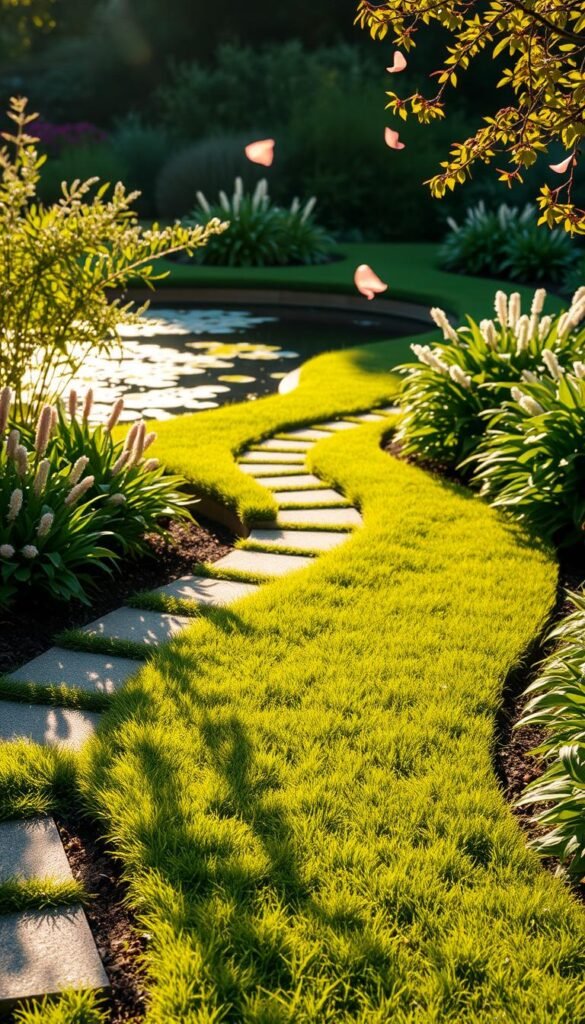
Ever noticed how nature never uses straight lines? That’s why fluid shapes in your yard feel instantly welcoming. Professionals craft edges with purpose—each arc follows the land’s natural rhythm, avoiding the jagged “scribble effect” common in DIY attempts.
The Secret to Intentional Curves
Great edging mimics how water shapes stone. Instead of random wiggles, think of long, confident sweeps that frame trees or wrap around patios. One landscaper puts it simply: “Your eye should glide along the curve like it’s reading a favorite story.”
Strategic placement matters most. Focus on areas where angles clash—like where your driveway meets flower beds or walkways intersect lawns. Gentle bends here soften transitions better than any plant arrangement.
“A well-designed curve has logic. It follows existing slopes or circles around focal points,” explains a Colorado design expert. “That’s what separates polished work from amateur squiggles.”
For best results, use a garden hose to map shapes before digging. Step back frequently to check flow from multiple angles. This method helps create the balanced look that makes professional designs stand out.
Choosing the Right Materials for Garden Borders
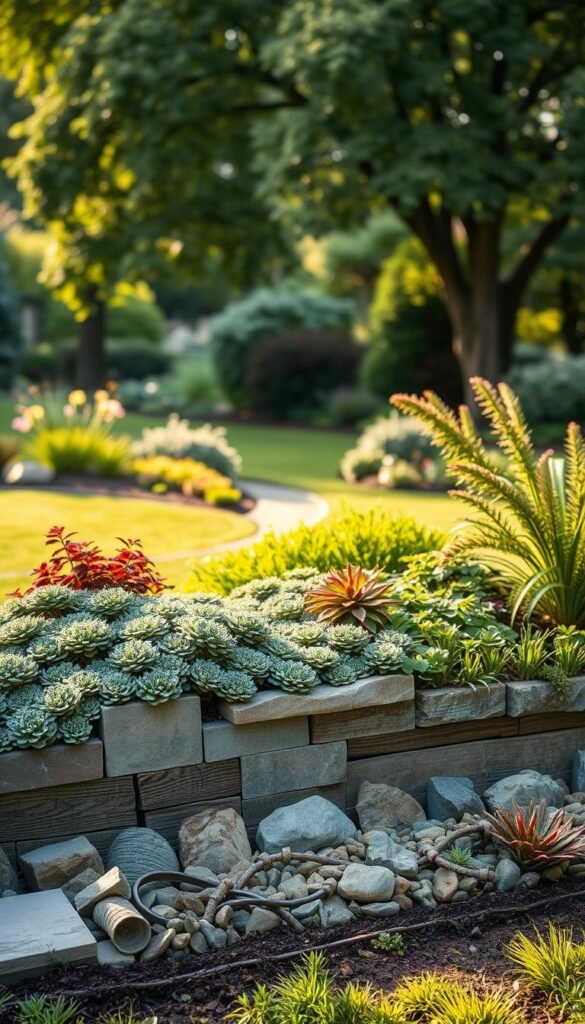
Your material selection shapes your landscape’s character as much as its layout. Natural elements blend with surroundings, while modern alternatives offer crisp definition. Balance practicality with personal style to find solutions that age gracefully.
Natural Options: Wood, Stone, and Logs
Cedar shingles bring rustic warmth to planting zones. They install quickly with basic tools but need protection from weed trimmers. Fallen trees get new life as log edging—slice trunks into segments or use branches for free, earthy borders.
Granite cobblestones and boulders create permanent boundaries. These stones require minimal upkeep and develop mossy accents over time. For structured curves, stack ledgestone like nature’s puzzle pieces.
Synthetic and Recycled Alternatives
Recycled plastic strips bend easily around tight arcs. They won’t rot or splinter, making them ideal for damp areas. Corten steel stands out for developing a rich rust patina—this metal gains character while resisting corrosion.
“Weathering steel bridges modern design and organic appeal,” says a Portland landscaper. “It frames plants without competing for attention.”
| Material | Style Match | Maintenance |
|---|---|---|
| Cedar | Cottage gardens | Annual sealing |
| Granite | Formal layouts | None |
| Recycled plastic | Contemporary spaces | Wipe clean |
| Corten steel | Industrial-natural fusion | Rust development |
Mix materials for textural contrast—pair smooth wood with rugged stones or sleek metal with wildflowers. Your choices determine how borders interact with plants and pathways.
Comparing Edging Techniques and Styles
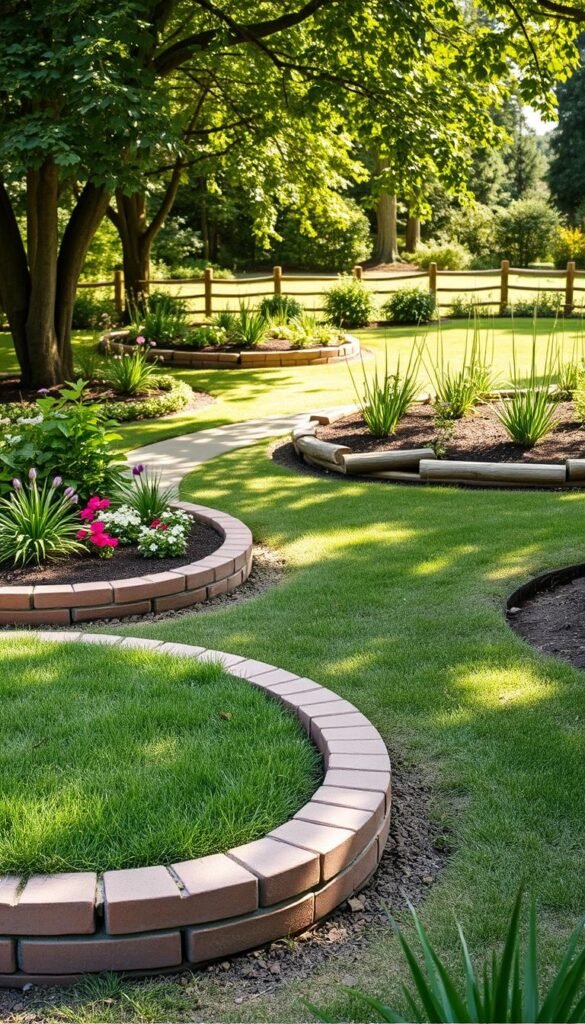
What makes one yard’s edges look polished while another’s appear haphazard? The answer lies in matching methods to your landscape’s personality. Let’s break down how different approaches create distinct effects.
Traditional versus Contemporary Approaches
Hand-cut borders with a spade offer old-school charm. This less expensive option works well for casual cottage gardens but demands yearly upkeep. Modern solutions like steel strips or composite materials deliver crisp lines that stay sharp for decades.
“Traditional techniques connect us to gardening history,” notes a Massachusetts landscaper. “But today’s materials solve problems our grandparents just lived with.”
High-End Solutions versus Budget-Friendly Options
Premium choices like powder-coated aluminum provide invisible structure for formal spaces. For creative ideas that cost nearly nothing, try pressing wine bottles neck-down along paths—their colored glass sparkles in sunlight while recycling waste.
| Method | Cost | Durability |
|---|---|---|
| Hand-cut edges | Free | 1 season |
| Plastic strips | $0.50/ft | 5 years |
| Corten steel | $8/ft | 25+ years |
Your choice impacts more than looks. While building raised beds for square-foot gardening, consider how edging materials complement your overall design. Temporary options let you experiment, while permanent installations become part of your landscape’s bones.
Creative Tips for Using curved garden edges and borders to soften harsh corners
Great landscapes move with purpose. Your outdoor space becomes more inviting when curves feel intentional rather than accidental. Start by observing your yard’s natural slopes and existing features—these become your design partners.
Designing With Nature’s Rhythm
Long, flowing arcs create visual calm. Use a garden hose to map border lines that wrap around trees or follow land contours. “Walk the proposed path three times before cutting,” advises Oregon landscaper Mia Torres. “If it feels forced, your feet will know.”
Teamwork makes curves shine. Have a helper adjust the hose while you view the shape from windows or seating areas. This ensures your edging enhances views from all angles.
| Curve Style | Best Use | Design Tip |
|---|---|---|
| Gentle Sweep | Front yard beds | Mirror house architecture |
| Tight Arc | Path junctions | Use for seating nooks |
| Serpentine | Long boundaries | Alternate plant heights |
Blend organic shapes with straight lines near structures. A curved border meeting a driveway appears deliberate when it starts/ends at clear points. Try extending the arc 3-5 feet beyond corners for smooth transitions.
“Curves should solve problems,” notes Torres. “Frame a favorite tree, hide utility areas, or create hidden discovery zones.”
For unique looks, shape edging into spirals around boulders or wide ovals enclosing fire pits. These ideas add personality while keeping your garden cohesive. Remember: fluid lines work hardest when they serve multiple purposes.
Cost Considerations: From Inexpensive Choices to Premium Designs
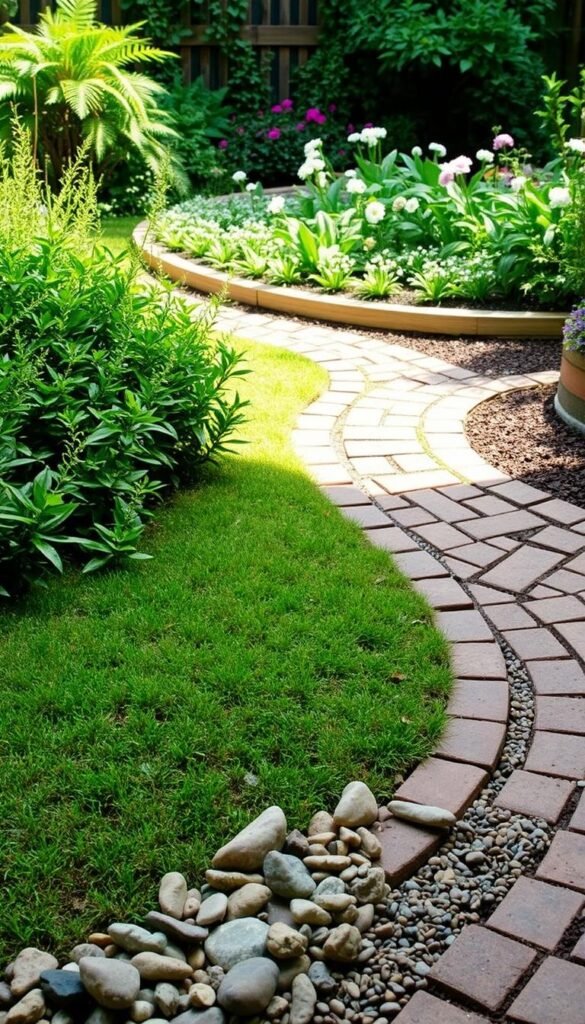
Want beautiful borders without draining your wallet? Smart planning lets you achieve polished results at any budget. Whether you’re sprucing up a small plot or redesigning an entire yard, options exist for every price range.
Budget-Friendly DIY Edging Ideas
Start with nature’s freebies. Fallen branches from last winter’s storm? Cut them into log slices for earthy borders. Got a shovel? Hand-cut trenches create crisp lines at zero cost—just refresh them each spring.
For under $7 per foot, plastic strips offer quick solutions. They bend easily around curves and come in earthy tones. Cedar shingles bring warmth to flower beds, while landscape timbers work well for geometric shapes.
| Material | Cost per Foot | Lifespan |
|---|---|---|
| Natural logs | Free | 2-3 years |
| Recycled plastic | $0.50 | 5 years |
| Cedar | $7 | 8 years |
Turn trash into treasure with glass bottle borders. Bury wine bottles neck-down along paths—their colors catch sunlight beautifully. Recycled rubber edging is another eco-win, bending smoothly around play areas.
Mid-range picks like eucalyptus wood last longer than basic options. Woven willow adds texture but needs yearly sealing. For permanent solutions, concrete walls offer sleek lines but require pros—factor in $15-$30 per foot for installation.
“Your budget guides materials, but creativity determines impact,” says Texas landscaper Royce Bennett. “Even simple edges transform spaces when installed thoughtfully.”
Easy Installation Methods for a Neat Garden Edge
Creating clean lines in your yard doesn’t require professional skills—just smart techniques. With the right tools and preparation, you’ll achieve crisp edging that lasts seasons. Let’s break down what works best for DIYers.
Tools and Techniques for Efficient Setup
Start with a rubber mallet and manual edger—their sharp blades slice through soil like butter. Spray paint helps map your design before digging. For pound-in options like plastic strips, position them where you want and tap gently into place.
Roll materials can be tricky solo. “Always recruit a helper when unspooling long sections,” advises Arizona landscaper Jenna Cole. “One person steadies the roll while the other secures it—prevents kinks and misalignment.”
| Method | Tools Needed | Best For |
|---|---|---|
| Pound-In Plastic | Mallet, gloves | Quick updates |
| Cedar Shingles | Hammer, level | Rustic beds |
| Eucalyptus Logs | Hand saw, stakes | Warm climates |
Dig trenches 4-6 inches deep for stability. Mark lines with bright spray paint first—it reveals design flaws before you commit. Rocky soil? Use a pickaxe to clear debris, then backfill with sand for smoother installation.
For permanent solutions like stone borders, dry-fit pieces before setting them in mortar. Temporary options let you experiment: press wine bottles into soil or weave willow branches through stakes. Remember—easy install methods save time without sacrificing style.
Incorporating Edging into Your Overall Landscape Design
Landscape design thrives on intentional boundaries that shape movement and mood. Your yard’s character emerges when edges create clear transitions between zones. Strategic placement guides visitors naturally from patio to flower bed, while subtle curves invite lingering.
Purposeful edging acts like punctuation in a sentence—commas pause your journey, periods mark distinct areas. Even blurred lines serve a role, letting plantings spill over walkways for relaxed charm. This balance transforms random elements into cohesive garden design.
Professionals often note that flexible boundaries adapt as your needs change. A winding path today might frame tomorrow’s water feature, proving good design evolves with your vision. Your space gains depth when edges reflect how you live outdoors.
Whether defining a play area or creating secret nooks, each choice in landscape design builds a world uniquely yours. Edges aren’t just dividers—they’re the quiet choreographers of your outdoor experience.