Imagine transforming your backyard into a cozy retreat that mixes time-honored farmhouse vibes with sleek, modern touches. Today’s homeowners crave outdoor areas that feel both welcoming and practical—spaces where weathered wood meets crisp metal accents. This balance creates visual interest while keeping maintenance simple.
One standout feature gaining popularity? Durable planting solutions that add textural contrast to landscapes. These structured elements pair beautifully with loose, natural plantings, offering a fresh take on country-inspired design. They’re not just pretty—they protect your plants and last through harsh weather.
Why choose materials that blend industrial and rustic styles? The answer lies in their versatility. A well-placed metallic planter becomes a focal point beside vintage brick pathways or reclaimed timber fences. This mix elevates your yard’s aesthetic without feeling overly polished.
You’ll discover how to merge functional gardening with eye-catching design in the sections ahead. We’ll break down placement strategies, material pairings, and maintenance tips to help you craft a space that feels both timeless and current. Let’s explore how to make your landscape work harder while looking effortlessly stylish.
Understanding Galvanized Steel and Its Aesthetic Appeal
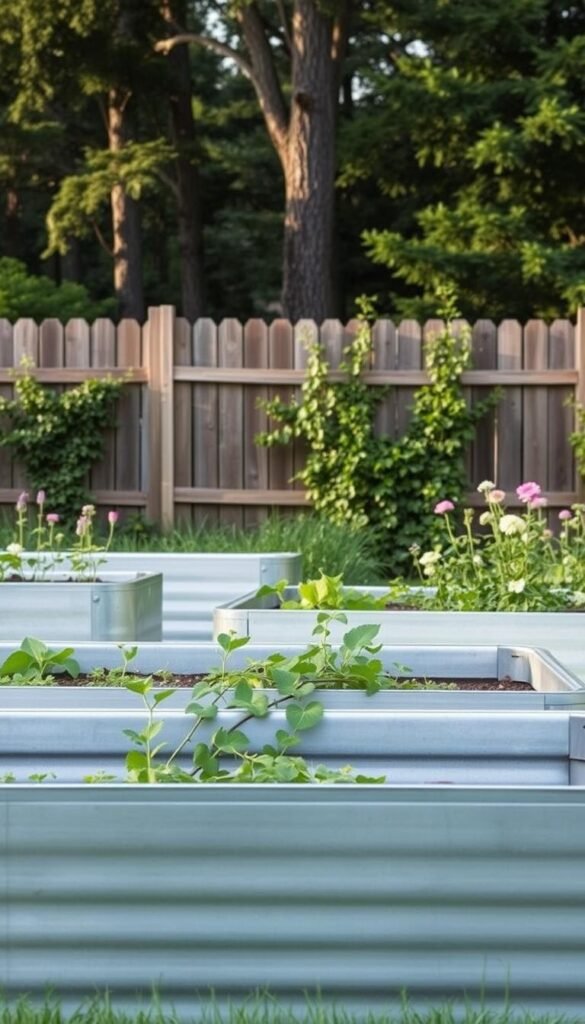
Your backyard deserves a blend of strength and style that stands up to the seasons while elevating your landscape’s charm. This material’s unique properties bridge practicality and design, offering a fresh way to frame your greenery without sacrificing durability.
What Is Galvanized Steel?
This zinc-coated metal undergoes a chemical process to prevent rust and corrosion. Unlike untreated options, it resists peeling or warping, even in heavy rain or snow. The result? A sturdy base for your plants that lasts decades, not just a few years.
Enhancing Your Outdoor Space
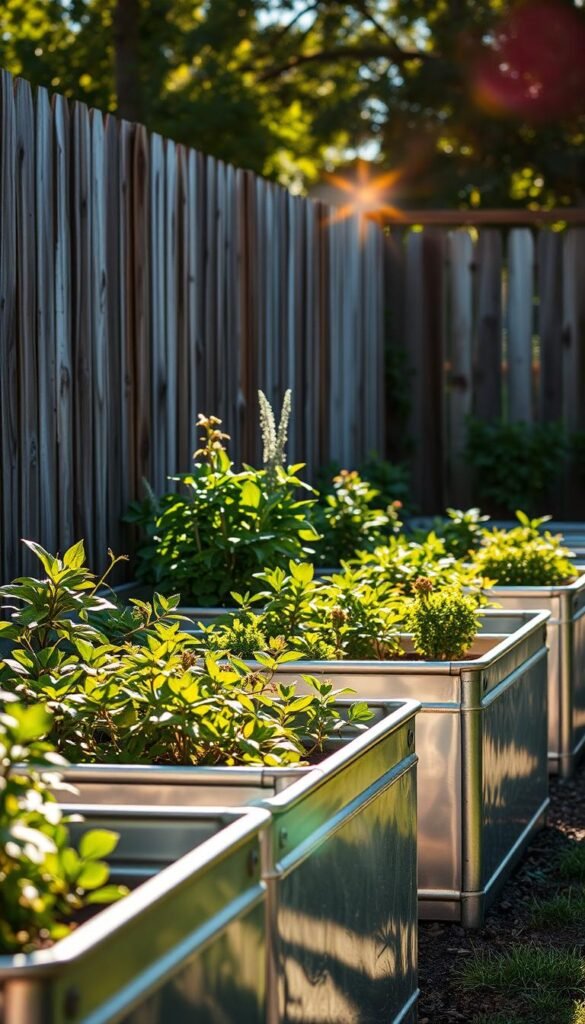
The sleek, silver finish adds a modern industrial edge that contrasts beautifully with organic textures like wood or stone. Its reflective surface catches sunlight, creating subtle highlights that make your garden beds pop. Plus, wiping away dirt takes minutes—no scrubbing or repainting needed.
Pair these beds with wildflowers or trailing vines to soften their crisp lines. You’ll get a balanced mix of raw and refined elements, perfect for achieving that coveted “lived-in luxe” vibe. It’s about letting nature shine while your hardscaping works quietly in the background.
Exploring the Benefits of Raised Garden Beds Made of Galvanized Steel
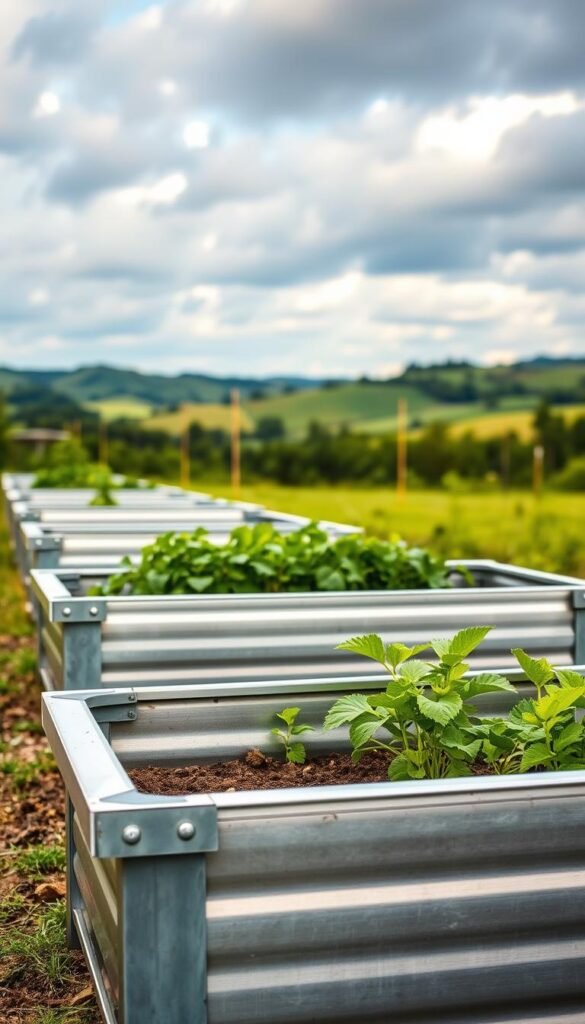
Gardeners seeking low-maintenance solutions love how these structures stand up to Mother Nature’s mood swings. Unlike traditional options that sag or splinter, their secret lies in smart engineering and protective layers.
Built to Withstand the Elements
The magic starts with a zinc shield that fights rust like armor. Rain slides right off, and snow piles won’t leave permanent marks. Premium versions take it further with Aluzinc—a coating that triples lifespan compared to basic models.
Think about wooden planters. They warp after one soggy season or attract termites by year three. Metal alternatives? They laugh at moisture and shrug off temperature swings from -20°F to 120°F. No more replacing rotten corners or patching holes.
Here’s what you gain:
- Zero maintenance beyond occasional hosing
- Consistent appearance decade after decade
- No soil contamination from decaying materials
One Colorado family reported their beds surviving three hailstorms without dents. Another in Florida saw salt air leave mere surface patina after 8 years—adding character without compromising strength.
While initial costs might feel higher, you’ll save cash long-term. No annual sealants, replacement boards, or pest treatments. Just plant, grow, and enjoy your thriving greenspace.
Using Galvanized Steel Raised Garden Beds for a Modern Farmhouse Aesthetic
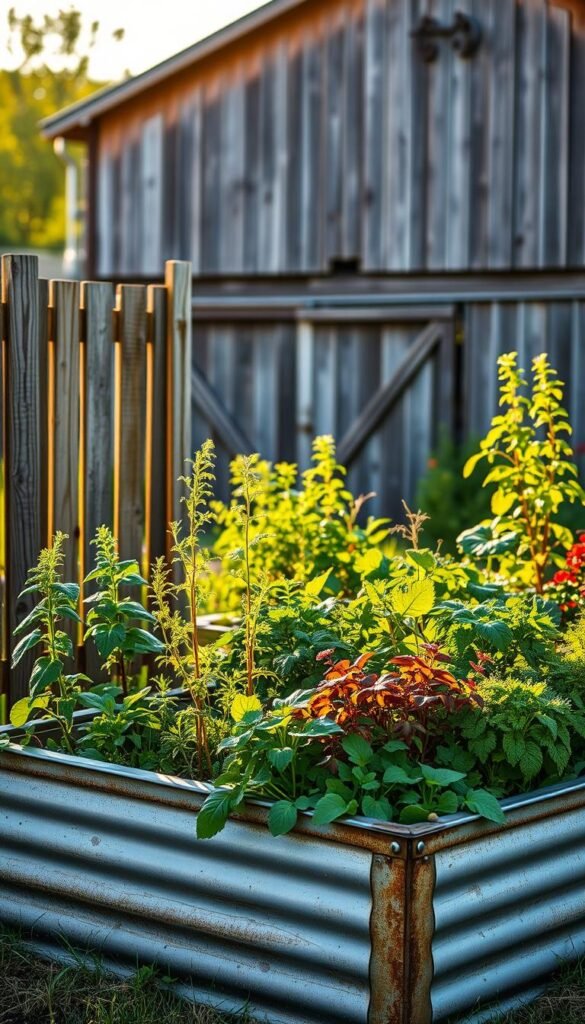
Blending cozy warmth with crisp industrial edge creates magic in outdoor spaces. Think weathered barn wood meets sleek metallic accents – this unexpected pairing forms the heart of today’s farmhouse revival.
Why the Industrial Look Complements Farmhouse Style
Sharp metal lines act like a frame for organic textures. Picture corrugated materials beside chunky stone pathways or climbing roses spilling over silver-edged planters. This contrast adds depth without overwhelming the senses.
| Design Element | Industrial Style | Farmhouse Style | Combined Effect |
|---|---|---|---|
| Materials | Metal, concrete | Wood, brick | Balanced texture |
| Lines | Clean angles | Soft curves | Dynamic interest |
| Finish | Matte silver | Distressed patina | Layered character |
| Function | Weatherproof | Handcrafted feel | Practical charm |
The neutral tones of raised garden beds let your blooms become the stars. Crimson poppies or purple sage pop against the muted backdrop, while herbs thrive in the controlled environment.
This design approach honors agricultural roots through modern problem-solving. Durable materials echo the resilience of working farms, yet suit today’s busy lifestyles. You get heritage-inspired beauty that handles downpours and blazing sun with equal grace.
Pair your planters with vintage-inspired lanterns or wrought iron benches to complete the look. The result? A garden that feels both fresh and timeless – where practicality meets pastoral charm.
Durability and Strength: The Hallmarks of Galvanized Steel
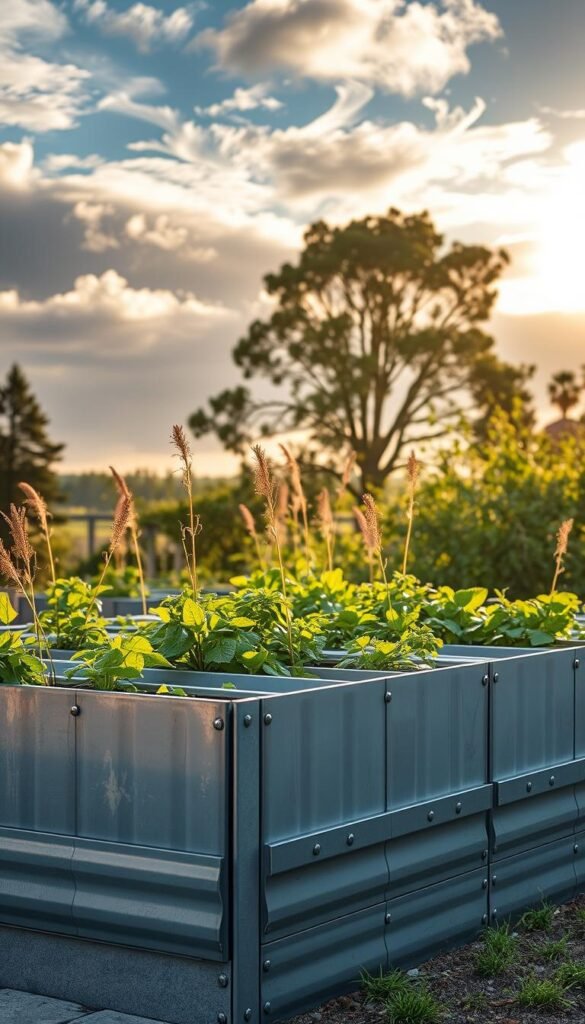
When building a garden that lasts, material choice matters most. Metal planting structures with protective coatings outshine traditional options by combining ruggedness with timeless style. Let’s explore what makes these beds a backbone of resilient landscaping.
Weather Resistance and Corrosion Protection
The secret lies in the zinc layer fused to the metal during manufacturing. This shield repels water like a raincoat, stopping rust before it starts. Unlike untreated alternatives, these beds handle salted winter roads and coastal humidity without flaking or weakening.
Test results show galvanized coatings last 2-4 times longer than paint. Your beds won’t need sealants or touch-ups—just rinse them occasionally. One Minnesota gardener reported their setup surviving -30°F winters and 100°F summers with zero structural changes over eight years.
A Reliable Investment for Your Garden
While initial costs might seem higher than wood, metal beds save money long-term. No replacing rotted boards or battling insect damage. You’ll reclaim weekends previously spent on maintenance—perfect for focusing on building raised beds for new projects instead of repairing old ones.
| Material | Lifespan | Maintenance | Cost Over 10 Years |
|---|---|---|---|
| Galvanized Metal | 25+ years | None | $300 |
| Wood | 5-7 years | Annual sealing | $800 |
| Plastic | 3-5 years | UV protection | $600 |
These planters handle heavy soil loads without bending—ideal for deep-rooted veggies or fruit trees. Their rigid frames prevent soil spillage, keeping pathways clean. You’re not just planting a garden; you’re creating a legacy feature that grows better with time.
Design Flexibility for Your Outdoor Space
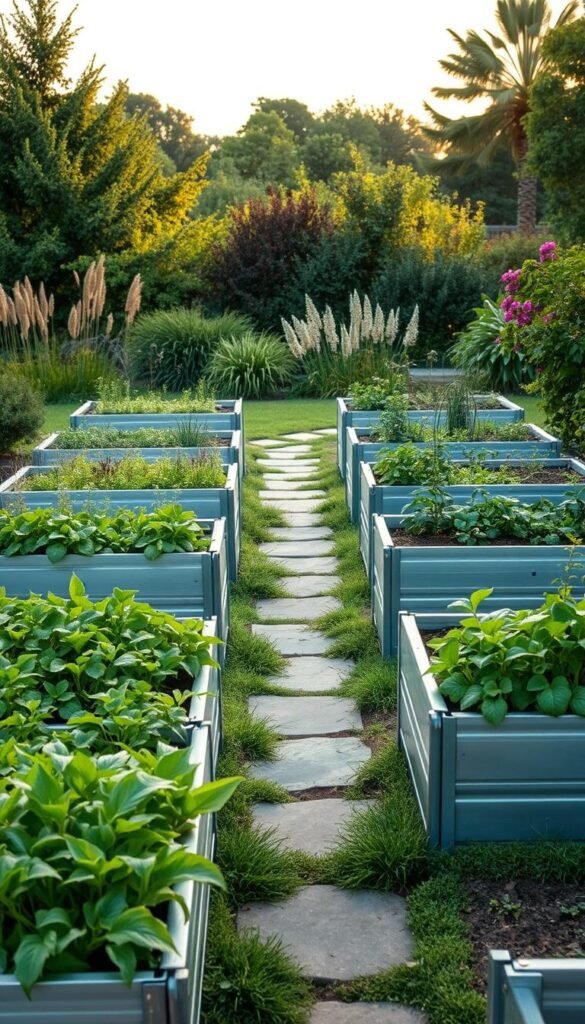
Your landscape deserves solutions that adapt to your vision, not the other way around. These planting systems let you reimagine underused corners, patios, or slopes into vibrant growing areas without complex renovations.
Versatile Placement Options
No digging? No problem. Position them on concrete slabs, uneven gravel, or even rooftop decks. Their sturdy bases keep soil contained while preventing ground contact—ideal for renters or those wanting temporary setups. One user transformed their narrow balcony into a lush herb haven using three tiered planters.
Modular designs offer nine+ configurations. Curve them around fire pits, create geometric patterns, or build staggered levels for visual drama. Need to skirt around tree roots? Adjust the layout while maintaining a polished look.
Easy Assembly Without Extensive Tools
Most kits snap together like puzzle pieces—no saws or drills required. Interlocking panels and pre-drilled holes mean you’ll have soil ready in under an hour. One parent-kid duo built their 4’x8’ bed during a Saturday morning breakfast.
Height options cater to every gardener’s needs:
- 12” models for lettuce and strawberries
- 18” versions for carrots and peppers
- 24”+ setups for dwarf fruit trees
Start with a single planter beside your back door, then add sections as your confidence grows. This approach lets you experiment with custom layouts without overwhelming your space. Before long, you’ll craft a living tapestry that evolves with your lifestyle.
Cost Efficiency and Low Maintenance of Steel Raised Beds
Smart gardeners know that beauty shouldn’t break the bank. Planting solutions offering both style and savings prove their worth season after season. Let’s explore how these structured systems keep your wallet and landscape thriving.
Affordable and Sustainable Choice
While untreated wood may seem cheaper upfront, steel raised beds save money within three years. Consider this comparison over a 5-year period:
| Material | Initial Cost | Yearly Upkeep | Replacement Needs |
|---|---|---|---|
| Steel | $200 | $0 | None |
| Cedar | $150 | $40 (sealant) | Every 4-6 years |
| Composite | $180 | $25 (cleaning) | Every 5-7 years |
| Plastic | $120 | $15 (UV spray) | Every 3 years |
Your time matters too. Unlike wood requiring seasonal sanding or plastic needing UV treatments, metal options demand only occasional rinsing. One Colorado gardener shared: “After five years, mine look new—just hose them down when pollen collects.”
Assembly simplicity adds to savings. Most kits feature:
- Interlocking panels needing zero tools
- Pre-cut corners for instant setup
- Adjustable heights without extra hardware
When retirement finally comes (decades later), these planters get recycled—not landfilled. Their zinc coating poses no soil risks, making them safe for growing edibles. You invest once, then enjoy years of fresh harvests and curb appeal.
Enhancing Plant Health with Superior Drainage
Healthy plants start with roots that breathe. Structured metal planters give your greenery an edge by balancing moisture control and airflow. Their elevated design lifts soil above compacted ground, creating ideal conditions for vigorous growth.
Optimizing Soil Conditions for Vibrant Growth
Proper drainage stops water from pooling around delicate roots. Unlike solid containers, these beds let excess moisture escape through gaps at the base. This prevents soggy soil—a common cause of fungal diseases and stunted crops.
The zinc-coated surfaces resist corrosion, ensuring no harmful rust mixes into your earth. You’ll maintain stable pH levels and nutrient-rich dirt season after season. Test results show metal beds keep soil 15% drier than wooden counterparts after heavy rains.
| Material | Drainage Efficiency | Root Health Impact | Moisture Retention |
|---|---|---|---|
| Metal | Excellent | No rot | Balanced |
| Wood | Good | Risk of decay | Variable |
| Plastic | Poor | Potential overheating | High |
Customize your soil blend for each crop’s needs. Mix in perlite for succulents or compost for tomatoes. One gardener boosted her basil yield by 40% using a square-foot gardening layout in raised planters.
Metal’s thermal properties prevent extreme temperature swings. Roots stay cozy during spring chills and avoid summer scorching. Your plants focus energy on producing blooms and veggies—not surviving stress.
Integrating Galvanized Steel Beds in Modern Farmhouse Landscaping
Crafting an inviting outdoor retreat requires balancing rugged charm with contemporary flair. The secret lies in pairing industrial accents with earthy textures, creating functional areas that feel both curated and relaxed. Let’s explore how to weave these elements into your landscape without losing its welcoming soul.
Blending Industrial and Rustic Elements
Start by framing your planting zones with crisp metallic edges, then soften them with cascading greenery. A reclaimed wood trellis beside a silver planter creates instant visual harmony. For pathways, combine gravel with irregular flagstones to mirror the mix of raw and refined.
| Material Pairing | Industrial Element | Rustic Counterpart |
|---|---|---|
| Vertical Surfaces | Corrugated panels | Weathered barn wood |
| Ground Cover | Concrete pavers | Moss-filled cracks |
| Accents | Iron lanterns | Twig borders |
Use warm-toned plants like golden creeping Jenny to offset cool metal hues. This contrast makes your garden feel alive while keeping the industrial edge from feeling sterile. One Oregon homeowner draped flowering vines over their planters, creating a living curtain that hides the structure’s angular lines.
Creating a Cohesive Outdoor Environment
Connect different zones using repeating shapes and colors. Match circular fire pits with rounded herb beds, or echo slate gray planters in charcoal patio furniture. Lighting plays a key role—try Edison bulbs strung between posts to unite various materials under a golden glow.
Three tips for seamless transitions:
- Border vegetable plots with matching stone edging
- Repeat one foliage color across multiple areas
- Use matching containers for herbs and flowers
Remember, your landscape should tell a story. Let pathways guide the eye from structured planting zones to wildflower meadows, maintaining balance through thoughtful repetition. The result? A space that feels intentionally designed yet effortlessly natural.
Comparing Galvanized Steel Beds with Other Materials
Choosing the right planter material shapes your garden’s future. Let’s explore how metal options stack up against traditional choices.
Wood offers rustic charm but struggles with rot and pests. Cedar might last 5-7 years with yearly treatments, while untreated pine crumbles faster. Plastic seems affordable initially but cracks under UV exposure and lacks structural integrity.
Metal planters outlast both. Their zinc coating prevents corrosion, ensuring decades of use without replacements. Unlike plastic’s synthetic look, the matte silver finish blends seamlessly with natural surroundings.
Concrete provides durability but limits mobility. Once placed, it’s permanent—problematic for renters or evolving layouts. Metal’s lightweight design lets you rearrange beds as your needs change.
Maintenance tells the real story. While wood demands seasonal sealing and plastic requires UV sprays, zinc-protected surfaces need only occasional rinsing. You’ll save time and money long-term while enjoying consistent aesthetics.
For those valuing sustainability, metal beats plastic’s environmental impact. It’s fully recyclable and doesn’t leach chemicals into soil. Your plants thrive in a safer, more stable environment.