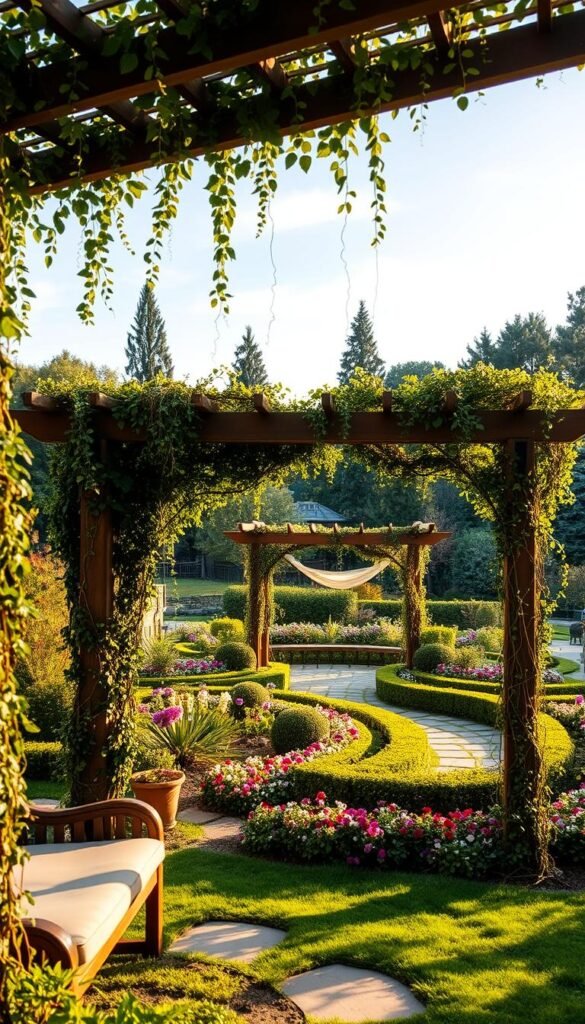
Summer’s scorching heat can turn your backyard into a no-go zone by midday. But you don’t need to hide indoors or wait decades for trees to grow. Pergolas and arbors offer instant relief, blending shade and style to make your outdoor space usable all season.
Imagine relaxing under a cool, leafy canopy instead of battling the sun’s glare. These structures create defined areas for dining, lounging, or hosting—no more rushing inside when temperatures spike. Unlike flimsy umbrellas, they’re built to last and support climbing plants like wisteria or roses for natural beauty.
Your yard gains more than just shade. A well-placed pergola adds architectural depth, turning empty corners into cozy retreats. Arbors frame pathways or entryways, guiding guests through your garden while offering pockets of shelter. Both options let you enjoy mornings and afternoons outside without melting.
Best of all? You’re not stuck with a purely functional setup. Customize designs to match your home’s aesthetic—rustic wood, sleek metal, or even modern vinyl. Add curtains, lights, or climbing vines to make the space uniquely yours. Suddenly, summer’s hottest hours become your favorite part of the day.
Understanding Pergolas and Arbors
Transforming your outdoor space starts with knowing which structure fits your vision. While both add charm and function, their roles differ significantly.
What They Bring to Your Landscape
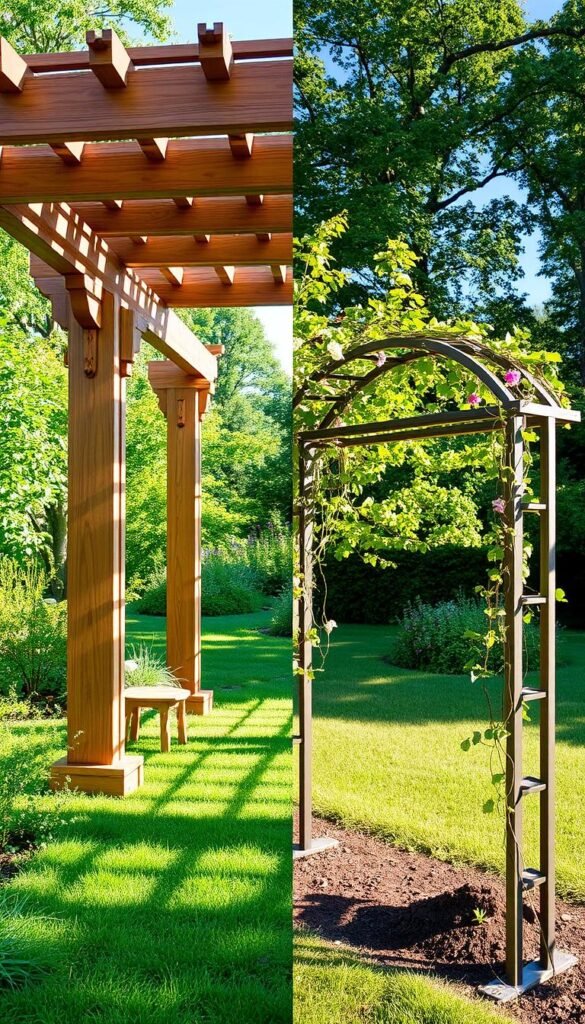
A pergola acts like an outdoor room. Its flat roof and open sides create airy zones for dining or lounging. Think of it as a stylish frame for gatherings—supported by four posts or more.
An arbor works best as a garden gateway. With curved or straight tops, these compact structures mark transitions between spaces. Picture vines spilling over its trellis sides as you walk through.
Spotting the Contrasts
Size tells the main story. Pergolas sprawl across patios, while arbors cozy up to pathways. One hosts dinner parties; the other whispers “welcome” to visitors.
| Feature | Pergola | Arbor |
|---|---|---|
| Typical Use | Outdoor living area | Entryway accent |
| Roof Style | Flat, slatted | Arched or straight |
| Plant Support | Optional climbing vines | Integrated trellis sides |
| Furniture Fit | Full seating sets | Single bench (if any) |
Choose a pergola when you need shade over a hot tub or grill station. Pick an arbor to frame rose bushes or create fairy-light arches. Both boost curb appeal—just in different ways.
Benefits for Your Outdoor Living Space
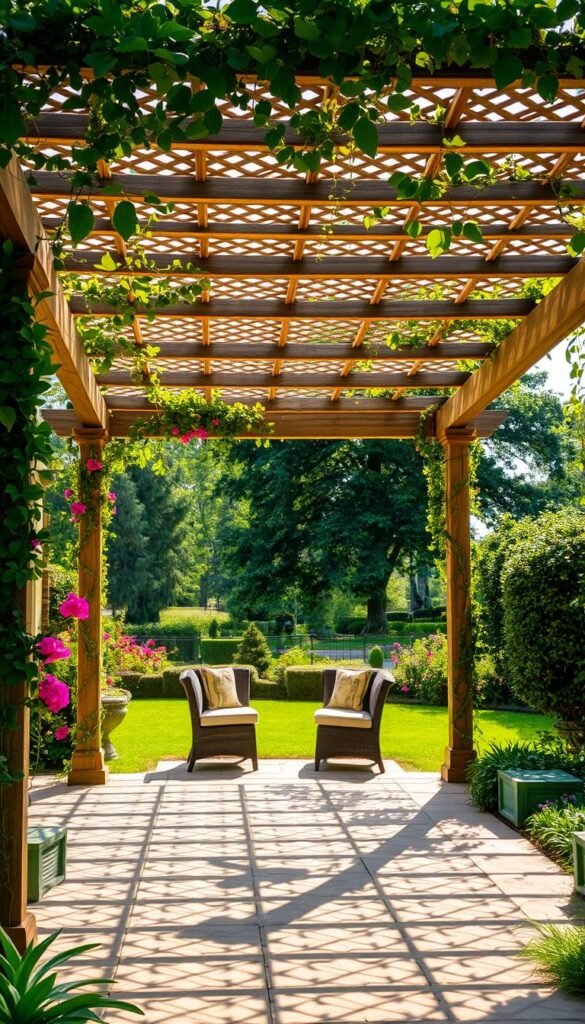
Outdoor structures do more than block the sun—they redefine your space. A well-designed shade solution transforms your yard into a multi-season retreat while boosting your home’s curb appeal. Let’s explore how these additions elevate both functionality and beauty.
Creating Shade and Adding Visual Appeal
Say goodbye to hiding indoors at noon. Strategic placement of these structures lets you host barbecues or read outside during peak sunlight. One homeowner reported, “Our family dinners moved outdoors permanently after installing a pergola—we gained hours of comfortable time together.”
Your property’s value gets a noticeable lift too. Real estate agents note homes with defined outdoor living areas sell faster, especially in competitive markets. A 12×12 fiberglass pergola often pays for itself through increased resale returns.
Beyond practicality, these designs add vertical interest to flat landscapes. Vines climbing lattice sides soften harsh lines, while open-roof patterns create playful light patterns below. Your garden becomes a dynamic space that evolves with the seasons.
Think of it as extending your home’s living space without renovation costs. Add weather-resistant curtains for privacy or string lights for evening charm. Suddenly, your backyard works harder for you—rain or shine.
Using Pergolas and Arbors to Enhance Your Garden Design and Provide Shade
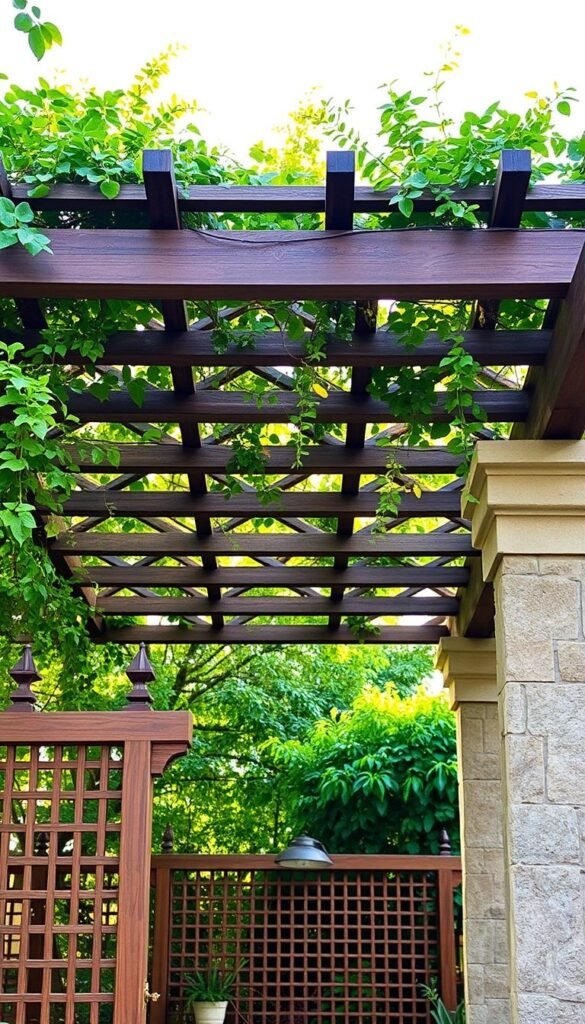
Your outdoor oasis begins with smart decisions about materials and construction methods. Whether you lean toward rustic charm or modern minimalism, every choice impacts durability, maintenance, and visual harmony.
Design Elements and Material Considerations
Wood brings warmth but demands yearly sealing. Metal frames stand strong against storms but may need rust treatments. For busy homeowners, vinyl offers fade-resistant ease—just hose it down occasionally.
Color choices shape your space’s personality. Neutral tones blend seamlessly with nature, while bold hues make pergolas pop as artistic statements. One landscaper notes: “Clients often underestimate how curtain panels or built-in lighting transform a basic structure into a nighttime paradise.”
DIY versus Prefab Options and Professional Help
Building from scratch? You’ll need precise measurements and power tools. Prefab kits simplify assembly but limit creative tweaks. For complex projects—like curved arbors or integrated seating—local contractors merge custom designs with expert installation.
Consider this breakdown:
- DIY: Full creative control + sweat equity
- Prefab: Weekend project with guaranteed fit
- Pros: Stress-free perfection (higher budget)
Hybrid approaches work too. Many companies now offer semi-custom kits with optional add-ons like retractable shades or solar-powered fans.
Supporting Climbing Plants and Enhancing Shade Naturally
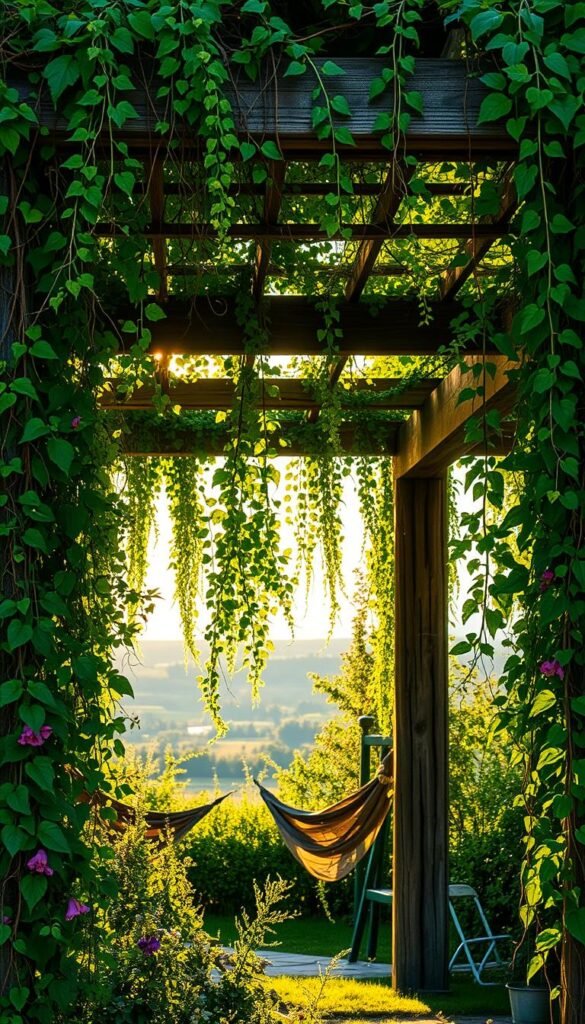
Turn your garden into a living canopy by pairing structures with the right greenery. Vines transform bare beams and lattices into lush retreats, boosting shade while adding texture and fragrance.
Choosing Climbing Plants that Thrive on Your Structure
Fast-growing options like hops or passionflower create quick coverage, while slower-blooming roses offer timeless charm. Match species to your climate—clematis thrives in cooler zones, while jasmine loves humid areas. One gardener shared, “My wisteria-covered arbor became a butterfly magnet within two seasons!”
Consider weight limits. Grapevines and mature honeysuckle add 50+ pounds to structures. Reinforce posts or choose lightweight vinyl for container gardening setups.
Techniques for Maximizing Natural Shade and Aesthetic Value
Train vines horizontally along crossbeams using soft plant ties. This spreads leaves evenly for consistent coverage. Prune strategically—trimming excess growth prevents overcrowding and directs energy toward dense foliage.
Mix flowering and edible varieties. Pair fragrant star jasmine with kiwi vines for visual contrast and snacks. Remember: fuller coverage means cooler spaces. A well-maintained canopy blocks 70% more sunlight than empty lattices.
Choosing the Right Materials and Customizations for Your Structure
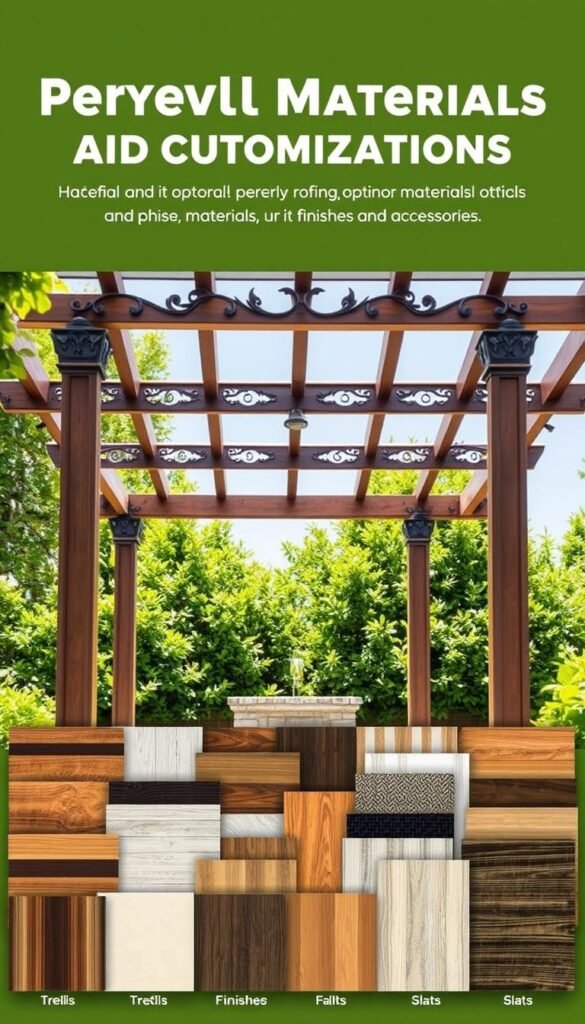
Material choices shape both form and function in your outdoor retreat. Your pergola or arbor becomes an extension of your personality through smart selections and creative flourishes.
Balancing Beauty and Practicality
Wood delivers rustic charm but asks for yearly sealing. Cedar and redwood resist rot naturally, while pressure-treated pine costs less. Metal structures withstand heavy winds but need rust checks near oceans.
| Material | Benefits | Considerations |
|---|---|---|
| Wood | Natural look, customizable stains | Annual maintenance required |
| Metal | Decades of durability | Potential rust spots |
| Vinyl | Zero painting, easy cleaning | Limited color options |
| Composite | Wood texture + weather resistance | Higher upfront cost |
Infusing Character into Your Design
Paint beams navy blue for coastal vibes or add lattice panels for climbing roses. “Clients love mixing copper post caps with Edison bulbs—it creates instant twilight magic,” notes a Colorado landscaper.
Consider these upgrades:
- Retractable shades for adjustable sun control
- Built-in benches with weatherproof cushions
- Decorative corbels supporting overhead beams
Your arbor gains personality with arched entryways or hanging flower baskets. For pergolas, try removable curtains that dance in the breeze. Every choice reflects your taste while boosting backyard enjoyment.
Installation Insights and Maintenance Best Practices
Building your dream outdoor retreat requires smart preparation and care. Proper setup ensures your pergola or arbor withstands seasons while staying visually striking. Let’s break down the essentials for lasting enjoyment.
Tools, Techniques, and Safety Tips for Installation
Start with precise measurements using a tape measure and level. You’ll need power tools like a cordless drill and circular saw for cutting beams. One landscaper advises: “Double-check post hole depths—frost heave ruins more projects than storms.”
Dig post holes 12 inches below your area’s frost line. This prevents shifting during freeze-thaw cycles. Mix concrete for stable footings, using a trowel to smooth the base. Always call 811 before digging to avoid hitting underground utilities.
Choose DIY for cost savings or hire pros for complex designs. Prefab kits simplify assembly, while custom structures often need expert hands. Wear gloves and safety glasses when handling materials—treated wood splinters and metal edges can surprise you.
Maintenance keeps your space looking fresh. Pressure wash vinyl yearly and inspect wooden beams for cracks. Stain or paint every 3-5 years to combat sun damage. Quick fixes today prevent costly repairs tomorrow.
Your Outdoor Oasis Awaits
Your dream retreat starts with one bold choice. Pergolas and arbors transform bland outdoor spaces into inviting living areas where memories unfold. Imagine sipping lemonade in a shaded sanctuary while climbing roses scent the air—this could be your new reality.
These structures do more than beautify. They add tangible value to your property while carving out functional spots for dining or relaxing. A well-placed arbor guides guests through fragrant garden paths, while pergolas create open-air rooms that extend your home’s footprint.
Personalization makes the magic happen. Choose materials that weather your climate gracefully, then add curtains or vibrant vines. Your yard becomes uniquely yours—a space where summer afternoons feel cooler and twilight lasts longer.
Ready to reclaim your backyard? Whether you crave a cozy reading nook or an entertainment hub, the perfect outdoor oasis stands within reach. All it takes is vision and the right structure to frame it.