What if your yard could tell a story that changes with nature’s calendar? Thoughtfully planned plant arrangements do more than add color – they craft living art that evolves across seasons. Professional landscaper Melissa Dorsey notes: “The magic happens when someone truly understands how plants interact through spring blooms, summer textures, and autumn hues.”
This approach transforms static landscapes into engaging environments. You’ll discover how strategic color rotations maintain visual excitement from January frosts to December evergreens. It’s not about constant replanting, but smart combinations that play off your existing garden elements.
Great displays balance temporary flair with permanent structure. They create focal points where needed most, like brightening shady corners in spring or adding winter berry bursts. These techniques don’t just impress neighbors – studies show well-designed spaces can boost property appeal by up to 20%.
We’ll walk through professional methods for planning sequences that flow naturally. You’ll learn to coordinate bloom times, foliage changes, and decorative accents. The secret lies in working with nature’s rhythm, not against it – ensuring your landscape always feels intentional, never chaotic.
Understanding the Basics of Seasonal Garden Design
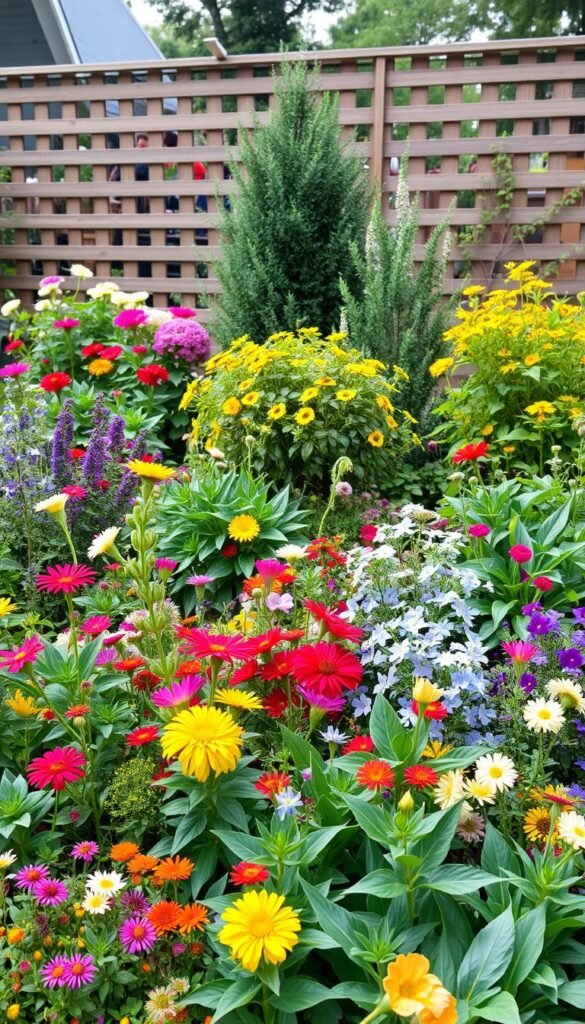
Imagine stepping outside each month to find your outdoor space transformed by nature’s own brushstrokes. A living framework combines permanent anchors like shrubs with rotating stars like flowering perennials. This approach keeps your yard looking fresh while maintaining its core structure.
What Makes a Space Thrive Across 12 Months
Successful designs work like a well-choreographed dance. Evergreen plants provide steady rhythm, while seasonal blooms add flair. Landscape architect Rachel Carson explains: “The magic lies in pairing plants that take turns shining – spring bulbs peek through groundcovers, summer lilies tower over hostas, and autumn grasses wave beneath maple canopies.”
Essential Components for Continuous Beauty
Three elements form the backbone of great displays: layered planting, smart color transitions, and climate-smart choices. Start by mapping bloom cycles – early crocuses give way to peonies, then chrysanthemums. Incorporate creative gardening ideas like movable containers that let you shift accents with the weather.
Texture plays a starring role too. Pair feathery grasses with broad-leaf plants for visual contrast that lasts through frost. Remember, your local soil and sunlight determine what thrives – native species often outperform exotic picks.
Creative Planning for a Year-Round Outdoor Appeal
Think of your garden as a stage where each season gets its spotlight. Smart zoning turns your landscape into a living calendar, with different areas shining at specific times. This approach lets you maximize visual interest while working with nature’s schedule.
Identifying Garden Zones for Each Season
Start by mapping sunlight patterns and soil types. Sunny spots become summer stages for heat-loving plants, while shaded zones host spring bulbs and fall foliage. Professional designer Lauren Berenato suggests: “Label areas like ‘spring awakening corner’ or ‘winter berry walk’ to guide planting choices.”
This table shows ideal plants for different zones:
| Zone Type | Seasonal Stars | Supporting Plants |
|---|---|---|
| Sun-drenched | Summer lilies | Lavender, sedum |
| Partial shade | Spring azaleas | Hostas, ferns |
| Sheltered | Winter camellias | Boxwood, holly |
Incorporating Structural and Hardscaping Elements
Permanent features like stone paths or arbors create backbone. They frame seasonal displays while providing climbing support for clematis or cold-hardy plants. A well-placed bench can become a winter focal point when surrounded by evergreen shrubs.
Combine materials wisely:
- Weather-resistant cedar for raised beds
- Permeable gravel paths that prevent erosion
- Decorative screens that block wind
These elements work double duty – beautiful year-round while enhancing plant health. They help create microclimates where delicate species thrive longer through the year.
Using Seasonal Displays to Create Dynamic Garden Designs
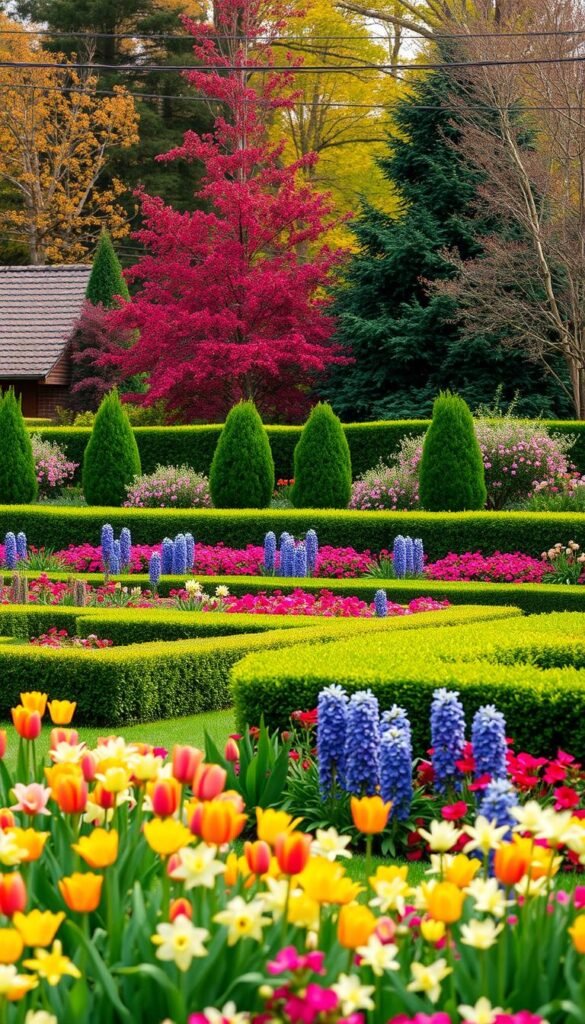
Imagine plants working together like a well-trained orchestra through the year. Brittney Oden, a pro landscaper, shares her secret: “Build your landscape around tough performers that handle weather swings.” Her go-to picks? Coleus and petunias for summer firework color, paired with purple fountain grass that thrives from spring through fall.
Layering creates depth that looks good in every phase. Try tall grasses behind mid-height pentas, with sweet alyssum spilling over edges. This combo works in beds or colorful containers that let you move the show where needed.
Fall and winter get their moment too. Ornamental kale adds ruffled texture after summer blooms fade. These cold-loving plants pair beautifully with evergreen shrubs that anchor your landscape during bare months.
Timing matters most. Start autumn transitions 6 weeks before frost. For spring displays, plant bulbs behind late-winter pansies. This staggered approach keeps color flowing smoothly between seasons.
Remember: your space doesn’t need constant makeovers. Focus on 3-4 key areas that change dramatically. Rotate showstoppers while keeping 60% of your plants as year-round supporters. This balance creates wow moments without overwhelming your schedule.
Selecting the Right Plants and Features for Every Season
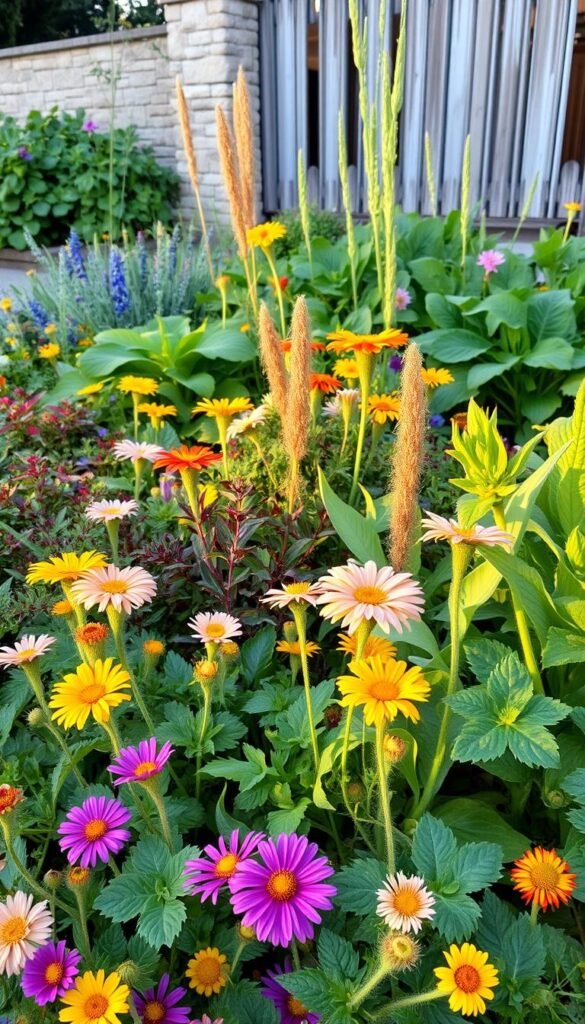
Building a year-round garden works like solving a nature puzzle where each piece shines at different times. You’ll want plants that swap starring roles while supporting cast members keep the show running. Start by choosing varieties that bring multiple talents – spring flowers, summer textures, and autumn colors.
Choosing Perennials, Annuals, and Native Plants
Smart selections balance quick-impact annuals with reliable perennials. Zinnias and marigolds deliver instant summer color, while peonies and hostas build lasting structure. Horticulturist Tara Mitchell advises: “Mix 30% annuals with 70% perennials for low-maintenance drama that evolves naturally.”
Native plants like coneflowers and black-eyed Susans offer secret perks. They attract pollinators, resist local pests, and need less watering. This table shows top picks for continuous interest:
| Season | Plant Examples | Key Features |
|---|---|---|
| Spring | Daffodils, Lilacs | Early blooms, fragrance |
| Summer | Daylilies, Hydrangeas | Long-lasting flowers |
| Fall | Maples, Asters | Fiery foliage, late blooms |
| Winter | Hollies, Hellebores | Evergreen leaves, berries |
Integrating Plants with Varying Bloom Times and Foliage
Layer your selections like nature’s calendar. Plant tulip bulbs behind autumn-planted pansies for seamless spring transitions. Pair summer-blooming roses with ornamental grasses that peak in fall. This staggered approach keeps your space elevating through temperature swings.
Don’t forget winter warriors. Evergreen trees like spruce provide structure, while red-twig dogwoods add crimson branches against snow. Mix textures – feathery grasses beside glossy magnolia leaves create visual sparks even in cold months.
Integrating Evergreens, Perennials, and Ornamental Elements
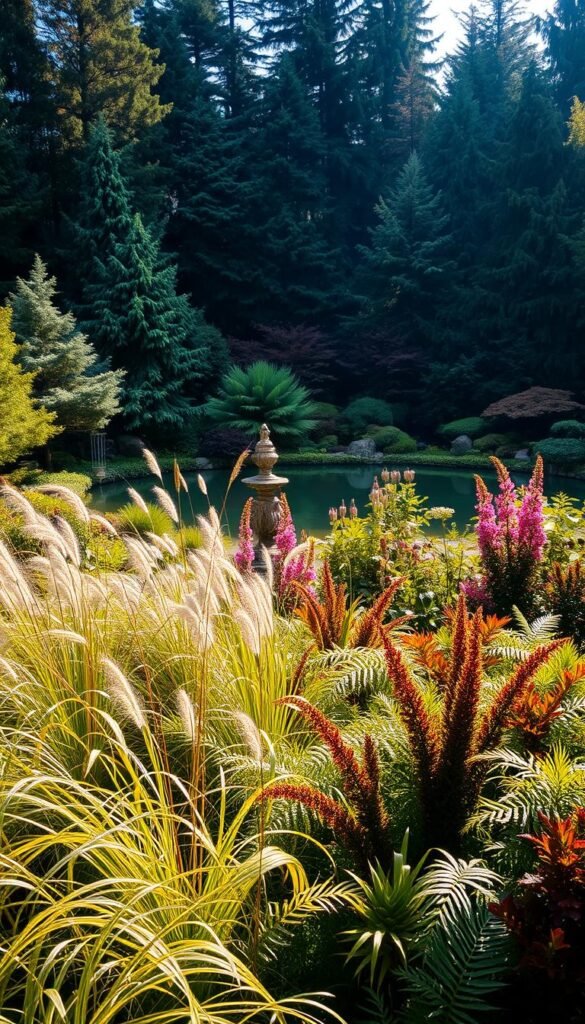
Picture your garden as a layered masterpiece where textures and colors shift like puzzle pieces through the year. The secret? Combining steadfast evergreens with flowering perennials and decorative accents. This trio creates harmony between permanent structure and seasonal surprises.
Nature’s Backbone: Evergreen Anchors
Boxwood and juniper work like green glue holding your design together. Their dense foliage provides winter interest when other plants sleep. Landscape designer Marcus Flynn advises: “Place these near entryways or pathways where their year-round presence matters most.”
Texture Play With Grasses and Shrubs
Feather reed grass adds motion, while purple smoke bush offers drama. These ornamental grasses and shrubs create visual friction that catches light differently each season. Try pairing blue fescue with red-twig dogwood for cold-weather contrast.
Local Heroes: Native Plant Power
Switchgrass and coneflowers thrive without fuss because they’re homegrown stars. Native plants attract butterflies and survive droughts better than exotic imports. They bloom when local pollinators need food most, creating a self-sustaining cycle.
Here’s a winning combination: Plant inkberry holly as evergreen foundation. Add black-eyed Susans for summer blooms, then layer in little bluestem grass for autumn fireworks. This mix delivers four-season appeal with minimal watering.
Designing Flexible Garden Layouts for Dynamic Displays
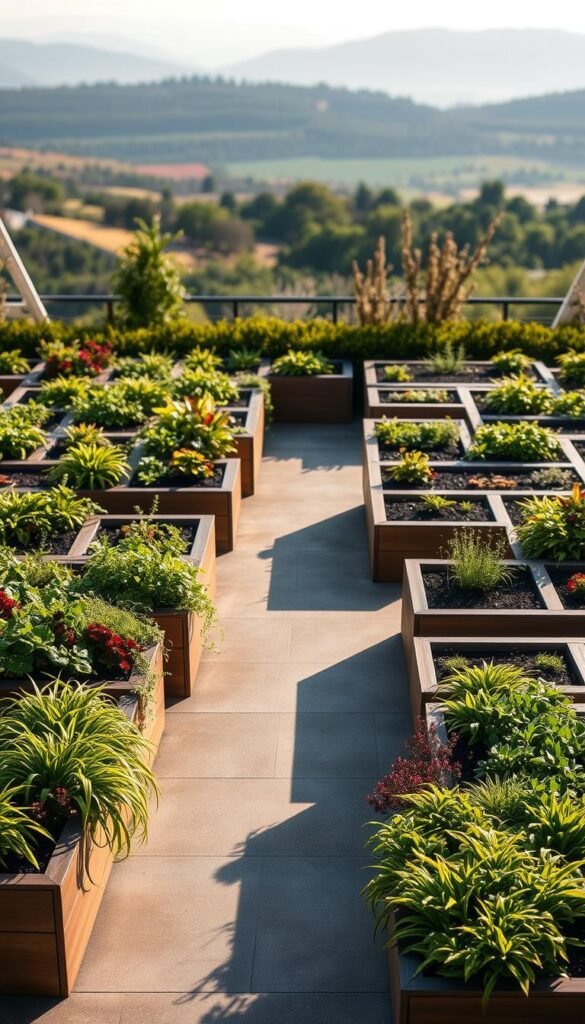
What if your garden could shift as easily as the weather? Smart layouts turn your landscape into a living puzzle where pieces rearrange with the seasons. Raised beds and mobile containers let you swap plants like seasonal actors on a permanent stage.
Creating Modular Planting Beds and Movable Containers
Raised beds work like building blocks for your space. They warm faster in spring, letting you plant cool-weather crops weeks earlier. Landscape pro Tara Mitchell notes: “Elevated beds give roots better drainage while keeping your back happy during maintenance.”
Try these flexible setups:
| Bed Type | Key Features | Seasonal Benefits |
|---|---|---|
| Modular Wood | Easy to expand/rearrange | Supports crop rotation |
| Wheeled Planters | 360-degree mobility | Chase sunlight shifts |
| Stackable Crates | Vertical growing space | Protects tender plants |
Group containers into seasonal clusters near seating areas or entryways. Rotate showstoppers to prime spots using dollies – petunias bask in summer sun, then kale takes center stage in fall. This approach keeps your seasonal care strategies simple while maximizing visual impact.
Pathways become secret weapons in flexible designs. Gravel walkways allow easy access for swapping plants, while curved routes create discovery moments. Leave 18″ between beds for comfortable kneeling – your future self will thank you during bulb-planting season.
Incorporating Water Features and Vertical Systems
What if your outdoor space could evolve effortlessly with each passing month? Strategic water installations and vertical plant systems bring fresh dimensions to your landscape while adapting to seasonal shifts. These elements work like nature’s chameleons – transforming their purpose and appearance as temperatures change.
Designing Dual-Purpose Water Elements
A shallow stone basin becomes summer’s cooling station for birds, then winter’s sculptural ice feature. For rooftop spaces, modular fountains offer soothing sounds in warm months and frost-kissed textures when cold. Pair these with moisture-loving plants like papyrus that thrive near water’s edge through three seasons.
Maximizing Vertical Growing Systems
Trellises aren’t just for vines – they become living art frames when hung with seasonal bloomers. Try rotating panels of spring peas, summer nasturtiums, and fall ivy. For compact areas, wall-mounted planters let you grow herbs vertically while freeing up ground space – perfect for urban balconies.
These smart features create visual drama while solving practical needs. A bubbling fountain cools summer air, while its surrounding evergreens maintain winter structure. Vertical systems let you experiment with new plants without overhauling your entire landscape – nature’s ultimate win-win.